
A guest house, regularly referred to as an ADU (accessory dwelling unit), is a secondary housing unit on a single-family residential lot. Generally, a guest house is completely detached from the main house, although that is not always the case. In the last decade, building guest houses or granny flats on a property has become a more common trend in the country. What with seemingly ever-rising housing and rental rates, many have found it convenient to create a space on their property for their elderly parents, children out of college, visiting friends, or as a rental unit.
In January of 2016, California enacted granny flat laws that were intended to make it simpler and more cost effective to build a guest house on their land or to convert an illegal additional dwelling unit into a one that is now legal. The three bills were:
- Senate Bill 1069 which decreases or eliminates parking requirements and utility hook-up fees, and quickens the approval process for second units attached to a primary residence.
- Assembly Bill 2299 requires local second-unit ordinances to include ministerial, non-discretionary approval for any second unit that meets city requirements.
- Assembly Bill 2406 streamlines the process for homeowners converting an existing bedroom into an attached studio living unit.
Homeowners will still need to hire a contractor and obey local building codes, but these new regulations make it better for those who wish to build a guest house no bigger than 1,200 square feet. Although building a new detached guest house can be quite an expensive undertaking, there also may be opportunities to save money by converting a pre-existing structure into a legal permitted guesthouse at a much lower cost than an entirely new dwelling. Regardless, if you are looking to add a guest house to your backyard, you should know the types of ADU’s, the guest house costs to build, and the benefits of building a guest house.
Types of Guest Houses
If you are wondering how much it costs to build a guest house, much of that will have to do with the structure you chose. Although one might typically think of a guest house as an entirely separate unit, there are a variety of additional dwelling unit designs and concepts, depending on your property, budget, and existing home. It is important to note that the secondary housing unit is what really defines a guest house, at least more so than its specific structure. That said, some features that help define guesthouses are:
- Guest houses are add-ons and or adjacent to the central housing unit.
- Guest houses are considerably smaller in size than the average home in the states. As mentioned, in California they may be no bigger than 1200 square feet.
- Guest houses are generally developed at a later point than the original construction of the primary residence
Types of guesthouses include:

- Detached new construction guest houses – Often referred to as granny flats, casitas, backyard cottages or laneway houses. Detached guest houses are the most common type of ADU. They are stand-alone structures that, as their name implies, are entirely apart from the primary residence. They can be constructed over an existing building, like a detached garage, or built separately. The cost of building a granny flat or guest house is typically more expensive than other builds since you are going from scratch and not utilizing any pre-existing structures.
- Garage conversion guest houses – Some homeowners decide that they do not utilize their garage space enough, or just fill it with junk. In such cases, the garage area may be remodeled into a new attached guesthouse.
- Above garage or workshop guest houses – Sometimes referred to as carriage houses or garage apartments, these guesthouses are commonly built above a detached garage although in some cases it may be attached to the primary residence.
- Bump out guest houses – Some homeowners find it more convenient to add additional space to their already existing home. This add-on or bump-out will often still have its own private entryway and kitchen or kitchenette.
- Modular guest houses – With modular guest homes, the vast majority of the construction occurs in a factory, and only the finishing work and foundation work is done on site. These types of guest houses are popular since they are far less expensive and take less time to install. Typically, the average modular guest house that is approximately 1,200 square feet would cost $65,000 to build and install.
What Size Guest House Should You Build?
When estimating the likely average cost of your guest house, it is important to remember that they are more expensive per square foot than building a primary residence. This is because a much more significant percentage of the house’s blueprint is meant for features that cost more, like a kitchen or a bathroom. One also has to figure in the average cost of permits, fees, utility hookup, hardscaping, and landscaping. In California, where building is expensive, the cost of a guest house build can be anywhere from $200 to $500 per square foot in addition to all those fees mentioned above. Therefore, a 1,200 square foot guest house that costs $200 per square foot would end up being north of a quarter million dollars. Even if this is within your budget range, you also need to consider that a 1,200 square foot guest house may be too large for your property and might dominate the extra space. If you do not have a big backyard, you have to weigh how much of that space you are willing to sacrifice for this new guesthouse.
Before you ever break ground, you should have a good idea of what the purpose of the guest house is for, and who is planning on using it. If it is for older in-laws, you may need features that accommodate elderly with disabilities such as ramps, wide doors, or special bathrooms. If it is a rental, it should have all the features and amenities of a house, but just on a smaller scale. If it is for personal use and occasionally for guests, then that guesthouse likely does not need its own kitchen. By having a solid grasp of your intentions behind building the guest house, it is easier to decide what features you want to be installed and how large you want to make it.
The Benefits of Building a Guest House
When weighing the potential costs of building a guest house, it is crucial to keep in mind the potential benefits that might outweigh the costs of construction. They include:
- Additional space – The most obvious benefit of adding a guest house is the fact that you have extra space for either family members, in-laws, guests, renters, or yourself. For those who will only occasionally use it for housing, a guest house is a perfect space to utilize as an office, music studio, or an adult clubhouse.
- Additional income – If you decide to use this space as a rental, a guest house can generate extra income for your household. The great thing about the guest house is that most of the cost is upfront. Once it is built, the additional $10,000-$30,000 of annual rent money comes to you without much effort or cost at all. This piece of space that was previously just sitting there can now be used to help you increase your wealth.
- Hardscaping and landscaping upgrades – Often times, it takes a large project such as constructing a guesthouse to get around to addressing your out-of-date hardscape or landscape. Maybe you want to remove your lawn because of the cost of upkeep, or you want to fix your driveway that is cracked. A guest house gives you the opportunity to make alterations to the exterior of your property that you otherwise would not address.
- Future non-rental use – There may reach a point when you no longer need all the space of your current residence. The kids are grown up and out of the house, so now you are not utilizing your home as it is meant to be used. A future option might be to use the guest house as a retirement spot, while you rent out the primary residence to a family that can use the space. You still get to remain on your property but make even more money than you would by renting the guest house.
- An introduction to being a landlord – For those who are interested in possibly investing in real estate, a guest house provides a much lower cost opportunity to see if you have the disposition to be a landlord.
- Increases the value of your property – Like a new paint job or a remodel, a guest house home improvement project naturally increases the value of your home. Although it does not count towards the total square footage of the primary residence, a guest house is a great incentive for someone looking to rent or to have a separate space for adult children or in-laws.
- Comfortability – When hosting visitors, a guest house gives them a space that is private and allows them to feel more like they are at home. While it is lovely to have friends and family, especially for any time longer than a few days, you want your space and privacy, and they likely desire their own privacy as well. A guest house allows you to host without feeling overwhelmed or crowded in your home.
- Privacy – Guest houses can be fantastic spaces for your kids to play or spend time in when you feel like you need time alone. It also offers a safe haven, if you need some time to yourself and want to get out of your house.
What you need to know before building your Guesthouse
Before you break ground, consider the following questions to save you from paying more in the future for changes, remodels, or fixes.
- Would I live in it? This is the very first question you should ask yourself when designing your guest house. It should be an extension of your house’s feel and design, even if it is not physically attached to the house. You should build a guest house that you would want to stay in and make it a space that you would like to utilize.
- How is the lighting? It is all too easy to forget about the lighting of a space, until it is too late, but it is such an essential factor to consider. If your main house is on a different part of your land, it may receive more or less natural light. If it has less, you may need larger windows, skylights, or additional lighting to prevent the guest house from feeling like a dungeon.
- Is the floorplan intuitive? Even though the space is tiny, there should be a natural flow and logic to the design of a guesthouse. If there is a kitchen area, it should be easily accessible and have plenty of room to navigate as well as ventilation or windows nearby for smoke or the inevitable smells of cooking. Because a guest house’s space is so tiny, there must be storage spaces in creative or unique places.
- Have you handled all the necessary paperwork? – A mistake that property owners all too often make is to begin planning the guesthouse with an architect without first meeting with a real estate attorney and getting approval from either the city planner or the homeowner’s association. If you act without making sure all your permits and paperwork is accepted, you may have to destroy any work that is done prior to approval. As you might imagine, acting before you have the green light could exponentially increase the costs of building your guest house.
Conclusion
Building a guest house can be an expensive undertaking, but one that is well worth it in the long run. Such an investment can provide you with extra space, a source of income, and increase the value of your home. Be sure to plan thoroughly and know exactly what you want so that the cost of building a guest house, tiny home, in-law suite, or backyard cottage fits your budget.

Latest Posts
Walk-In Showers vs. Bathtubs: What’s Best for Your Home?
Top 5 Accessory Dwelling Unit Builders in San Diego
Top 5 Kitchen & Bathroom Remodelers in San Diego
Get your in-home free estimate today!
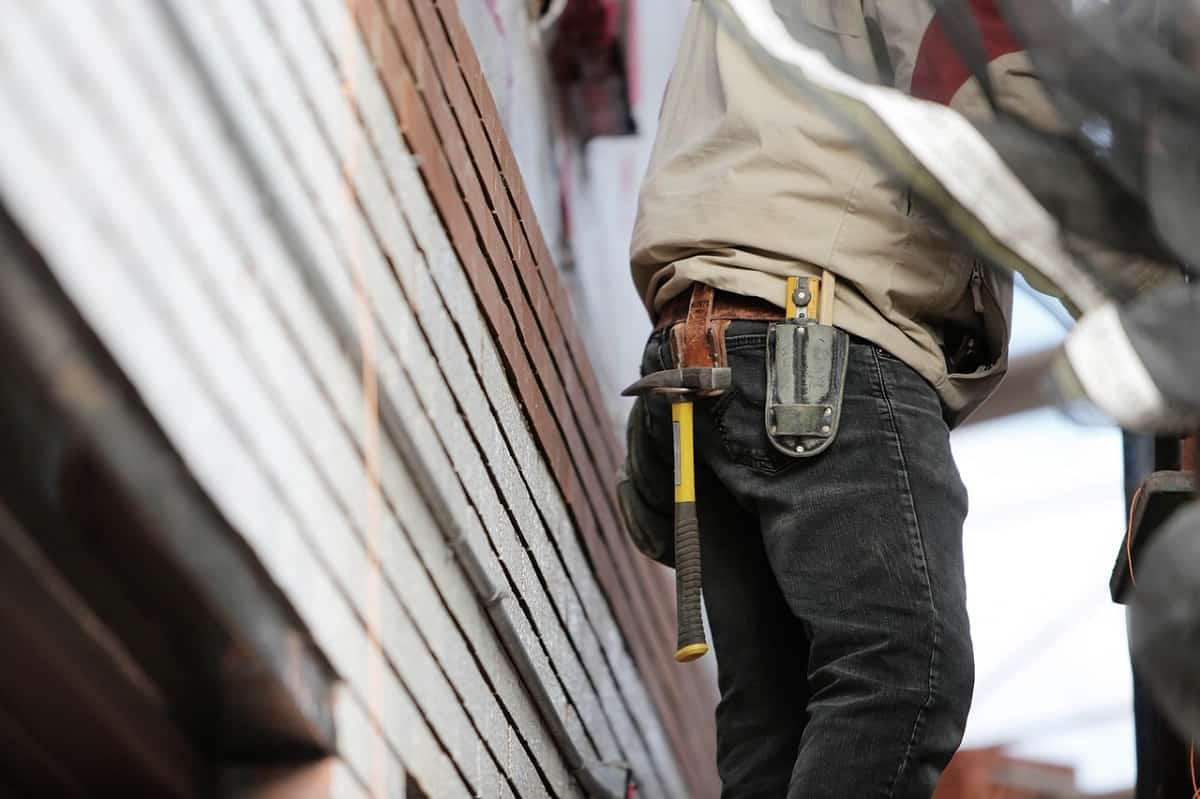
When it comes to home improvement projects, you may be interested in the “DIY” route and make the repairs yourself, but what if you don’t have the appropriate skills or trust yourself enough to learn from a YouTube tutorial? In these cases, you’ll have to hire a contractor.
The first thing you’ll need to do is to conduct research to find a contractor that specializes in your area of need, whether that be a kitchen remodel, bathroom remodel, replacing windows, etc. From there, you’ll look at their portfolio of work, read reviews, and of course, check their pricing.
But there’s one important part of the evaluation process that you might be leaving out — whether or not they have a license. It can be easy to hire an unlicensed contractor by accident, or even purposely because you couldn’t pass up on their (typically much lower) proposed rate, however, this could put you in a dangerous situation. You, the homeowner, can be held liable in certain situations and be on the hook for some potentially expensive damages.
In this post, we’re going to discuss the importance of hiring a licensed contractor vs. an unlicensed contractor and potential risks involved in hiring unlicensed contractors.
Why Would You Hire an Unlicensed Contractor?
It’s expensive to maintain a home, and those needed repairs and updates can really add up over time. That’s why the price will always be one of the main deciding factors when it comes to choosing who will complete the work on your project. Your goal will be to find the best mix of price and proven success rate in your contractor.
The biggest draw for using an unlicensed contractor is the fact that they are usually able to offer a much lower price. Since you may have a tight budget for your home improvement project, this can often be a powerful draw indeed, as an unlicensed contractor will sometimes be able to significantly outbid the competition.
Other times, you may hire an unlicensed contractor not just because they are cheaper, but because they are someone you know, such as a family member, neighbor, or friend. Often, unlicensed contractors gain work through referrals from the same groups of people as well.
However, regardless of how you find an unlicensed contractor or your motivation behind hiring one, you should know that the reason they can quote the work at such a low rate is because of all the corners they have to cut to operate without a license. Like with most things in life: If it seems too good to be true, it probably is.
But the temptation of the potential savings is a common trap that people fall into. The unlicensed contractor offers their much-lower quote while promising to give you the same results as their licensed competition. And then they end up getting hired.
Things may start off smoothly and all of the work appears to be just as you pictured. But then something goes wrong. Then something else happens.
This is where using an unlicensed contractor may come back to bite you in the end — because if and when things do go wrong, you could be held liable in certain situations. This will end up costing you much more in the long run, eliminating those savings you were hoping to gain by going with the unlicensed contractor. And it’s because those corners unlicensed contractors cut are actually important in the construction process, no matter what they might try to tell you.
How Can Unlicensed Contractors Offer Lower Prices?
There are a few different reasons as to why unlicensed contractors are able to outbid licensed contractors.
The first is that it is actually a rather expensive investment for a contractor to get their license to operate. Once they go through the initial licensing procedure, they will also have to maintain their license and pay annual fees to their licensing board throughout the year. This, of course, cuts greatly into their profit margin.
Since unlicensed contractors do not have to pay these fees, they are able to offer you a lower bid, as they do not have to factor in these overhead costs. Unlicensed contractors also will not obtain a bond that protects their work, which we will get further into later on.
Finally, and perhaps most importantly, unlicensed contractors will not have liability insurance or worker’s compensation. These are additional overhead costs that a contractor without a license will not be able to attain, so they simply move forward and do the work without these measures of coverage. However, if your contractor does not have liability insurance or workers’ compensation, the liability to fix any shoddy workmanship, or for any incidents on the job will fall on you, the property owner.
This is one of the biggest risks you will take on should you choose to hire an unlicensed contractor.
Risks of Hiring Unlicensed Contractors
There are several risks involved when using unlicensed contractors, starting with the fact that working on large projects without a license is illegal in many states, including California. However, for the property owner, the financial liability risks are of much greater concern, as they could be incredibly costly.
This is especially true if a worker is injured on the job and your unlicensed contractor is without workers compensation.
Homeowners Can Be Held Liable for Injuries Sustained on the Job
The biggest risk involved in hiring unlicensed contractors comes down to liability.
When you hire an unlicensed contractor, they actually are not a contractor at all — they are your employee. Therefore, it is actually your responsibility to provide them with a safe workplace and cover them should they be injured.
An unlicensed contractor can sue you for damage if they sustain an injury while working on your project and you could be on the hook for expensive medical bills, legal fees, and also have to pay for their lost wages for as long as their injury holds them out of work. These financial damages can amount to thousands of dollars, far more than the initial savings you thought you were getting by using an unlicensed contractor.
When you hire a licensed contractor, they will have workers’ compensation for themselves as well as any employees they hire to assist with the job. If your contractor is unlicensed, he or she and anyone else that is brought on to work on your remodel are all considered to be your employees. This makes them all your responsibility to insure.
It actually doesn’t even matter if you knew that the contractor was licensed or not when you hire them, as many homeowners are in the dark about the consequences of hiring an unlicensed contractor. You, the homeowners, and employer, carry the burden of determining whether a worker is licensed. This means you could be held liable whether you knew they were licensed or not.
Many assume their homeowner’s insurance policy will cover them in an instance where an unlicensed contractor is injured on the job, however, this usually isn’t the case. Your homeowner’s insurance will not cover you in these cases, leaving you vulnerable to have to pay out of pocket. However, if you have a licensed contractor and one of their subcontractors are injured on the job, you will be protected by the contractor’s worker’s compensation insurance should that worker try to sue for damages.
The best thing to do to protect yourself against this potentially financially crippling situation is to hire a contractor who holds the appropriate license to do the work you need to be performed. This way you will not unwittingly become an employer and the target of a costly personal injury lawsuit.
Homeowners May Have to Pay for Additional Repairs
Beyond assuming the responsibility for injured workers, you also need to be wary of shoddy workmanship.
While there is no guarantee that a licensed contractor’s work will be any better than that of an unlicensed contractor, their work will at least be protected by liability insurance and legally enforceable contracts called bonds.
A bond will protect the homeowner should there be any damages caused to your home during the remodel, Contractor license bonds will state that your contractor will work within certain regulations and protect you against the risk of financial loss.
The bond and the licensed contractor’s liability insurance both exist to cover you in the instance that the work done is unsatisfactory. You can have language that requires the contractor to fix any mistakes in construction, or at the very least get financially reimbursed so you don’t have to pay someone else to come and handle repairs.
However, an unlicensed contractor is bound by no such agreement. If their work is unsatisfactory, they are bound by nothing to fix their mistakes, and you may have to pay someone else to come and make the necessary repairs. These repairs may be more expensive than hiring the licensed contractor in the first place.
Using Unlicensed Contractors Could Hurt Your Property Value
You read that correctly — using an unlicensed contractor can actually hurt your home’s property value. How?
Well, remember how the unlicensed contractor has to cut corners in order to complete your project? This includes acquiring the proper building permit for the job.
Certain home renovation projects require a building permit from the city, county, or state. Licensed contractors will always attain them, however, unlicensed contractors cannot, and so they skip this step and do not apply for them. Since the proper permits were not acquired, it can impact your overall property value.
This can become an issue when you decide to sell your home, as you will be required to disclose certain information to your buyers. Failing to disclose this information could actually come back on you and become your liability later on, so making sure you have the right permits, and that work is done up to code, will be of vital importance for any home improvement project.
You Could Even Be Held Liable for Damage to Third Parties
Not only do you need to worry about the safety of your unlicensed contractors and subcontractors, but also that of a third party. This can be a neighbor or anyone who happens to pass by your work site. Should they sustain an injury due to a sloppy work site or falling debris, this is another area for which you could be held liable.
Your unlicensed contractor’s negligence is your responsibility as well, and as their employer, you are responsible for their actions during their tenure as your employee(s). If you don’t see yourself cleaning up your contractor’s worksite so you won’t get sued by a neighbor after their child steps on a nail, you may want to protect yourself and hire a licensed contractor.
Conclusion – Hire a Licensed Contractor
To avoid being held liable for the hefty costs of medical bills and lost wages as a result of an injury sustained working on your home renovation, avoid hiring an unlicensed contractor. They’ll surely tell you that the risk of something going wrong is very low, but should something bad happen or if they do shoddy work, paying for these damages will be well beyond the potential savings of hiring them in the first place.
Always hire a licensed contractor who has workers compensation and liability insurance. The licensed contractor will acquire any necessary permits and will always make sure that their work is up to code. This is the best way to ensure that your project is done correctly and that you will not be held responsible should anything go wrong.
Latest Posts
Walk-In Showers vs. Bathtubs: What’s Best for Your Home?
Top 5 Accessory Dwelling Unit Builders in San Diego
Top 5 Kitchen & Bathroom Remodelers in San Diego
Get your in-home free estimate today!

At first thought, the guest house serves one purpose; to comfortably and efficiently house any guests visiting the property. Often adjacent to the main property, the guest house is a structure built specifically to feel just-isolated-enough that the guest(s) is part of the home but disconnected in a way that they’ll experience ample privacy. Typically, a guest house will have, if not most, all the functionality of an actual home; running water, electricity, bathroom, living room, bedroom, and a kitchen. An accessory could be a washer and dryer machine, although many guest houses include these as well.
Yet, beyond being a structure designed for visitors, guest houses or granny flats are the perfect home improvements that add major value. For one, if designed correctly (we’ll go into this), a guest house can add value to your home. It should be commonsensical that the same sized home with a guest house would be more valuable than one without. Still, homeowners don’t tend to regard guest houses in this light, as it can be hard to view them as an investment on the property in its entirety.
Further, a guest house can optimize the aesthetic of a property by filling space otherwise empty, complimenting the original architecture, and creating more room for the everyday needs of the homeowner. If you’re currently on this page because you’re considering building a guest house, then rest assured that you are in good hands. As with any home design, building a guest house takes careful consideration, a thorough understanding of the proper guest house layout design, and patience.
Simplicity & Minimalism
Before we continue, it is paramount that we speak on simplicity and minimalism. When it comes to guest house plan designs, the rule of thumb is that—despite the bells and whistles or scope of the design—it is best to keep the layout simple and minimal. This is a structure that will serve as a temporary home, like a hotel, for your guests.
The space should be open, full of light, and unspecific. You want the house to have just enough style where a guest would be comfortable hosting their own visitors but not so much that they feel out of place. Every room should be easily accessible, with the least amount of clutter possible (you want your guests to envision themselves in the space rather than staying in someone else’s). The kitchen should be open and functional, the bathroom separate enough from the rooms, and the front door positioned to retain privacy but allot accessibility.
We’re not trying to go into specifics just yet but remember, as you begin to think through your guest house building plans, simplicity should be at the heart of every decision made.
Things to Consider
Before deciding on a guest house layout, it’s important to answer a host of questions that could dictate the way in which you decide to construct the property. These questions will help shape your idea of the home both creatively and functionally.
Location
First and foremost, you’re going to want to place your guest house somewhere that offers privacy without sacrificing accessibility. This may take hiring a surveyor or seeking professional advice from a home designer. The point here is to position the property in a way that it still feels ‘part’ of the main house, yet secluded enough that a guest can comfortably live in their own world.
Dependent on the most optimal location on your property, this can dramatically affect the layout of your guest house. Say, for instance, the most optimal location happens to be the area with the least space, then that one story guest house layout may just add a second tier.
How Can it Help the Property?
A common mistake with guest houses is building it specifically for visitors. Sure, the guest house—by its very name—is a part of the property meant for your guests. As we stated before, however, it can become an incredibly valuable asset to your original property, further increasing the value. More livable space is important. It’s also coveted.
Furthermore, how can this structure assist your needs as a homeowner during downtime? We mean to say, when there’s no one staying in it, what’s it doing for you? Plenty of homeowners will decide to add storage space to their guest house, space not meant for the visitors themselves, and they’ll utilize the new addition by filling it with stuff that clutters their own home.
They can also be a fantastic tool for renovation. What happens when a house is renovated? The tenants or homeowners must leave the property and stay elsewhere. With a guest house, say goodbye to squatting at the parent’s or paying for a hotel, as the home can be used a temporary stay while the main house is renovated.
These are only a couple facets of a guest house’s attributes (additional rental income, anyone?) but are worth considering before tackling design. The best guest house will complement both the homeowner and the visitor.
The Guest House needs to be Autonomous
The place in which you’ve chosen to build your guest house, has there been anything built there previously? Is there piping (both gas and water)? How hard will it be to run electricity to the property? Depending on the budget you have for your guest house, choosing the most optimal area to build the property atop is also advised.
Given it is not in a location that renders the functionality and accessibility of the property inefficient, then why build over a piece of land where conduits will need to be dug, landscaping will eat through your wallet, and all new piping will have to be run? This, of course, is dependent on the budget you have set for your guest house but thinking through options that will dramatically cut costs can greatly affect the layout of your new tiny house.
Floor Plan for a Guest House
When it comes to addressing the ‘best’ floor plan for a guest house, we won’t be able to advise you accurately. This, of course, is due to the nature of home design and how it’s always specific to the homeowner and property. A two-story guest house may be perfect for a certain property but not for another. It also may fit well within one budget while destroying another.
Thus, the best floor plan for a guest house is entirely dependent on your overall objective, the size of your space, and the amount of money you have to put towards the casita addition. With that being said, there are generalities when it comes to floor plans that can be addressed and they’ll help shape your perspective and possibly inspire your own ideas!
The Generic Guest House
The generic guest house is best thought of as a one bedroom apartment. Typically, the square footage will range anywhere from 450-1000 sqft. The front door will connect directly to the living room, which will then open up to allow access to two other rooms; the bathroom and bedroom. Typically, kitchens are attached to the living room itself or tucked away in a corner, sometimes even having their own room.
Thus you have three rooms in total:
- Living room
- Bedroom
- Kitchen
This guest house functions exactly like a ‘mini’ property or tiny house, providing perfectly livable conditions in a consolidated space. For inspiration, one must simply research single bedroom apartments or homes to identify a given layout they desire. This leads us to our next guest house design.
The Single Bedroom Loft
When building small homes, the priority is always to utilize the limited space available. A home designer or architect will ask: how can I make this feel open, utilizing every square foot possible? A fantastic way to open space for the interior amenities is to build a loft. This will isolate the bedroom to an upstairs location, providing more room for the floor below.
This is also a great option if the space you’ve chosen does not have the room to include everything you want in only one story. By building vertically—with the decision to do so made before the structure is built—you can vastly change the amount of livable space there is in your small house.
Again, simplicity is key here. The loft need be nothing scant more than a place to sleep, or it can be fleshed out like an actual bedroom. The choice is yours dependent on your specific situation, but by all accounts, a loft (or simply adding a second story) can greatly optimize the design of a guest house. Sometimes, it is the only option that will fulfill a homeowner’s given needs.
Note:
An important note when it comes to the loft or second story is that, if the people visiting are elderly, it may be difficult for them to use the space. Being that these structures are usually smaller, a spiral staircase (or a ladder—even though these are the least stable) are most often chosen to bridge the gap between levels. Adding an actual staircase in a one bedroom eats up a significant amount of space and isn’t always preferred. By cutting this corner you could limit the type of person that’s going to be able to enjoy the home, or part of your renter’s demographic.
Renting Out Your Guest House
The guest house we’re detailing above is the full package. It’s built so that any of your visitors can experience a livable property with all the amenities offered by the main house (just in a consolidated manner). This means that, if you were to choose to rent out your guest house, which is a decision that could prove to be quite lucrative, then you’ve built a property which supports that pursuit.
However, by no means does a guest house have to include the every facet of the ‘full’ design. A guest house can complement your original property and provide the ideal sleeping situation for your visitors, but require them to use the main property for anything additional.
This could take the form of a one bedroom with no kitchen. Or a one bedroom with no washer and dryer. Even a one bedroom with no bathroom, although this is rarer. Our point here is that the guest house does not need to have the full range of amenities and can be nothing more than comfortable living quarters—like a basic hotel room—for anyone that visits the property.
The Micro Guest House
A new trend, one both innovative and DIY-focused, is the addition of a micro guest house. By the name you could guess that this type of structure is smaller than even your ‘generic’ guest house. These properties usually range from 80-400 sqft and are often products of a homeowner’s innovation. From building a small cottage, renovating a little trailer, insulating a shed, to just about any structure that could be lived-in, the micro guest house says: we’ll give you a place to sleep that feels private and disconnected from the property.
Rarely does a micro guest house provide more than a bedroom and electricity. Still, they’re a creative and fun (often DIY) way of providing a bit of privacy for your guests without having to actually erect an entirely separate home. If you’ve been thinking of making a conversion, know that you’re not alone, and a bit of research will shine a light on all the innovation being executed in the micro guest house space!
Conclusion
Guest houses are an accessory to a property that could be deemed a necessity. From providing a quiet and personal space for guests, opening up livable room for the property as a whole, increasing property value, and allotting a space disconnected from the house that can be rented, they’re by and large a fantastic addition to any home.
Choosing the best layout for a guest house is a decision that will be specific to your wants, needs, space, and budget. However, in this guide we hope to have pointed you in the right direction or at least sparked some ideas. As with most home design, the do-it-yourself model can be viable, but if you’re not a professional it’s best to consult one for their opinion and expertise. At the end of the day, you want to choose the best layout that complements both you and your guests!
Latest Posts
Walk-In Showers vs. Bathtubs: What’s Best for Your Home?
Top 5 Accessory Dwelling Unit Builders in San Diego
Top 5 Kitchen & Bathroom Remodelers in San Diego
Get your in-home free estimate today!

A current trend in home design spurs from the interest in tiny house living. What we’re talking about here is the granny flat, which, by the name, you could assume would mean a space fit to house the elderly. The name ‘granny flat’ derives from the fact that these flats, often connected or near to the main house, are built for the grandparents to move into.
By and large, these structures are self-sustainable, small, and a perfect home to a couple’s aging parents. You could best think of them as a detached or attached unit that is built upon the grounds of the property. In other words, a guest house or casita addition aimed specifically towards complete sustainability. They will have all the proper amenities of a larger home consolidated into a smaller space.
The real estate industry calls them ADUs (accessory dwelling units), which then adopts terminology like casitas, in-law units, in-law apartments, father-in-law apartments, carriage units, accessory homes, and more. Being that in today’s’ age multigenerational housing is quite accepted, a granny flat is regarded as a home improvement project that raises the total value of the property.
Our point: the granny flat is a popular addition to the main house.
Three Types of The Granny Flat
In-Home Granny Flat
One of the most sought-after types of granny flats is the in-home version. Reason being—although the governing laws for construction vary dependent on the property and location—this type of granny flat is the least costly, easiest to build, and least restricted. Think of it as a separation within an existing primary residence, with the main difference being that typically a granny flat begets a new entrance (the point is for those living in the space to remain with autonomy).
Once this separation is made, new amenities are often added to the granny flat, allowing for the area to operate as its ‘own house.’ Structurally, this also makes it easier for the property owners to check on their parents or anyone living in the house, although it’s not usually used as a rental space, being that the degree of separation is dismal.
Home-Extension Granny Flat
This type of granny flat falls along the lines of a renovated home—with the aim of extending the property. The restrictions that tack along with this type are dependent on the space of the property and the city in which it resides. However, it is what you would consider a renovation, with a new granny flat being added to an existing home.
Typically, this means another room, living room, bathroom, and kitchen, with a separate entry door. Again, this type of granny flat does not have the degree of separation most property owners would like between them and renters, so it’s usually built for the in-laws, as a guest home, or for another live-in family member. Due to the nature of renovation, it is costlier than the in-home granny flat.
Detached Granny Flat
A detached granny flat is exactly as it sounds; detached from the original home. This can accrue more costs as conduits must be dug and piping run to the area (if they are not preexisting) and typically, city ordinances will limit the types of building possible. Still, they are sought after because not only do they provide a sustainable living situation for the grandparents, but the degree of separation provides full autonomy.
What Are the Benefits of a Granny Flat?
To speak on AUDs as a whole, the benefits are somewhat endless. At the very least they’re more space and at the very most they’re a home for your aging parents or a lucrative source of rental income. They haven’t quite taken off in the US due to zoning laws that vary depending on the location. However, with their growing popularity, the states are seeing a rise in this type of housing and are witnessing community leaders rally to question zoning laws that prohibit them.
Outside of personal benefits, they’re great for communities. Being that they’re smaller buildings, they require fewer resources than the primary residence or apartments or apartment complexes. They provide those not wealthy enough to rent a ‘full’ home the ability to have their own independent property, and because they’re often placed in walkable or bikeable locations, the tenants tend to drive less, further having less of an impact on the environment.
By most accounts, the granny flat is a fantastic accessory to a home and a great trend in modern real estate. Within the new few years, expect a massive rise in this type of housing. California is the current leader in reducing statewide regulations to allow ADUs the flexibility to grow in presence.
How Do I Build a Granny Flat?
Before pouring in a ton of research into building a guest house or an AUD, it is paramount that you identify whether or not your city will give you the permit to build it. If you live in California, you’re going to have a better chance than other states. Still, it’s important that you reach out to a construction company that focuses on building and remodeling, as they will provide all the information required.
How Much Does A Granny Flat Cost?
The cost of a granny flat depends on a host of variables; the type, where you’re building, and the scope of the project. It is impossible to provide a base cost that is ubiquitous across the industry, as different housing markets vary in pricing and projects will be different than others. A detached granny flat will obviously cost more than separating an already-constructed home to serve as ‘two homes.’
With that being said, a recent report published in Portland, Oregon, states that a granny flat costs $75 per square foot. That means that a 1000 square foot dwelling unit (the general size of a two bedroom apartment) will cost around $75k. While that may seem steep to you, building a detached (or extending a home) unit anywhere costs money.
This price can fluctuate drastically but—even if it’s high for your area—at least it’s a median to reference.
An Investment
Spending money on an already-existing home can be scary. Without knowing what the future holds, a renovation that costs tens of thousands of dollars can occur simultaneously to a massive drop in the market, rendering the ‘investment’ to hold no merit as the value of the property plummets. AUDs, fortunately, are different.
Being that they’re an add-on to the home, they create more livable space which will increase the property value despite the market (we mean as a whole, here). Furthermore, they can be used as rental housing which will generate income that will go towards the mortgage or property tax. They add versatility, livability, and another option for guaranteed income (so long as you can find a renter).
When Should I Build a Granny Flat?
Taking the granny flat cost into consideration, the timing in which you should build one depends on your overall goal. Are your or your spouse’s parents in need of assisted living? Or do they simply need to be closer? Are your kids moving out soon and in need of their own living space? Do you plan on using your property as a source of income? If you’re currently purchasing your home to be used as a source of income, could a granny flat increase revenue?
If you answered yes to any of these questions, then it is likely the timing is right (regarding objective). However, the finances might not be in order. In which case, see below:
How Can I Finance my Granny Flat?
The middle-class homeowner doesn’t have an infinite bank account capable of shelling out a hundred thousand dollars for a granny flat. That’s simply not a reality. Still, being that these additions are certainly investments, there exists an array of different financing methods.
A Traditional Loan
Being that the granny flat trend has not ‘taken off’ per se, finding someone that will back the finances may prove difficult. There are development fees mixed into projects like these—set forth by the city—which work to mitigate any new building in certain neighborhoods and communities. With that being said, now that they’re becoming popular, and now that you can make the ‘investment’ argument, it is not out of the realm of possibility that you could land a traditional loan for your new AUD.
This is where research comes into play, as you’ll need to see just how high-interest rates are going to be, and exactly what ‘type’ of project your loaner considers the granny flat to fall under.
Innovative Alternatives
Being that by default, the granny flat is defined as an alternative, there are now alternative methods in funding their development. Take the Palo Alto profit share model, for instance, where a builder helps cover the cost of an AUD in return for a percentage of the rental profit. Research your specific area to see if anyone else is trying to build a granny flat and identify their successes in doing so.
There might be an option limited to your city or county that could prove worthwhile. At the end of the day, the very fact that they’re now considered an investment helps shape the overall perspective of the addition. Again, reach out to construction companies in your area as they can point you in the right direction for financing.
The more this trend evolves, the easier it’s going to be to finance the projects.
Calculating Your Risks
With all the above being said, when it comes to building a granny flat, it’s important to measure your risk versus your reward. Timing is one thing but a cost-benefit analysis can solidify your decision. Are you planning to sell the home soon and want to increase value? Are you parents in a condition where they will need a comfy place to live in the near future?
Both of these motivations stem from two different places; financial gain and love. Still, both attribute to the cost-benefit analysis as a whole. On one hand, if the risk is worth the reward then the cost of the AUD is an investment. On the other, if it is reasonable to spend the money, you’re giving back to your parents and investing in your property.
Of course, calculating the risk is solely dependent on your specific situation. We write this for the purpose of encouraging you to think through every facet of building a granny flat.
The Process
To summarize the entire granny flat process, here’s an overview that could help shape your perspective. You know how much building a granny flat costs—if that’s within reason, see below.
Determine If You Can Build One
Do your research. Determine if your property can be a host to an AUD.
Identify Goals
Is this for financial gain (investment or rental)? Or is this to house loved ones?
Find A Builder
Reach out to someone that focuses on these specific projects. They should provide you with an architect and the know-how to execute.
Financing
If you haven’t secured financing, now is the time to do it. Research alternative methods.
Secure Permits
Your general contractor or construction company should handle this. However, you’ll need to have the proper permits in order to build.
Don’t Neglect the Building Process
Once the AUD is in construction, do not step away. Stay attentive, involved, and on top of it.
Conclusion
The granny flat could very well be the housing trend of the future. Particularly in big cities, where finding an affordable standalone one or two bedroom is nearly impossible. It is an investment in the property as a whole and an asset for your loved ones, particularly those grannies! The cost of a granny flat addition should be anywhere from 40k-150k and if that’s within your budget, then become part of a growing trend here in the US.
Latest Posts
Walk-In Showers vs. Bathtubs: What’s Best for Your Home?
Top 5 Accessory Dwelling Unit Builders in San Diego
Top 5 Kitchen & Bathroom Remodelers in San Diego
Get your in-home free estimate today!

What Is Cabinet Refacing And The Average Cabinet Refacing Cost?
(858) 413-2305 Request a quoteWhen it comes to renovating or remodeling a home, instead of saying ‘out with the old and in with new,’ sometimes it’s best to take a good hard look at the old to ensure it’s worth getting ridding of. Too many times homeowners will look at, say, a kitchen and decide to scrap the entire thing when components are structurally sound, materials are in good shape, and there’s a ‘fixing up’ opportunity present.
What we’re speaking towards here is cabinetry. The kitchen overhaul is one of the most symbolic and popular types of renovation. Who doesn’t love a wonderful kitchen? One that blossoms with light, welcomes the home together, and provides a room suitable for cooking all things? Often, this starts with cabinetry, as replacing this part of the structure is typically less costly than rearranging the room.
But why tear down an entire home when all it needs is some TLC and some new veneer? The same concept applies here; sometimes refacing your cabinets, rather than replacing them, is the perfect way to spruce up your kitchen without burning a hole in your wallet. So if you’re looking for the average cabinet refacing cost, then look no further, we’re going to break it down for you.
For starters, let’s identify exactly what goes into refacing cabinet doors and drawers, as this will further inform what’s behind the cost to change kitchen cabinets.
How It Works
Think of refacing as a full cycle of shedding until a thick, healthy coat of skin grows in. First you need to exfoliate, then you build. It’s essentially stripping away the old layers (without damaging the quality of the wood) until the skin is ready to be restored. This covers everything from replacing the handles, to adding new veneer.
Essentially, the existing skeleton remains intact but everything it supports is subject to change. The base wood and structure don’t move but the hardware, veneer, coloring, and the cabinet doors are switched out. There is no one way to reface a kitchen—albeit some are less extensive than others—but typically the process looks like this:
- Goodbye, cabinet doors! The cabinet doors are removed along with the drawers. However, the drawer is then separated from its front, where the rest of it is preserved (there’s no reason to replace the entire drawer if it’s still healthy).
- The front of the cabinetry is covered with veneer (sometimes Rigid Thermofoil). This assists with the cabinetry’s coloring, providing that natural glow it had when it wasn’t as weathered.
- Then, the sides of the cabinet are skinned with either laminate or wood veneer.
- Hardware is then replaced, starting with the door hinges (sometimes, if the hinges are in good enough condition, they’ll simply be reused).
- The faces come back! The doors and cabinet fronts are replaced with brand-new ones.
- After the face takes shape, we move onto the rest of the hardware; handles, kobs and pulls, smaller hinges, etc. Also, these smaller pieces are subject to being reusable dependent on their condition.
- Lastly, we have the accessories. As with most accessories, these are, of course, optional. This could be anything from crown molding, custom lighting, to glass panels for your kitchen remodel.
How Long Does It Take?
Cabinet refacing won’t take nearly as long as a full replacement. This is one of the reasons they’re sought after, as their budget-friendliness and timely delivery are appealing to homeowners that don’t want to render their kitchen obsolete while paying an arm and a leg to do so. Again, every cabinet refacing project is going to be specific to a given homeowner’s circumstance, but to generalize this is a generic timeline:
Usually, professional cabinet refacing can take anywhere from 2-4 days. A three-day structure will then go as follows:
Day 1
This is when the major prep work begins. The faces are stripped (doors and drawer fronts), veneer is added, hardware is removed, and the entire area is cleaned and readied for tomorrow’s continuation. This is when most of the ‘heavy lifting’ is done, as removing the pieces is more arduous of a task than installing them.
Day 2
Once again, the veneer continues. The entire kitchen needs to be finished before they can continue to day 3. They ready the area for the following day.
Day 3
As you could imagine, veneering eats up the most amount of time, and the renovators continue to veneer on the third day. However, this is also when the new doors and drawer faces are installed—and the hardware either returned or replaced.
DIY (do-it-yourself)
Now, if you plan on refacing your cabinets on your lonesome, you should expect double or at least triple the time. As there are kits meant specifically to help homeowners DIY the kitchen refacing project, they often adopt a 1-2 week long structure. With that being said, this might not be a bother for you at all. Tons of people do these projects themselves because they love the challenge, work, and idea of it all.
DIY cabinet refacing is just as much about the experience as it is about saving costs. Thing is, it just might take you longer!
Evaluation
Perhaps there’s a reality in which you’re looking at cabinetry refacing costs but you’re unaware whether or not your cabinets are a prime candidate for such a project. First and foremost, the honest opinion of a contractor will guide you in the right direction. A professional will know, within a matter of moments, if it’s a good idea to reface instead of fully renovate your cabinetry.
Regardless, there are still a few guidelines that you can follow if you’re trying to evaluate them on your own. See below:
Sturdiness, durability, and smoothness. The box construction needs to be strong and durable, with a surface that is smooth and in good condition. A new veneer should be placed over a perfectly smooth surface in order for it to solidify properly.
Solid wood. Your face frames, are they made out of quality material? Are they smooth? Can they accept a veneer and hold a brand-new door? If the answers to these questions are yes across the board, then you could be in business. Poorly constructed and fickle door frames are the death of cabinetry refacing. A door is easy to replace, the surrounding structure which supports it, not so much.
The inside hardware. What we’re talking about here are things like shelves and drawer tracks—more importantly, are the insides of your drawers and cabinets in good shape? If so, then this is another massive selling point for refacing, as a solid internal foundation does not need to be replaced. Now all you need to do is renovate the outside, AKA refacing!
How Much Will It Cost Me?
Now that you understand the basic principles of cabinetry refacing, you’re probably wondering what it costs to replace kitchen cabinet doors and drawer fronts. As with any home renovations, providing you with a perfectly accurate estimate is impossible. The price will vary project to project. However, there are some generalities that will serve as a point of reference.
First and foremost, let’s not run with the notion that cabinetry refacing is always going to be less expensive than any other alternative. If you adopt that mentality and decide to be bold with your material choices, you can find that you paid the same price of replacing the whole kitchen.
Despite, as a whole, professionals speculate that a refacing project costs around half of what it would cost for a full overhaul. Then around 70-80% of what it would cost to replace the cabinetry with stock options sold at home improvement outfits. Which means, the speculation always places the refacing project behind any alternatives.
It’s important to note that sometimes, because it’s such a ‘cheaper’ alternative, homeowners will neglect to stay on budget by being overzealous with their purchases, which can easily drive the price upward. While you’re not paying for a new structure, the faces, hardware, and labor can easily add up. But just remember, this small home improvement can add major value to your home later when you’re ready to sell.
The Numbers
Again, this is a complete generalization but costs for refacing your average 10×12 foot kitchen generally start at around $1k and can head north up to $7k dependent on the type of material chosen. The price makes a decent jump once you start considering real wood veneers. Then, hardware can range anywhere from $2 to $500 a piece, dependent on what sort of materials you’re using.
Now, refacing your ‘average’ kitchen can also cost upwards of $9k if you’re using top quality materials and the best real-wood veneers. But these are in special occasions. Regardless, in contrast to the generalized $20k projected cost of a kitchen remodel, then refacing is certainly the more cost-efficient option.
Another factor that can dramatically drive the price down is DIY. By doing it yourself you remove the need for any labor and often pay for the entire project in ‘wholesale,’ being that you’re buying the supplies from a manufacturer and completing the project without the help of a contractor.
Lastly, we want to mention that there are some instances where refacing a kitchen will eventually cost more than overhauling. These are rare circumstances—and often occur when the materials needed and labor involved supersedes that of a full renovation. Think about an engine. Sometimes it’s too complex and time-consuming to fix a broken one, in which buying a new unit becomes a more cost-efficient option due to labor. The same phenomenon is at play here.
Average Costs
As stated by HomeAdvisor—with data collected by homeowners across America that completed their own refacing projects, the national average comes out to $6735. Most homeowners spend somewhere between $4175 to $9321 on their refacing projects. If you fall more along the median line, then these numbers apply to you. If you’re renovating an upscale, top-of-the-line kitchen, then they’ll be low. If your kitchen is say—one found in an AUD, your project might cost less.
Veneers
With all the above being said, when choosing a veneer material, there is a ‘least-to-greatest’ chart to follow. See below:
- Rigid Thermofoil: $1-3k
- Laminate: $2-4k
- Wood Veneer: $2-6k
- Solid Wood: Upwards of $6k
Rigid Thermofoil (RTF)
The most economical choice of the litter, RTF comes on a medium-density fiberboard (MDF) rather than real wood. It takes many different shapes and molds—including arched and cathedral doors. It offers the warm and crisp look of real wood without costing the same price.
Laminate
Plastic laminates are quite versatile materials. They can come in either high or low pressures and are built with a sturdiness that lasts. Typically, low-pressure laminate (melamine) is a less water-resistant and cheaper material. This is something to consider when purchasing a laminate veneer.
Wood Veneer
Wood veneers are exactly as they sound, wood. The sheets and strips of thin wood can be anything from oak, cherry, walnut, pine, to maple and birch and any sort of wood tones. This type of material is significantly more expensive than laminate but once installed, is often a lot more durable and easier to sustain.
Solid Wood
Solid wood is our most expensive option because, of course, the entire veneer is a solid chunk of rich, beautiful wood. Typically, these are for homeowners that won’t settle without having that lush, authentic, custom look of a solid-wood kitchen. Thing is, despite it being the costliest choice, many would argue it’s also the most optimal, as real wood can be cured and repaired in the future, while other materials need to be replaced entirely.
Conclusion
If you’re trying to renovate your kitchen and refacing your cabinetry is an option, then we encourage you to consider it. A refaced kitchen can be the cost-efficient way to spruce up the space and create a kitchen you love. We hope this guide helped you understand the cost of kitchen cabinet refacing and pointed you in the right direction!
For more information on kitchen or bathroom remodels, please contact Remodel Works today.
Latest Posts
Walk-In Showers vs. Bathtubs: What’s Best for Your Home?
Top 5 Accessory Dwelling Unit Builders in San Diego
Top 5 Kitchen & Bathroom Remodelers in San Diego
Get your in-home free estimate today!

As you begin or move down your path towards retirement, you may consider building a casita for your house. In Spanish, casita is translated as “tiny house,” and it denotes the little additional suite that comes with a single-family home. Such an extra space can be extremely useful if you have family who needs a place to stay or wish to host guests for an extended period of time while still giving them a sense of luxury and privacy. Sometimes referred to as additional dwelling units, these separate abodes grant you an ability to host friends and loved ones without feeling as if you are filling up one another’s space.
So, do you know what is a casita in a home setting? If you are from the Southwest, then you are probably acutely aware of the term casita as it relates to homes. They are popular enough that many homes in the region will come with a casita, or developers in adult communities may offer models with a casita option. In most cases, casitas are disconnected from the main house and situated on the back part of the property. In warmer areas where pools are common, the casita is often times referred to as the pool house. Regardless of where you are from, building a guest house is a worthwhile investment that not only makes it easier to host guests but also gives you the option to make money by renting them out and utilizing a part of your property that otherwise would go unused. Because Casitas are so versatile, they can be fine-tuned to fit any property and serve as a valuable home improvement project as a result.
Before you dive in though, it is essential that you are aware of the costs and benefits of building a casita. In this article, we will delve into those topics and give tips for building your very own casita.
Characteristics of a Casita
Casitas are self-contained units that are generally built on a residential property in addition to or alongside a single-family home. Typically, a casita can be erected as a supplement to the main house or in the side yard or backyard. The original casitas from the 1920’s were a simple lodging space for migrant laborers, so as you might imagine, they were spartan in their design and accommodations. These days, however, casitas retain their small stature, but now offer a plethora of guest house layout design options, innovative features, and accommodations tailor-made for the desired occupant. Whether you want to host your in-laws, your older children, rent it out, or utilize that space as an office or a “man cave,” a casita can be custom fitted to your exact specifications. The trend of people building micro homes shows that a small space is only as limited as the imagination of the designer of the area.
Although, in most cases, a casita is intended to be a detached dwelling unit, there are some casitas that are attached living quarters supplemental to the main home. What with the trend of multigenerational housing becoming more commonplace once more, the demand for additional, granny flats for older children or elderly parents is also increasing.
The rule of thumb for determining the size of a casita is it should be no larger than 1200 square feet or half the size of the original home, whichever is smaller. As mentioned, some designs are minimalistic and compact, while others can be quite spacious including a bedroom, a bathroom, a separate living room, and kitchen area. The flexibility of this space should be ideal accommodations for one person or a young couple. For those simply looking for additional space, and a place to put a pull-out when guests come, a casita can be turned into an office, a music studio, or a game room.
Planning the Build
While you may feel inclined to just dive right into the construction aspect of your casita, it is essential that you and your team thoroughly plan out this stage. If you jump in blindly, without having a solid understanding of what you want, what you need, and what fits into your budget, this can lead to mistakes, higher building costs, and could leave you unhappy in the end. Few things are worse than dumping thousands of dollars into a project only to wind up unsatisfied and looking to change it all once more.
Before you begin, discuss with your loved ones and create a list of everything you regularly do in your home on a daily basis. Ask yourself the following question:
- What is your budget? – Casitas, especially those with bathrooms and kitchens, are not cheap builds. While they can be done in a cost-effective manner, an additional dwelling unit typically costs anywhere from $100 – $500 per square foot just for construction. This square footage cost does not account for the additional tens of thousands for permits, foundation, and installation. The cost of a casita can be a substantial investment, and there may be features you want but find out mid-build that you cannot afford them. Before you ever begin, you should obtain a detailed estimate of the total costs of construction and make sure you have room in your budget for more than that figure.
- Consider Legal Logistics – Rules for casitas will naturally vary by region, county, and state. It is vital that you know your city’s zoning and building laws. When building a casita, you still must submit plans, obtain permits, abide by regulations, and incorporate standards that address waterlines, sewer lines, and fire safety. While your contractor should be aware of these, it is best that you do your due diligence as well. Further, if you are in a newly built community, or have a homeowner’s association, casitas may not be allowed to be made.
- Who is this space for? – If it is for your parents in their old age, you may need to build special accommodations or safety features. If they have disabilities, you may desire to have features such as ramps, wide hallways or bathrooms. If it is a temporary solution for your child out of college and then meant to be rented afterward, consider how that will change the features you desire. If it is to be meant as an additional room, office, or music studio, then perhaps a kitchen is not necessary.
- What is the purpose of this space? – If you want to make it a music studio, then maybe it will need special soundproof walls. If you’re going to rent it out as a way to make money, then perhaps it would be best if it was detached from the house, and had its own entrance, bathroom, kitchen, etc. If it is only meant for visitors, then a full kitchen is an unnecessary addition. While such a room can obviously be multipurpose, it is best to have a solid idea of the reason why you are adding the space, rather than simply adding it.
- What are your favorite features of your home? – What space do you utilize the most in your home right now, where do you spend time with family, where do you eat? Think about ways you can incorporate these things into this new space.
- What are your least favorite features of your home? – What about your house do you not like, or features do you not fully utilize? Consider ways you can avoid falling into the same traps of your current home. If you find your house does not have enough natural light, you can remedy this by making sure it is not an issue with the new space.
- What is the exterior and interior design of your home? – Although a casita does not necessarily have to match the interior and exterior of your home, having similar décor grants a feeling of continuity and class to the additional unit. It gives a sense of planning involved that does not make it seem like the project was a tacked on or cheap addition. This is especially important if you ever wish to put your home on the market since it will affect the value of the house and may turn off potential buyers if the property seems discordant.
- Where is the sunlight coming from? – While this may not seem like a big deal, understanding how much natural lighting the space gets is absolutely critical for determining the interior design. Perhaps you want your guests to be able to watch the sunset from the front of the casita. If so, the front needs to be situated to the east. Depending on where the sun is shining on the structure, there will naturally be areas of the casita that are low on sunlight.
- What type of floor plan do you want? –Consider how you like to enter the house and store your shoes and coat. Think about when you are cooking, where do you like things to be? How much storage space or cabinet space do you need? Where do you want the bed? Do you want the room to have a view? A deck and hangout area? You should discuss and know how you want the space to feel and function. Your interior designer or architect can help you come up with a flow and design that is ideally suited to how you wish to utilize this space. There are also a variety of pre-designs available that you can select from in order to find one ideal for your goals and budget.
Casita Construction Steps
Once you have approved the design and budget, it is time to build.
Step 1: The Paperwork – Once the ball gets rolling, you have to submit all the paperwork about the casita to the city to receive approval and begin construction. This stage requires patience since, as with all things bureaucratic, it takes time. Plan for this waiting period to take at least twenty days, if not significantly longer. If given approval, you will be required to inform your neighbors of your desire to build a casita.
Step 2: Site Clear – After the paperwork is approved, the real work on the casita begins. This starts with a site prep whereby those working on the build clear the area of debris and obstacles that may impede the construction. If there are existing structures, they will require removal, but its best to do this beforehand since demolition is not typically included in pricing.
Step 3: Slabbing the Foundation – After the site is clear for construction, surveyors mark the boundaries of the casita. If any excavation is needed, it will occur at this stage. Then the framework for the building is laid with the pouring of the supportive slab and the erection of piers. At this point, you will already begin to see the framework for what the casita will look like. This framework will typically involve termite proofing as well.
Step 4: Erecting the Frame – The frame of the casita is erected as well as the internal and external bearings. At this stage, you will see the skeleton of the casita and be able to distinguish the various areas from one another.
Step 5: Enclosing the Casita – At this stage, the vertical roof and guttering are installed, enclosing the structure and protecting it from the elements. While it is still not finished, this will be the first time you get a solid feeling for what the space will end up looking like and can begin planning the aesthetics of the yard and exterior.
Step 6: Utilities – Now that the structure is covered the interior work truly begins. This starts with lining the walls with insulation and plasterboard mounting. Installation of the main utilities such as the electrical systems and plumbing will also take place during this stage.
Step 7: Kitchen – At this point, the kitchen appliances, cabinets, and storage are installed.
Step 8: Flooring – The final stage of the project involves tiling, flooring, painting and adding or fitting any other accessories. If you choose to use a carpet, it will be installed at this time.
Latest Posts
Walk-In Showers vs. Bathtubs: What’s Best for Your Home?
Top 5 Accessory Dwelling Unit Builders in San Diego
Top 5 Kitchen & Bathroom Remodelers in San Diego
Get your in-home free estimate today!
Can An Unlicensed Contractor Sue You In California?
(858) 413-2305 Request a quoteIf you ever have a construction project on your home, you may need to hire some help to get the job done right. Generally, you will turn to someone who is an expert in your given area of need. Whether that be a kitchen remodel, bathroom remodel, roof and gutter updates, more efficient windows and lighting, room additions, etc., there will be a contractor who specializes in your area of need.
During your Google search to choose the best one, you will likely scan reviews and look at their portfolio of work, but there’s a big keyword you should also be on the lookout for: “licensed.”
While you might not think it’s a big deal to hire an unlicensed contractor vs. a licensed contractor to complete some work on your home, there are actually instances when it can be illegal and put you in a precarious position.
In this post, we’re going to go over the rules and regulations for hiring an unlicensed contractor in the state of California and unlicensed contractor rights, as well as answering the question that may have brought you here in the first place: Can an unlicensed contractor sue you?
It’s a lot to consider before you hire an unlicensed contractor or your neighbor who says he knows how to do that and will only charge you “X amount” for the work. But then that begs another question — why would you hire an unlicensed contractor in the first place?
Advantages of Hiring an Unlicensed Contractor
In reality, there is only one main advantage of hiring an unlicensed contractor — they’re cheaper! It basically boils down to your budget and the temptation to bring on someone who will do the work for less, even if it means some added risk.
But it can be expensive to maintain, repair, or update your home, which is why it makes sense for you to look for the most affordable contractor you can find. You may find someone through your own searching, or get a recommendation from a friend, family member, or neighbor. Sometimes, this person may be unlicensed.
This often will enable the person to give you a quote that is much lower than those from the licensed competition, with the promise of being able to deliver the same quality of work. This might sound a little too good to be true, and it probably is, yet often, people fall into this common trap. The temptation to save money on the job is often too much to overlook, and the unlicensed contractor ends up getting hired.
The problem is, this might cost you the most in the long run.
Unlicensed contractors are able to outbid their licensed competition for a few reasons. First, they don’t have to pay licensing fees, which can be costly to the contractor and cut into their profit margin. They also do not have to obtain a bond that protects their work.
Lastly, they often do not purchase liability insurance or workers compensation. This last one is where you, the homeowner and hiree, can find yourself in some trouble (we’ll get into more on that later.) Unburdened by these extra expenses, unlicensed contractors are able to provide the services at a much lower rate.
However, working on large projects without a license is technically illegal in the state of California, and there are potential financial and liability risks involved for both the contractor and the homeowner
Is Hiring an Unlicensed Contractor Illegal?
Most contracting jobs in California require the contractor to have a license that is currently valid with the Contractors State Licensing Board (CSLB). Any contracting job that costs $500 or more in labor and materials will require the contractor to be licensed. The contractor is required to provide their license number on any construction contract.
Regardless, there are countless unlicensed contractors in California who continue to be hired for work by homeowners and property owners who are not aware of the risks involved in hiring a contractor who does not have a valid license.
While it is true that having a license does not guarantee that your contractor will do the work well or even better than the unlicensed contractor, being licensed means that the property owner is protected against problems that could arise, while they are not if they hire an unlicensed worker.
Potential Consequences for Unlicensed Contractors
The Contractors State License Board (CSLB) was established in 1929 to uphold construction standards throughout California and protect consumers. The CSLB deems that those who operate without a state-issued license actually harm the public and tarnish the respectability of the construction industry, thereby undermining California’s financial foundation.
Contractors who are caught operating without a license may have to appear before a Superior Court judge on misdemeanor charges which can carry a potential jail sentence or steep fines. The person who hires the unlicensed contractor may be considered to be a victim of a crime and could be eligible for restitution. This is actually possible whether or not the person knew the contractor was unlicensed.
Consumers technically are not legally required to pay a person who is not state-licensed at all and cannot be sued for non-payment. However, there are also potential consequences for homeowners who hire an unlicensed contractor.
Potential Risks of Hiring an Unlicensed Contractor
There are several risks involved in hiring an unlicensed contractor, some of which could leave you, the homeowner, vulnerable to some costly penalties.
Homeowners Could be Held Liable for On-the-job Injuries
The main risk in hiring unlicensed contractors is liability. Homeowners who hire unlicensed contractors are actually at risk of being found at fault for their part in what’s called the “underground economy.” For example, if a homeowner were to hire contractors for a “significant” residential remodel project, classified as one that involves demolition and rebuilding a large portion of the residence or new construction, then the homeowner is considered an employer by law and is therefore required to provide a safe place of employment.
California state law, under Insurance Code §2750.5, says that “an unlicensed worker performing services for which a license is required is not an independent contractor.” Therefore, when a homeowner hires a contractor and any employees of that contractor, then they all are considered to be an employee of the homeowner.
This means the homeowner must comply with California OSHA safety regulations. If the unlicensed contractor or anyone else they bring on to complete the work is injured on the job, they may be able to file a lawsuit against the homeowner for violating the law by hiring an unlicensed contractor. This is an instance in which an unlicensed contractor can indeed sue a homeowner. Unfortunately, your homeowner’s insurance does not cover you in these cases and you may be on the hook for expensive penalties.
Meanwhile, licensed contractors in California who hire employees are required to carry workers’ compensation insurance for the employees. This protects you in these cases, as the injured employee will not be able to sue the homeowner on the job the injury took place. However, if your contractor is unlicensed and therefore does not have workers compensation for their employees, you could be held liable. You then might have to pay for costly medical bills as well as compensate for lost income.
If a serious injury were to occur to a worker on the homeowner’s property, this could amount to thousands of dollars. This shows how a rather inexpensive home improvement project could turn into a real financial problem for a homeowner.
Work Completed by Unlicensed Contractors Could Hurt Your Property Value
This might seem like an outlandish claim, but it’s true — if you have work completed by an unlicensed contractor, it could harm your home’s property value. This often has nothing to do with the actual quality of the work, rather than corners were cut by the contractor and the proper permits for the work were not acquired.
Licensed contractors will attain the proper city, country, or state permits needed to complete the building or renovation project that requires them. However, unlicensed contractors usually skip out on this step, and rarely apply or obtain the proper permits for the job.
How does this affect your property value? When you sell a home, you have to disclose certain factors to the buyers. Sometimes, having work done without a permit or work that is not up to code may have to be disclosed to the buyer. This information could impact your overall property value, and failing to disclose the information could actually be your liability later on.
Not only that, but back to the quality of the actual work, if it’s found to be unsatisfactory, there is often nothing in place to guarantee that the unlicensed contractor will repair any defects in the construction since the contractor often will not have liability insurance. The financial burden of fixing any mistakes would then fall back on the homeowner.
Homeowners Can Also be Held Liable for Damage to Third Parties
There is more at risk than just the potential for an injured employee or harm done to your home or property value. Hiring an unlicensed contractor also makes you liable for that contractor’s negligence.
For example, let’s say your contractor has a messy work site, and a neighbor or passerby is injured by falling debris or a child steps on a nail, you could be held liable for damages. Since you are the contractor’s employer, you are responsible for your contractor’s actions during the entire duration of their employment.
What Can Homeowners do to Protect Themselves?
Do your homework! The California Contractors State License Board makes it easy for you to research your contractor and check on their work history. First of all, you can make sure they are licensed. But you can also check records of the work and see if there have ever been any complaints filed against the contractor.
All you have to do is go to the Contractors State License Board’s website and look up your contractor. You should be able to find records of work completed as well as any complaints or sanctions filed against them. If a contractor has enough complaints against them, they could actually lose their license. This is a great incentive for your contractor to do a good and professional job on your construction project.
The CSLB also has a long list of resources and guides available for you to follow when you are in the process of hiring a contractor. Some tips include verifying that your contractor is licensed and that the person in their license photo is the person who shows up to give you a quote. You can also double check their license number with what is listed online.
Some other general rules of thumb include not paying in cash, paying early for work that has not been completed, or giving more than a 10 percent down payment. Make sure you ask for and follow-up with references. You should also get multiple bids for your project before choosing a contractor and always get a written contract.
Before you enter into any contract, it may also be a good idea to consult with a California business lawyer who can draft or review a contract for you. This will help give you peace of mind that the contract is specific to your needs and requires that your contractor is licensed.
Summary
So… back to the question at hand: Can you be sued by an unlicensed contractor? As you read above, there are instances in which you can, such as if you are held liable for any injuries suffered on the job by an employee, or if damage is caused to a third party. To not leave yourself vulnerable to these potentially costly consequences, it is always best to hire a licensed contractor for your job. Although the potential savings of hiring a less-expensive unlicensed contractor can be tempting, the reward is far outweighed by the potential risk.
Latest Posts
Walk-In Showers vs. Bathtubs: What’s Best for Your Home?
Top 5 Accessory Dwelling Unit Builders in San Diego
Top 5 Kitchen & Bathroom Remodelers in San Diego
Get your in-home free estimate today!

By now you should be aware that it is illegal to operate as an unlicensed contractor in the state of California. If this is the first time you’re reading this, then make sure you check out our other post on hiring unlicensed contractors in California. A big part of the reason that there are so many unlicensed contractors in the state is because so many don’t even know it is illegal.
In this post, we’re going to go over the unlicensed contractor california laws and help drill home the reasons that you should always, always, always, hire a licensed contractor over an unlicensed contractor.
It Is Illegal to Operate as an Unlicensed Contractor
Let’s just say it again: It is ILLEGAL to both operate as an unlicensed contractor and to hire an unlicensed contractor. Both sides of the equation can be held liable in certain situations.
Contracting jobs in the state of California require that the contractor have a valid license from the Contractors State Licensing Board (CSLB). There is not one all-encompassing license either — the contractor needs to have the specific license intended for their area of work. One license cannot be used for another job in another specialty.
Specifically, those contracting jobs which have a cost of over $500 in materials and labor require the contractor to be licensed. Jobs under that threshold do not require a license, however, it is still in the homeowner’s best interest to use a licensed contractor for any job regardless of price. We’ll get into more on that later.
For any job over $500, the contractor must provide their license number for any contract on which they place a bid. Using a license number that is assigned to another specialty, or one that is in any other way false, could lead to some severe penalties for the contractor.
Regardless of the risks involved of hiring an unlicensed contractor, there are still countless currently operating in California. Their low prices and the overall negligence of the public keeps this “underground economy” booming, but as more and more homeowners learn the potential consequences of hiring an unlicensed contractor, and likewise, the unlicensed contractors see the true risk in working without a license, perhaps the numbers will decrease.
Having a license does not guarantee a homeowner that their contractor will do superior work, but it does assure them that they are protected if something goes wrong. Unlicensed contractors can offer no such assurances.
Luckily, the California Contractors’ State License Law (“License Law”) is in place to protect homeowners against the unlawful practices of unlicensed contractors.
The California Contractors’ State License Law Protects Homeowners Against Unlicensed Contractors
Homeowners and the general public do have an ally against unlicensed contractors in California: The California Contractors’ State License Law (“License Law”).
This law was created to protect the public from incompetent and dishonest services by unlicensed contractors in the California construction industry. The law states that all California contractors must possess a valid contractor’s license unless that are able to meet a few narrow statutory exceptions. Those who do jobs under $500 also do not need a license.
However, for those looking to bid on and work on larger projects, a license specific to the nature of work will be required. There are actually over 40 types of construction licenses each covering a specific specialty. Roofing jobs have their own set of licenses, plumbing and electrical work too. In order to legally complete these certain jobs, the specific matching license will be required and no license overlaps to another activity are allowed.
The License Law also applies to workers not directly associated with construction, such as landscapers or tree trimmers, interior decorators, painters, and even sprinkler system installers. The Law covers work done not only to the physical home itself, but also the yard, driveway, garage, porch, pool and hot tub, and anything else on the homeowner’s property.
The Law also covers materials, known as “home improvement goods,” which are used in the construction project and permanently affixed to the home. These goods might include heating and air conditioning equipment, carpeting, fencing, etc.
Are There Any Situations In Which a License is Not Required?
Yes, actually there are some situations where it is okay to hire an unlicensed contractor, at least legally.
For example, any construction, improvements, repairs, or alterations made to personal property such as your television or computer does not require your contractor to be licensed. As we mentioned previously, home improvement jobs under $500 also do not require for your contractor to be licensed.
The installation of any finished products, materials, or merchandise that does not become a fixed part of the home also is not covered under the law. Therefore, suppliers of finished cabinets or flooring do not need to be licensed, however, those who install the materials likely do. House cleaners and chimney sweepers do no need to be licensed either.
What are the Potential Consequences for Unlicensed Contractors?
Unlicensed contractor law is pretty stiff in the state of California, and those who operate without a license should be rather careful that they are not caught conducting their business. Hundreds of unlicensed contractors are caught each year, and some face rather serious penalties for not having a license.
The California Contractors’ State License Law outlines that no person in California may perform any construction services billed at $500 or over, which can range from smaller repair jobs to the construction of an entire home. Obviously, bigger jobs will be easier for the authorities to catch someone who is unlicensed, however, contractors have been known to complete work on jobs big and small.
The License Law is enforced by the Contractors State License Board (CSLB), which upholds construction standards throughout California and protect consumers. According to the CSLB, those who operate without a state-issued license actually cause harm to the public and thereby tarnish the respectability of the construction industry. The CSLB says this undermines California’s financial foundation. As you can see, they take cracking down on unlicensed contracting very seriously.
So serious in fact that those contractors who are caught operating without a license during a kitchen remodel, bathroom remodel, or any other home improvement may have to appear before a Superior Court judge on misdemeanor charges. These charges can carry with them a potential jail sentence and/or steep fines.
Anyone who is caught operating without a contractor’s license, as well as those who are caught operating with an improper license (using a license specific to another job on a project with a different classification for which they do not have a license), or fraudulent license (using a fake license number or someone else’s license number) will be subject to penalties that some may find surprising.
Operating without a license is typically a misdemeanor charge which comes with a maximum sentence of six months imprisonment, and/or a $500 fine. These fines can grow north of $15,000 if convicted. Repeat offenders will be given a minimum sentence of 90 days in state prison and face even steeper fines.
Being an unlicensed contractor in California can be a felony offense if the contractor used someone else’s license when they bid or worked on a job. Any attempt by an unlicensed contractor to falsely represent in any way that they are licensed will be charged as a felony.
They may face an additional “identity theft” charge if the contractor attempted to use, or has been using someone else’s contractor license number without that person’s knowledge. This could lead to a more lengthy sentence. Those who attempt to financially abuse the elderly will face even stiffer penalties still, as there are clauses in place to protect customers over 65 years of age.
Laws & Codes Against Unlicensed Contractors in California
The following codes and unlicensed contractor California penalty laws are as followed.
- Business and Professions Code section 7028 – contracting without a license. The penalty for operating without a license on a first offense is up to six months in jail and/or a fine of up to $5,000, plus the potential for additional administrative fines and penalties.
- Business and Professions Code section 7027.1 – illegal advertising. This penalizes any unlicensed contractor who posts advertising and does not state in the ad that they are unlicensed. Unlicensed contractors are allowed to advertise for jobs under $500, but still must state that they are unlicensed, otherwise, if caught, they may face a fine from $700 to $1,000.
- Business and Professions Code section 7159.5 – requesting an excessive down payment. Home improvement down payments cannot exceed 10 percent of the contract total, or $1,000, whichever turns out to be less. In California, this is a misdemeanor charge that carries a maximum penalty of six months in jail and/or a fine of up to $5,000.
- Business and Professions Code section 7127) – stop order to halt job site activity where any person found with or without a contractor license does not have workers compensation insurance coverage for employees. If the contractor then fails to comply with the Stop Order, it may result in misdemeanor charges and a penalty of up to 60 days in jail and fines as high as $10,000.
Unlicensed Contractors Cannot Enforce Work Contracts
While this is not meant to be seen as a loophole through which homeowners can take advantage of unlicensed contractors, it can be used as a backdoor through which they can achieve financial restitution.
Unlicensed contractors actually have no legal recourse to recover any payment that they have not received from their customer. If a job requires a license, and your contractor does not have one, you do not have to pay them, even if they completed the work to your specifications. And there is nothing that the unlicensed contractor can do about it.
No contract between a homeowner and an unlicensed contractor is legally enforceable for the contractor, but the homeowner has the right to sue for any and all payments made. Even if the work was done to your satisfaction, you can still get your money back.
While you cannot be sued for non-payment by an unlicensed contractor in California, there are some potential consequences for the homeowner as well.
Why You Should Hire a Licensed Contractor
Homeowners aren’t completed free of fault when it comes to hiring an unlicensed contractor, and they certainly take on a hefty amount of risk as well.
Most of this risk stems from the fact that unlicensed contractors have to cut corners in order to offer their lower prices and get the work done. Since they are unlicensed, they are unable to acquire the necessary permits needed for certain jobs.
This can come back to bite you later on it you wish to sell your home, as you will have to disclose that information to your potential buyers, and this can lower the overall value of your home. Should you not disclose this information, you could be held liable if the work in question is later found to not be up to code.
While you are under no legal obligation to pay an unlicensed contractor, the contractor also does not have to fix anything for you that they did wrong. If their work isn’t up to your standards, or worse, they cause damage, you will likely have to pay someone else to come and fix it. This negates those savings you were hoping to gain when you hired the unlicensed contractor, and puts you in a worse situation.
But the biggest risk homeowners face when hiring an unlicensed contractor is liability.
Unlicensed contractors do not have workers compensation or liability insurance. This means that if the contractor, or any subcontractor, is injured on the job, it will be the homeowner’s responsibility and you could be held liable for damages.
California state law, under Insurance Code §2750.5, states that “an unlicensed worker performing services for which a license is required is not an independent contractor.” Therefore, an unlicensed contractor is actually legally considered to be the employee of the homeowner, as well as any subcontractors brought on for the project.
Is it then the homeowner’s responsibility to comply with California OSHA safety regulations, and if the contractor or subcontractor is injured, they can file a lawsuit against the homeowner for violating the law by hiring an unlicensed contractor, and for providing an unsafe workplace. Your homeowner’s insurance will not cover you in such a situation, and the injured worker’s medical bills, plus coverage for their lost wages, can be financially crippling to a homeowner.
Licensed contractors will have workers compensation and liability insurance, which is perhaps the greatest reason they are the safe play. It doesn’t mean their work will be better, but if something goes wrong, it won’t be you who is on the hook to cover the expenses.
Latest Posts
Walk-In Showers vs. Bathtubs: What’s Best for Your Home?
Top 5 Accessory Dwelling Unit Builders in San Diego
Top 5 Kitchen & Bathroom Remodelers in San Diego
Get your in-home free estimate today!
L-shaped Kitchen Design
The L-shaped kitchen layout is incredibly popular and is seen in many different shapes and sizes of homes. The design is simple by nature which makes it is easy to transition into just about any kitchen. Typically, It is comprised of two countertops that adjoin together using a maximum of only two walls. However, the positioning can easily be manipulated to help make the most out of your l-shaped kitchen. Another way to use the layout is by setting one leg of the L against the exterior facing wall, while the other leg creates a perpendicular freestanding countertop. This layout is sometimes used to section off the kitchen from another room. Because of this, it is seen as a great way to hold an open concept feel in a home. The guidelines of the l-shaped kitchen layout are very straightforward, so most of the work can be allocated to implementing it in a way that creates cohesiveness with the rest of the home. Let’s take a look at some reasons why L-shaped kitchen design layouts have become so beneficial to modern homes.
Benefits of L-shaped Kitchen Design
Whether you chose an L-shape for your remodel, or already have one, it’s a good idea to understand the benefits of the design beyond its aesthetic appeal. Aside from its sleek and adaptable layout, it is renowned for the functionality that it provides. Ergonomics is the process of designing a workspace so that it is fit to the needs of the person who uses it. The L-shape kitchen is seen as an ergonomically sound floor plan because it allows for an easy and efficient flow of cleaning and cooking. From open counter space to optimal work triangle, the L-shape is a proven asset in a well-designed home. But remember, the most important thing about an asset like this is knowing its value and how to use it! Of all its benefits, we’ll recognize a few that are seen as some of the most important.
Open Concept Layout
An open concept layout is a term that describes the elimination of barrier walls and doors that traditionally separate rooms for the purpose of creating a more fluid living space. The open concept has become one of the most popular features of modern homes and has owners of older homes knocking down walls to give themselves more space. Conveniently, the L-shape is one of the best kitchen layouts for this. Both legs provide enough structure and surface area to work with, but don’t close the space off to the point where it is isolated from the family room or dining room. This is great for family bonding because it allows the family to interact much easier during meal preparation times. It also provides an unobstructed sightline so parents can keep a better eye on young ones while preparing food. Another benefit is the added entertaining factors. The open concept makes entertaining somewhat more fluid because the kitchen will be connected with a more high traffic room. This is a great scenario to make use of the L-shaped layout that features a freestanding leg, which can be fit with bar stools on the opposite side for hosting guests and feeding family members.
Maximize space
Maximizing available space should be the number one concern of most homeowners, especially in small kitchens. If your home already features an L-shaped kitchen, you’re ahead of the game in this aspect. With an L-shaped plan, small kitchens appear larger because counter space is only set against two walls, leaving you with lots of floor space. And because of this simple design, the L-shape allows the majority of your kitchen to be used as working area. If there is more than one chef in your home, an L-shaped kitchen can definitely be beneficial in terms of allowing room for both to work. Sometimes a kitchen can feel cramped right when a second person enters, but with both wings set apart independently, interfering is almost never an issue. Aside from the counters and floors, there are other areas where the L-shape can be utilized to maximize space.
Corner Space
In a smaller kitchen, homeowners have to get creative. To begin, every inch of space should provide a function. For instance, corner space can be made available to a central part of the work triangle like a sink. Luckily, this is done often and there is a multitude of sinks designed to fit the corner of an L-shaped kitchen. This is one beneficial tactic to use in apartment sized or smaller kitchen, however, isn’t necessary for a larger kitchen. On the other hand, tricks like implementing corner cabinets into the design is a great way to make tight areas functional. This opens up a larger inner corner area to be used to store away pots, pans and other larger appliances such as mixers. An abundance of storage is always a good thing and is especially beneficial to larger families.
Alternative Cabinetry
The layout can not only be fitted with kitchen cabinets under the counters but along the walls above as well. Because the L-shape design is sleek by nature, adding overhead cabinetry won’t be too bulky or make the space seem closed off. This layout also allows you to mix and match types of cabinetry such as full length and overhead. Full-length cabinetry is tall and spacious while floating cabinets easily blend stove hoods. As a rule of thumb, full-length cabinetry is beautiful and cohesive on the leg that features a fridge and floating blends better on the other half with a sink and stove top. Keeping things neat and tucked away is one of the best ways to improve a workspace because it facilitates the exchange of fluid movements throughout while maintaining a clutter-free look.
On the other hand, a trendy way of storing appliances is with open shelving which can be set between cabinets in the corner or on the ends of the L. This eliminates the appearance of too many cabinets while maintaining the use of maximum storage space. If you find yourself with all the storage you need, these shelves can also be used to add the finishing touches to your kitchen. Think about decorating it with tin mugs, delicate flowers, or a trendy cookbook to showcase your personal style.
Multiple Entrances
Fewer traffic jams mean more ease and less stress when preparing food and entertaining guests. Because the L-shape is open concept, it allows for more entries and exits than say, the U-shaped kitchen which only has one. Without an island in the middle, the L-shaped kitchen can be approached from just about any angle. This not only makes it very inviting to family and guests, but more functionally in sync with the rest of the home as well. If you choose to add an island, your kitchen features two open entry points which is still an added bonus. When all said and done, whatever your personal preference or available room, you’ll still be left with easily directed traffic flow.
The Island
One of the L-shaped kitchens most proud accomplishments is its ability to provide ample space for an island. Because it is set against the wall, it provides a cohesive frame to allow maximum functionality of the kitchen island. An island not only provides you with more storage and more counter space, but it can be used as a place for guests to sit and socialize as you entertain. To create this function, simply add some bar stools to one side. On the other hand, if you have a smaller kitchen, an island will fit better if it is square shaped. The square shape should be kept small so that it is easy enough to reach the center. Because of this, it may not be possible to have a seating area and extra counter for preparation at the same time. If you are torn between the two, a viable option is to opt to enhance your work triangle by using the space as a working component. One way to do this is to place your sink on the island. If done correctly this is an expert way to level up your work triangle. The island is a perfect place to add an extra sink if you find yourself in the market for one. An extra sink is ideal for homes with dual chefs or as an additional cleanup station. However, this is a better option for larger kitchens as it uses a fair amount of counter space.
Efficient workspace
The kitchen is one of the only rooms in a home where every inch must provide some sort of function. Once you’ve decided on which functions are most important, you can move on to the next step. This is where ergonomics comes into play. Ergonomic is the main player in creating a kitchen that is most efficient for the purpose of food preparation, cooking, and clean up. In a kitchen, efficiency at its core begins with geometry. These three components together, create a modern kitchen that is as user-friendly as possible. The L-shaped kitchen layout is designed with this at its core value.
The Work Triangle
Most kitchens are designed around the concept of moving fluidly through the “work Triangle”. The kitchen work triangle commonly refers to the triangular positioning of a sink, stove, and fridge which are the three main components of a kitchen. L-shaped kitchens do a great job of upholding the integrity of the work triangle. This is because counters are set on only two walls which makes moving from zone to zone very quick. Another benefit of this is that preparation is easily organized with each station placed strategically in your kitchen area. In a smaller kitchen, the L-shape allows the work triangle to be condensed.
Adding to Efficiency
The L-shape is easy to move about but also gives you the option to enhance your kitchen toolbox with all kinds of exciting additions. Kitchen additives these days stretch far from essential. Think about adding extra functional touches such as strategically positioned outlets. These can help you to enhance the fluidity of your workflow by allowing you to plug in small appliances according to your routines. The best part about the L-shaped kitchen layout is that you can make it your own. For example, wine connoisseurs might use the extra space for an under cabinet wine refrigerator. Another extremely useful addition to your kitchen is a trash compactor. Trash compactors not only save you trips to outside but money on trash bags. If you cannot live without your morning coffee, the creme de la creme of kitchen appliances is the built-in espresso machine. On the other hand, If you want to run with the theme of efficiency, energy efficient appliances can go a long way. These are all added benefits that the extra space from an L-shaped kitchen layout provides you with.
Wrapping Up
When all is said and done, whether your home currently features an L-shaped kitchen design or you are looking to use one in your kitchen remodel, consider yourself lucky! The L-shaped kitchen provides maximum efficiency through the use of the work triangle. It also frames an open concept design, gives options for an island or additional storage, and maximizes the available space in your home. As a final tip, don’t try to take on the task of creating an L-shape yourself. Get assistance from a professional to ensure that everything runs smoothly, and you’re left with a kitchen that is as beautiful and functional as possible.