
How and Why to Reorganize Your Kitchen with Clever Storage: A Complete Guide
(858) 413-2305 Request a quote- Recurring storage problems usually point to design, not habits.
- Decluttering first shows whether it’s clutter or a layout issue.
- Store-bought organizers can’t fix cabinets built to the wrong size.
- A whole-kitchen plan avoids one fix creating a problem elsewhere.
- Reorganizing first gives professionals a clear list of real problems.
When kitchen cabinets are overflowing and countertops are constantly covered, the problem isn’t always clutter. In many homes, the real issue is that the kitchen was never designed around the way the household actually cooks, shops, cleans, and moves through the space. A deep corner cabinet may technically offer storage, but it isn’t useful if most of what’s inside it can’t be reached. A pantry might have plenty of shelves, yet poor spacing still leaves half of it wasted.
Basic organizing can improve these problems, at least temporarily. Decluttering, regrouping items, labeling shelves, and adding a few well-chosen inserts can make an existing kitchen easier to live with. But those fixes only work within the limits of the cabinetry and layout you already have. A design team looks past where individual items are stored and evaluates how the whole kitchen functions. If you’re considering kitchen remodeling in San Diego, these strategies can help you pinpoint where future upgrades would make the biggest difference.
Is your kitchen disorganized or poorly designed?
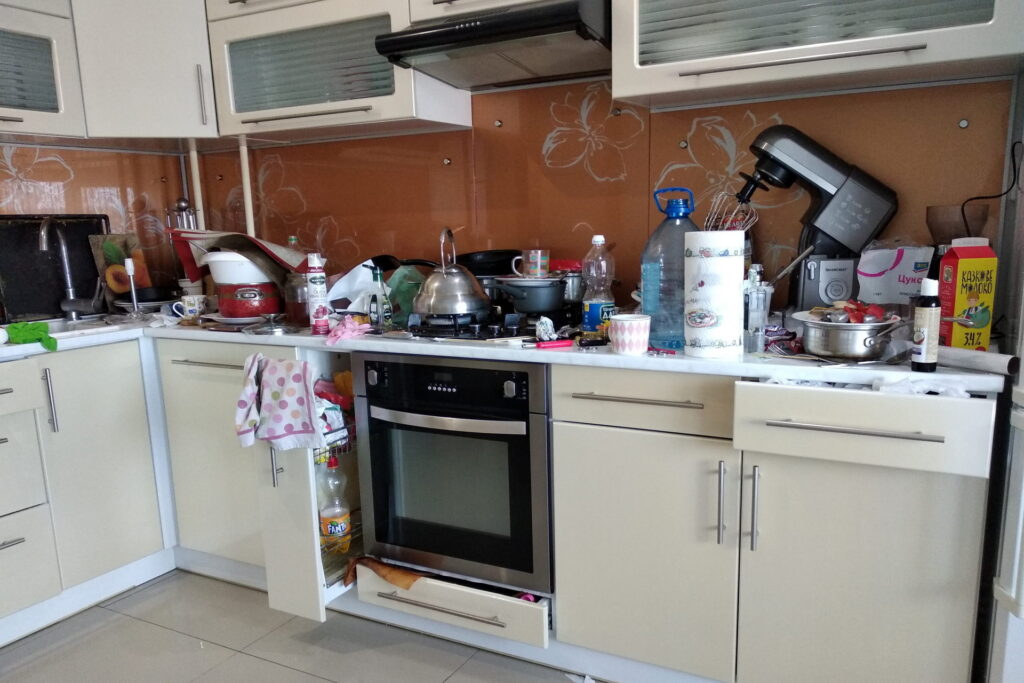
Before buying more bins, racks, trays, or organizers, it helps to understand why the clutter keeps coming back. A kitchen may just need reorganizing if the cabinets are structurally sound, everyday items already have a logical home, and the clutter mostly comes from keeping things you don’t really need.
The problem though is usually in the design
If you have these problems it might be time to contact licensed remodelers:
- Frequently used items have no convenient place to live
- Countertops have become permanent storage for small appliances
- Deep cabinets hide space that’s nearly impossible to reach
- The pantry can’t hold a normal week of groceries
- Storage stays inadequate even after a full declutter
These aren’t usually problems organizing can fix. They’re signs that the cabinetry or the layout itself no longer supports how the household actually uses the kitchen, and no amount of rearranging changes what the space is physically able to hold. Professionals can tell the difference between storage that’s being used poorly and storage that was never planned well in the first place, which is often the difference between a weekend project and a renovation worth budgeting for.
How do I reorganize my kitchen for better storage?
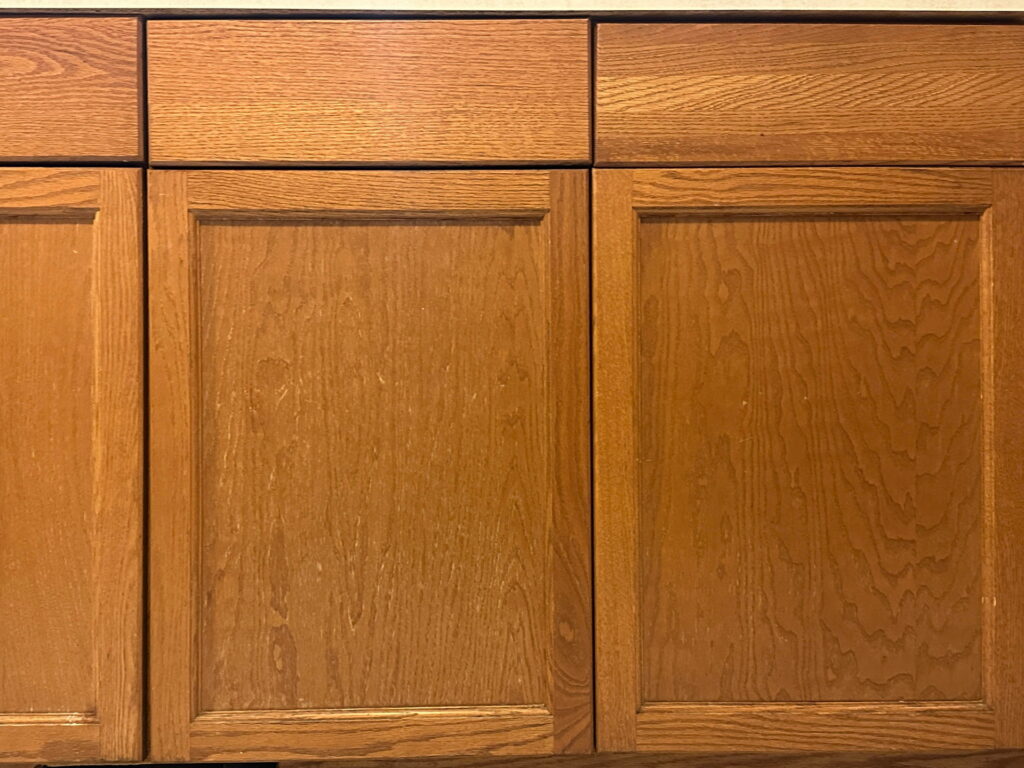
The fastest way to reorganize a kitchen is to remove everything from the cabinets and drawers, sort it by how often it’s actually used, and put back only what belongs there. A short round of kitchen storage reorganization works well as a diagnostic: if the same problem keeps returning no matter how carefully you arrange things, that’s usually a sign the limitation is the cabinet, not your habits, which can be solved by contacting renovators and making a new plan for your kitchen.
Start with a full declutter
Before adding anything new, clear out what’s not working:
- Toss anything expired, broken, duplicated, or no longer needed
- Set aside items you haven’t touched in over a year
- Group what’s left by category: cookware, bakeware, small appliances, pantry goods
- Wipe down shelves before anything goes back in
If you’re setting items aside to donate, the IRS provides guidance on how to value donated household goods for a possible tax deduction.
Organize around how you actually use the kitchen
Once it’s empty, arrange by routine instead of habit: coffee supplies near the coffee maker, cutting boards near the prep area, everyday dishes within reach of the dishwasher and the table. Kitchen designers use this same logic on a larger scale, building dedicated zones instead of treating every cabinet as interchangeable.
Why does kitchen planning make such a difference?
Homeowners tend to evaluate storage one cabinet at a time. However, if you have a pro in your corner, they evaluate your space as a complete system: the relationship between cabinets, appliances, countertops, walkways, and the household’s daily routine.
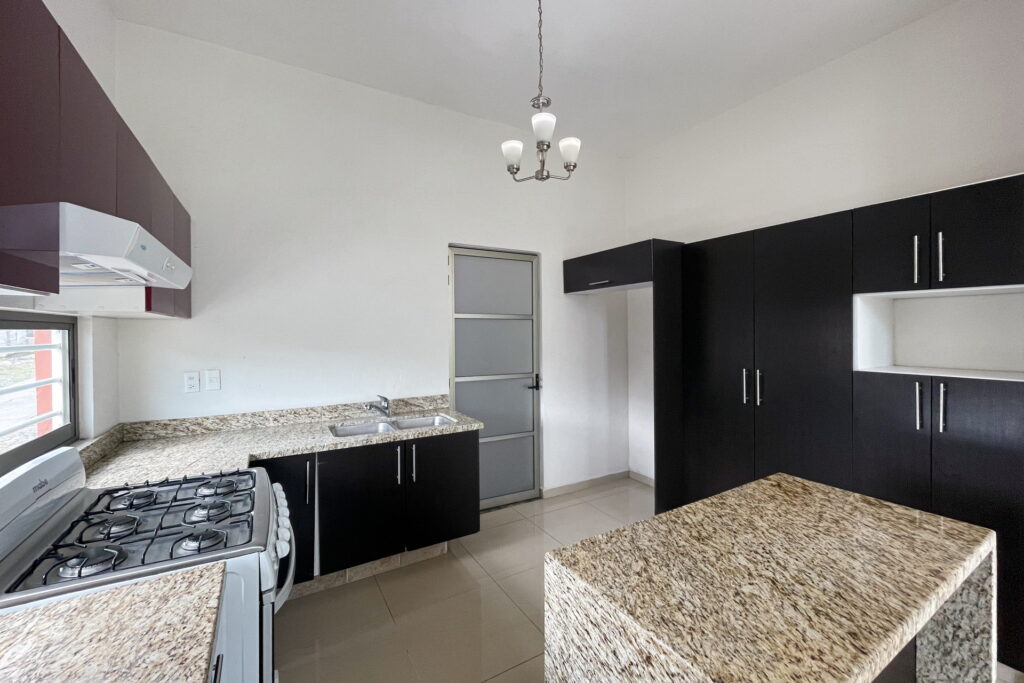
How one quick fix can trouble you elsewhere
A fix in one spot can create a problem somewhere else. A bigger pantry cabinet might solve a food-storage problem but narrow a walkway. Expanding an island might add drawers but block the dishwasher door. Moving an appliance might improve the workflow but require changes to plumbing or electrical. Even something as simple as adding deeper drawers can shift where a dishwasher door swings or how close a walkway gets to the stove.
Why planning it with experts works better
Experts plan these pieces together, which is what lets a storage improvement actually stick instead of trading one inconvenience for another. It’s also why isolated fixes, like adding an organizer to a cabinet box that was the wrong size to begin with, tend to underperform: professional renovators can determine whether that cabinet should be reconfigured, resized, replaced, or relocated instead.
What can custom kitchen storage solve that off-the-shelf organizers can’t?

Store-bought organizers are built to fit a broad range of kitchens. Custom storage is designed around one particular home, which is why it tends to outperform anything sold off the shelf, especially in older houses where cabinet openings, corners, shelf depths, and door clearances rarely match standard dimensions.
Corner and vertical storage
Traditional corner cabinets often bury usable space toward the back, where items get pushed out of reach and forgotten. A Lazy Susan can make an existing corner more manageable, but a renovation opens up other options too, like pull-out corner trays, swing-out shelving, angled drawers, or a redesigned cabinet configuration that removes the dead corner entirely. Federal accessible design standards even set specific reach-range guidelines for kitchen storage, a good reminder of how much daily function depends on getting height and placement right.
Cabinet and drawer organization
Cabinet and drawer organization is usually the fastest visible fix. A few well-chosen inserts, like deep dividers, adjustable trays, tiered risers, and under-shelf baskets, can make a chaotic kitchen dramatically easier to use. But these products also reveal whether the cabinet itself is the real limit: if a pull-out shelf won’t fit because the opening is too narrow, or a drawer is too shallow for the cookware it’s supposed to hold, that’s a sizing problem no insert solves. Specialists can specify drawer and cabinet dimensions around what’s actually going to be stored inside them, a different starting point than fitting belongings into a box that was never sized for them.
Pantry organization system
A pantry organization system built during a remodel can go well beyond containers and labels. Depending on the space, an expert can recommend a full-height pantry cabinet, narrow pull-out storage, custom adjustable shelving, or a separate beverage station, options that simply aren’t available once cabinetry is already built and installed. Containers still help in the meantime: uniform, stackable bins make it easier to see what’s on hand, and rotating older items to the front when restocking helps prevent food from expiring before it’s used. For general guidance on how long pantry staples stay fresh, the FoodKeeper database from the USDA is a helpful reference.
Should I reorganize my kitchen or remodel it?
Reorganizing is worth trying first, and it’s genuinely useful: it clears out what’s not working and turns a vague sense that the kitchen feels wrong into a specific, useful list. If the cabinets are in good shape and the main issue is poor grouping, better organizing usually solves it. If the cabinets are the wrong size, the pantry can’t hold a normal supply, or appliances no longer fit their spaces, no amount of reorganizing changes that, because the layout itself is the problem, not what’s inside it.
That list is what makes a design conversation short and productive instead of a guessing game. Rather than saying a kitchen “feels cramped,” a homeowner walking in with specifics, pots that don’t fit the drawers, a pantry that’s overflowing by Thursday, a corner cabinet nobody uses, or a countertop buried in small appliances, gives the right professionals something concrete to solve.

Signs it’s time for professionals to take a look
- Cabinets are cracked, warped, unstable, or difficult to open and close
- The pantry stays overcrowded even after a full declutter
- Appliances no longer fit their designated spaces
- Walkways feel tight whenever cabinet or appliance doors are open
Many of these same signs show up in outdated bathrooms as well, so if these frustrations keep surfacing in more than one room, it’s less about storage and more about design that hasn’t kept pace with how the home is actually used.
Who offers the best kitchen remodeling in San Diego for custom storage solutions?
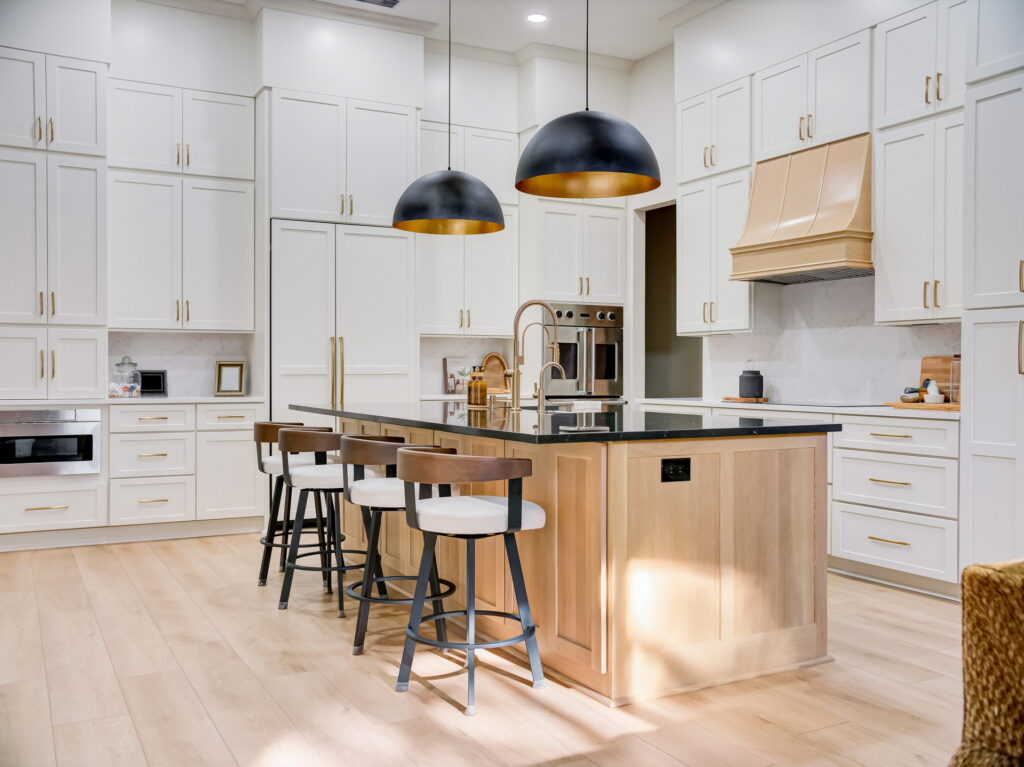
If you’ve reorganized every drawer and your kitchen still feels tight, it may be time for a design that’s actually built around how you live. This is where Remodel Works makes the difference. We bring more than four decades of experience turning kitchens with real storage problems into ones that actually work for the people using them.
Whether you’re near Balboa Park or elsewhere, our team has spent decades helping homeowners across the county with a kitchen design that’s actually built to fit their lives.
Ready to turn your storage frustrations into a kitchen that finally works for you? Call us today or request a free quote to start your renovation!