- An outdated bath usually shows functional problems before it looks obviously old.
- Moisture issues, poor ventilation, unsafe layouts, and failing materials deserve faster attention than style alone.
- The most expensive mistakes usually come from weak planning before construction begins.
- Durable surfaces, better lighting, improved storage, and safer access tend to create the strongest long-term value.
- The best 2026 trends combine comfort with practical daily use instead of chasing novelty.
- A professional design process can help turn scattered frustrations into a realistic plan.
A bath can look “fine” and still work poorly. Maybe the vanity has no useful storage. Maybe the shower feels cramped, the tile grout never looks clean, or the lighting makes every morning routine harder than it needs to be. Small frustrations often build slowly, so homeowners get used to working around them until the space finally feels outdated or hard to maintain.
That is usually when a cosmetic refresh stops being enough. Homeowners considering bathroom remodeling in San Diego should look first at how the room actually works for them day to day. A good renovation should solve real problems, not just replace old finishes. This guide can help you spot the difference between a bath that needs a few updates and one that may be ready for a more complete revamp.
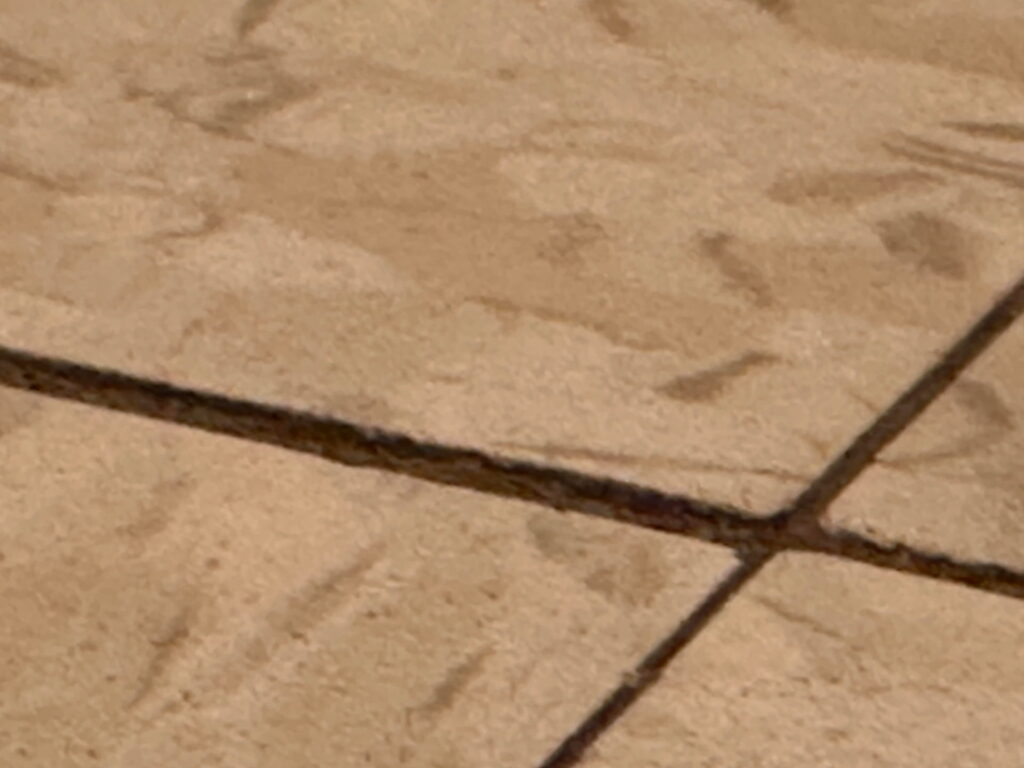
What is considered an outdated bathroom?
An outdated bath is one that no longer works as well as it should for everyday use or current safety needs. Old tile or a dated vanity can be part of the problem, but appearance alone does not tell the whole story. The more important signs usually show up in how the room functions.
You may be dealing with an outdated space if you notice:
- Grout or tile that keeps cracking or staining
- A shower or tub that feels too narrow for comfortable use
- Poor lighting around the mirror or shower area
- Limited counter space and cluttered bathroom storage
- Exhaust that fails to control steam
- Flooring that feels slippery or uneven
- Plumbing fixtures that leak, corrode, or look worn
- A layout that makes two people feel crowded
- Surfaces that take too much scrubbing to look clean
These issues go beyond age alone. They can signal that the room no longer works well for the people using it.
When style is the smallest problem
A dated color palette rarely creates urgency on its own. Old finishes can stay in place for years if the room still works well. The bigger concern is when the space becomes harder to clean, less comfortable to use, or poorly suited to the people sharing it.
For example, a narrow tub-shower combination may have worked years ago, but a walk-in shower with easier access may now make better use of the space. A small vanity that once felt adequate can also become frustrating when more than one person uses the room each morning.
When hidden issues matter more than the surface
Aging baths can also hide problems behind the finishes. Loose tile, soft flooring, recurring mildew, or staining on the ceiling below may point to moisture or material damage that needs more than a cosmetic update.
Before new finishes go in, those underlying issues should be addressed. Ventilation, damaged materials, and the condition of the surfaces underneath can all affect how well the renovated space holds up over time.
What are common bathroom remodel mistakes?
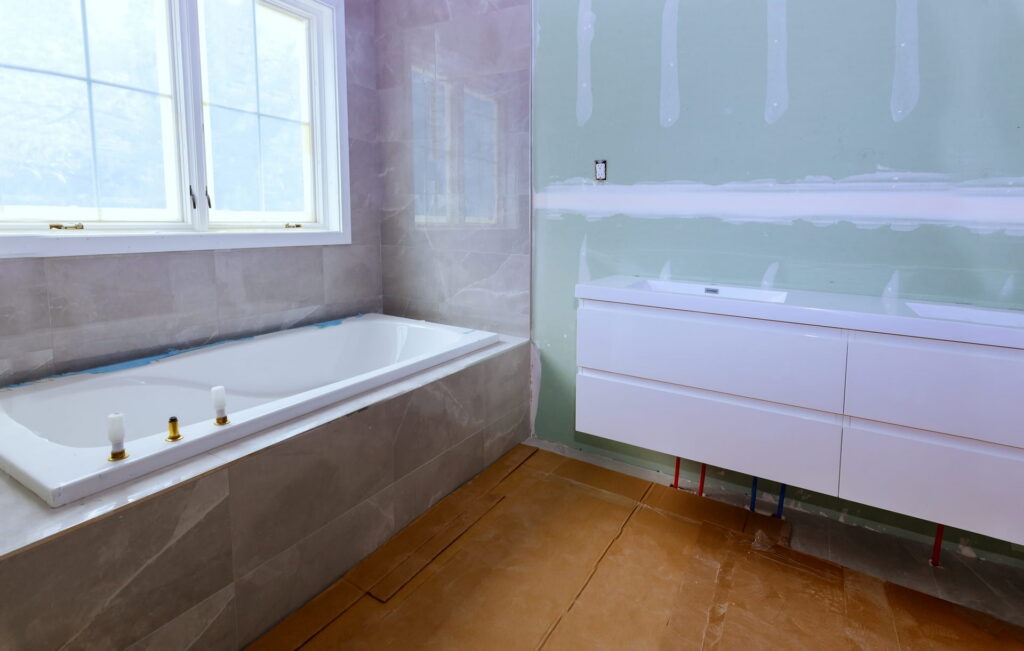
The most common mistakes happen before demolition starts. Homeowners often focus on finishes first, then discover too late that the bathroom layout, budget, lead times, and construction sequence needed more attention.
Choosing looks before function
Beautiful tiles cannot fix a weak layout. A beautiful vanity may still disappoint if the drawers hit a door frame or leave too little counter space. A freestanding tub may look elegant in photos but waste square footage if the household mostly needs a larger shower.
Before choosing finishes, identify what is not working in the current room:
- Do you need easier shower access?
- Does the vanity need better storage?
- Does the room need stronger lighting?
- Does the layout create traffic problems?
- Does moisture linger after every shower?
Once the function is clear, the design choices become easier to judge.
Underestimating ventilation
Ventilation affects comfort and durability. A weak exhaust fan can leave steam on mirrors, walls, cabinetry, and ceilings. Over time, that moisture can make finishes harder to maintain.
Good planning considers fan strength, placement, ducting, and how the room gets used. A primary suite with a large shower may need a different plan than a small powder room.
Ignoring storage until the end
Storage should not become an afterthought. Daily toiletries, linens, cleaning supplies, and personal items all need a logical place. If the new vanity looks good but holds less than the old one, the countertop may become cluttered again within weeks.
The same principle applies elsewhere in the home. Storage works best when it reflects what people actually need to keep close at hand, which is why planning storage around daily habits can make both kitchens and baths easier to use.
Trying to force a tight timeline
A rushed schedule can create expensive problems. Materials need time to be selected, ordered, and delivered, and permits can affect when construction is able to move forward. A detailed project schedule helps homeowners see what is happening next and plan around the disruption instead of reacting to changes as they come.
What adds the most value to a bathroom?

The upgrades that add the most value usually improve function and hold up well over time. Attractive finishes matter, but the strongest choices also make the room more comfortable and practical to use.
A better shower can make a major difference
In many homes, the shower becomes a central part of the renovation. More space, easier access, or useful built-in features can make it more comfortable without changing the entire room. Replacing a high tub wall or cramped enclosure can also make the space easier to use in the morning, at night, and as mobility needs change.
Durable materials protect the investment
Value depends on how well the room holds up. Durable tile, quality cabinetry, and reliable fixtures can reduce maintenance over time. The best material is not always the most expensive one. It is the one that fits the room and the level of use. Seeing materials in a showroom can also help homeowners compare texture, finish, and quality before committing to a choice they will use for years.
Lighting changes how the whole room works
Poor lighting can undermine an otherwise well-designed bathroom. Different layers of light should support grooming, shower use, nighttime movement, and general comfort.
A good plan avoids one harsh overhead fixture doing all the work. It gives the room enough light for detailed tasks while still allowing a softer mood when the goal is comfort.
Good storage protects usable space
The right vanity, medicine cabinet, and drawer layout can keep everyday items from taking over the countertop. Built-in outlets or organizers can also give hair tools and chargers a designated place instead of leaving them in view.
What are the hottest bathroom trends for 2026?
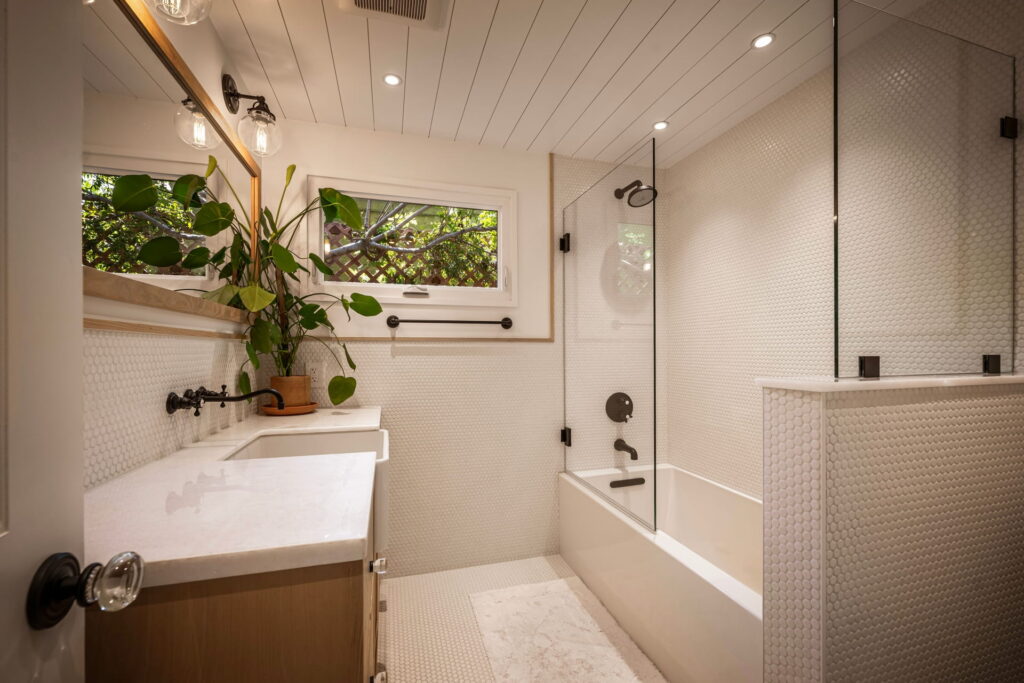
The strongest 2026 bathroom trends go beyond new colors or fixture finishes. Homeowners are leaning toward spaces that feel more personal, comfortable, and manageable to maintain.
Wellness features that still make practical sense
Homeowners are looking for bathrooms that offer more comfort than a purely functional space. A larger shower, built-in seating, steam, or warmer lighting can contribute to that experience when the feature actually suits the household.
The key is restraint. A feature should earn its place. If a steam shower fits the household and the budget, it may be worth planning for. If not, a larger standard shower with better lighting may deliver the bigger everyday benefit.
Natural textures and softer color palettes
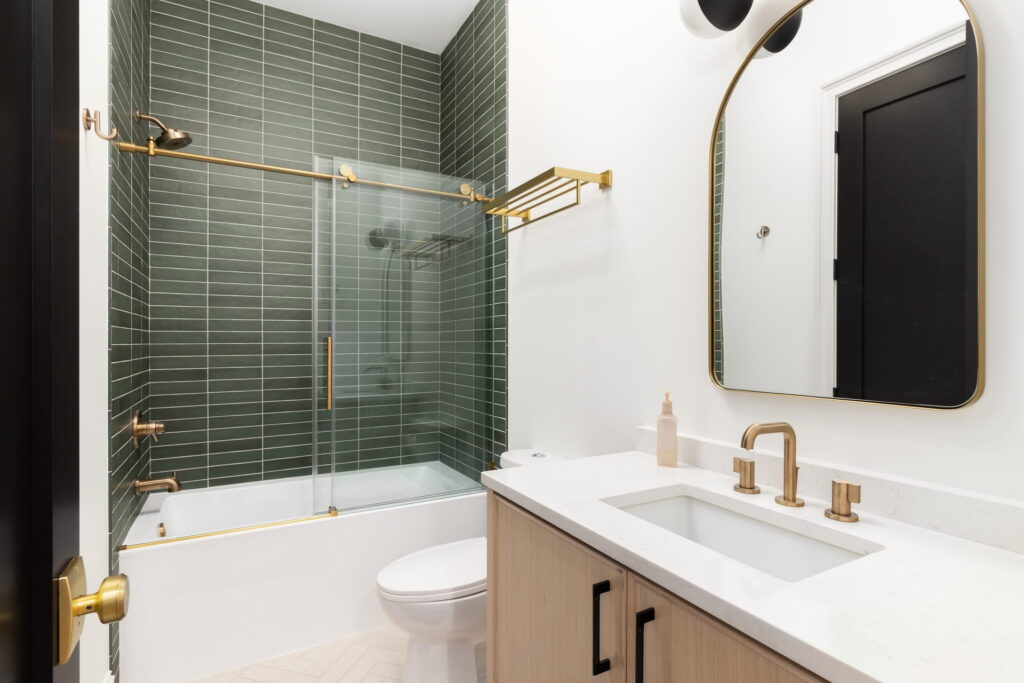
Warm neutrals, wood-faced vanities, stone-inspired surfaces, sage tones, and matte finishes continue to feel current because they create a softer, more relaxed look. These choices may also age better than highly specific color trends.
Fewer grout lines and easier maintenance
Large-format tile and slab-style surfaces continue to appeal because they reduce visual clutter and simplify upkeep. Fewer grout lines can make shower walls and floors easier to maintain, especially in busy households.
Smarter storage inside vanities
Custom drawer dividers, built-in outlets, hidden charging, and dedicated storage for daily tools are becoming more common. These features give frequently used items a designated place and help keep counters less cluttered.
Accessibility that looks intentional
Curbless entries or wider clearances no longer need to look clinical. When designed early, they can feel like a natural part of the room rather than a later adaptation. This can make the bathroom easier to use now while also preparing it for changing mobility needs later.
Should you update one problem area or plan a full renovation?
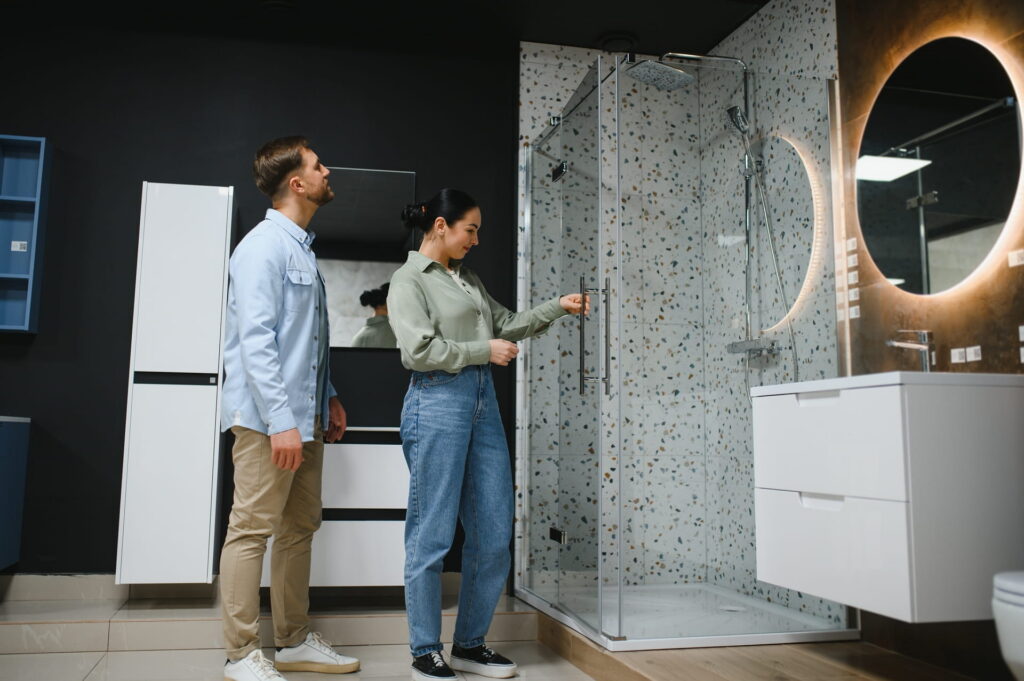
A larger renovation makes more sense when several problems are happening at the same time. If the shower feels cramped, storage is limited, and worn materials are starting to affect everyday use, replacing one finish may not address the bigger issue.
A larger renovation makes more sense when several issues overlap. If the shower feels cramped and the vanity cannot handle daily items, replacing one finish will not solve the bigger problem.
Signs a full renovation may make more sense
A full renovation may be worth considering when several of these conditions overlap:
- The layout wastes space
- Fixtures show wear or recurring leaks
- Storage does not support daily routines
- Flooring feels unsafe or damaged
- Lighting fails around key areas
- Ventilation struggles after every shower
- The room no longer matches the rest of the home
A professional design conversation can turn those frustrations into priorities. Our process starts with an at-home consultation, followed by design proposals. From there, the team helps with material selection, timeline details, project management, and permit needs.
Who provides expert bathroom remodeling in San Diego?
Remodel Works helps homeowners replace outdated baths with spaces designed around the way they actually live. With more than four decades of experience, a Poway showroom, fixed pricing, daily task schedules, dedicated project managers, and a 5-year workmanship warranty, the team makes the process easier to understand before work begins. Whether you live near Cabrillo National Monument or elsewhere in the county, we can help you turn an aging bath into a room that feels current and practical for everyday use.