
By now you should be aware that it is illegal to operate as an unlicensed contractor in the state of California. If this is the first time you’re reading this, then make sure you check out our other post on hiring unlicensed contractors in California. A big part of the reason that there are so many unlicensed contractors in the state is because so many don’t even know it is illegal.
In this post, we’re going to go over the unlicensed contractor california laws and help drill home the reasons that you should always, always, always, hire a licensed contractor over an unlicensed contractor.
It Is Illegal to Operate as an Unlicensed Contractor
Let’s just say it again: It is ILLEGAL to both operate as an unlicensed contractor and to hire an unlicensed contractor. Both sides of the equation can be held liable in certain situations.
Contracting jobs in the state of California require that the contractor have a valid license from the Contractors State Licensing Board (CSLB). There is not one all-encompassing license either — the contractor needs to have the specific license intended for their area of work. One license cannot be used for another job in another specialty.
Specifically, those contracting jobs which have a cost of over $500 in materials and labor require the contractor to be licensed. Jobs under that threshold do not require a license, however, it is still in the homeowner’s best interest to use a licensed contractor for any job regardless of price. We’ll get into more on that later.
For any job over $500, the contractor must provide their license number for any contract on which they place a bid. Using a license number that is assigned to another specialty, or one that is in any other way false, could lead to some severe penalties for the contractor.
Regardless of the risks involved of hiring an unlicensed contractor, there are still countless currently operating in California. Their low prices and the overall negligence of the public keeps this “underground economy” booming, but as more and more homeowners learn the potential consequences of hiring an unlicensed contractor, and likewise, the unlicensed contractors see the true risk in working without a license, perhaps the numbers will decrease.
Having a license does not guarantee a homeowner that their contractor will do superior work, but it does assure them that they are protected if something goes wrong. Unlicensed contractors can offer no such assurances.
Luckily, the California Contractors’ State License Law (“License Law”) is in place to protect homeowners against the unlawful practices of unlicensed contractors.
The California Contractors’ State License Law Protects Homeowners Against Unlicensed Contractors
Homeowners and the general public do have an ally against unlicensed contractors in California: The California Contractors’ State License Law (“License Law”).
This law was created to protect the public from incompetent and dishonest services by unlicensed contractors in the California construction industry. The law states that all California contractors must possess a valid contractor’s license unless that are able to meet a few narrow statutory exceptions. Those who do jobs under $500 also do not need a license.
However, for those looking to bid on and work on larger projects, a license specific to the nature of work will be required. There are actually over 40 types of construction licenses each covering a specific specialty. Roofing jobs have their own set of licenses, plumbing and electrical work too. In order to legally complete these certain jobs, the specific matching license will be required and no license overlaps to another activity are allowed.
The License Law also applies to workers not directly associated with construction, such as landscapers or tree trimmers, interior decorators, painters, and even sprinkler system installers. The Law covers work done not only to the physical home itself, but also the yard, driveway, garage, porch, pool and hot tub, and anything else on the homeowner’s property.
The Law also covers materials, known as “home improvement goods,” which are used in the construction project and permanently affixed to the home. These goods might include heating and air conditioning equipment, carpeting, fencing, etc.
Are There Any Situations In Which a License is Not Required?
Yes, actually there are some situations where it is okay to hire an unlicensed contractor, at least legally.
For example, any construction, improvements, repairs, or alterations made to personal property such as your television or computer does not require your contractor to be licensed. As we mentioned previously, home improvement jobs under $500 also do not require for your contractor to be licensed.
The installation of any finished products, materials, or merchandise that does not become a fixed part of the home also is not covered under the law. Therefore, suppliers of finished cabinets or flooring do not need to be licensed, however, those who install the materials likely do. House cleaners and chimney sweepers do no need to be licensed either.
What are the Potential Consequences for Unlicensed Contractors?
Unlicensed contractor law is pretty stiff in the state of California, and those who operate without a license should be rather careful that they are not caught conducting their business. Hundreds of unlicensed contractors are caught each year, and some face rather serious penalties for not having a license.
The California Contractors’ State License Law outlines that no person in California may perform any construction services billed at $500 or over, which can range from smaller repair jobs to the construction of an entire home. Obviously, bigger jobs will be easier for the authorities to catch someone who is unlicensed, however, contractors have been known to complete work on jobs big and small.
The License Law is enforced by the Contractors State License Board (CSLB), which upholds construction standards throughout California and protect consumers. According to the CSLB, those who operate without a state-issued license actually cause harm to the public and thereby tarnish the respectability of the construction industry. The CSLB says this undermines California’s financial foundation. As you can see, they take cracking down on unlicensed contracting very seriously.
So serious in fact that those contractors who are caught operating without a license during a kitchen remodel, bathroom remodel, or any other home improvement may have to appear before a Superior Court judge on misdemeanor charges. These charges can carry with them a potential jail sentence and/or steep fines.
Anyone who is caught operating without a contractor’s license, as well as those who are caught operating with an improper license (using a license specific to another job on a project with a different classification for which they do not have a license), or fraudulent license (using a fake license number or someone else’s license number) will be subject to penalties that some may find surprising.
Operating without a license is typically a misdemeanor charge which comes with a maximum sentence of six months imprisonment, and/or a $500 fine. These fines can grow north of $15,000 if convicted. Repeat offenders will be given a minimum sentence of 90 days in state prison and face even steeper fines.
Being an unlicensed contractor in California can be a felony offense if the contractor used someone else’s license when they bid or worked on a job. Any attempt by an unlicensed contractor to falsely represent in any way that they are licensed will be charged as a felony.
They may face an additional “identity theft” charge if the contractor attempted to use, or has been using someone else’s contractor license number without that person’s knowledge. This could lead to a more lengthy sentence. Those who attempt to financially abuse the elderly will face even stiffer penalties still, as there are clauses in place to protect customers over 65 years of age.
Laws & Codes Against Unlicensed Contractors in California
The following codes and unlicensed contractor California penalty laws are as followed.
- Business and Professions Code section 7028 – contracting without a license. The penalty for operating without a license on a first offense is up to six months in jail and/or a fine of up to $5,000, plus the potential for additional administrative fines and penalties.
- Business and Professions Code section 7027.1 – illegal advertising. This penalizes any unlicensed contractor who posts advertising and does not state in the ad that they are unlicensed. Unlicensed contractors are allowed to advertise for jobs under $500, but still must state that they are unlicensed, otherwise, if caught, they may face a fine from $700 to $1,000.
- Business and Professions Code section 7159.5 – requesting an excessive down payment. Home improvement down payments cannot exceed 10 percent of the contract total, or $1,000, whichever turns out to be less. In California, this is a misdemeanor charge that carries a maximum penalty of six months in jail and/or a fine of up to $5,000.
- Business and Professions Code section 7127) – stop order to halt job site activity where any person found with or without a contractor license does not have workers compensation insurance coverage for employees. If the contractor then fails to comply with the Stop Order, it may result in misdemeanor charges and a penalty of up to 60 days in jail and fines as high as $10,000.
Unlicensed Contractors Cannot Enforce Work Contracts
While this is not meant to be seen as a loophole through which homeowners can take advantage of unlicensed contractors, it can be used as a backdoor through which they can achieve financial restitution.
Unlicensed contractors actually have no legal recourse to recover any payment that they have not received from their customer. If a job requires a license, and your contractor does not have one, you do not have to pay them, even if they completed the work to your specifications. And there is nothing that the unlicensed contractor can do about it.
No contract between a homeowner and an unlicensed contractor is legally enforceable for the contractor, but the homeowner has the right to sue for any and all payments made. Even if the work was done to your satisfaction, you can still get your money back.
While you cannot be sued for non-payment by an unlicensed contractor in California, there are some potential consequences for the homeowner as well.
Why You Should Hire a Licensed Contractor
Homeowners aren’t completed free of fault when it comes to hiring an unlicensed contractor, and they certainly take on a hefty amount of risk as well.
Most of this risk stems from the fact that unlicensed contractors have to cut corners in order to offer their lower prices and get the work done. Since they are unlicensed, they are unable to acquire the necessary permits needed for certain jobs.
This can come back to bite you later on it you wish to sell your home, as you will have to disclose that information to your potential buyers, and this can lower the overall value of your home. Should you not disclose this information, you could be held liable if the work in question is later found to not be up to code.
While you are under no legal obligation to pay an unlicensed contractor, the contractor also does not have to fix anything for you that they did wrong. If their work isn’t up to your standards, or worse, they cause damage, you will likely have to pay someone else to come and fix it. This negates those savings you were hoping to gain when you hired the unlicensed contractor, and puts you in a worse situation.
But the biggest risk homeowners face when hiring an unlicensed contractor is liability.
Unlicensed contractors do not have workers compensation or liability insurance. This means that if the contractor, or any subcontractor, is injured on the job, it will be the homeowner’s responsibility and you could be held liable for damages.
California state law, under Insurance Code §2750.5, states that “an unlicensed worker performing services for which a license is required is not an independent contractor.” Therefore, an unlicensed contractor is actually legally considered to be the employee of the homeowner, as well as any subcontractors brought on for the project.
Is it then the homeowner’s responsibility to comply with California OSHA safety regulations, and if the contractor or subcontractor is injured, they can file a lawsuit against the homeowner for violating the law by hiring an unlicensed contractor, and for providing an unsafe workplace. Your homeowner’s insurance will not cover you in such a situation, and the injured worker’s medical bills, plus coverage for their lost wages, can be financially crippling to a homeowner.
Licensed contractors will have workers compensation and liability insurance, which is perhaps the greatest reason they are the safe play. It doesn’t mean their work will be better, but if something goes wrong, it won’t be you who is on the hook to cover the expenses.

Latest Posts
Affordable Bathroom Remodel Ideas That Look High-End
How to Plan a Kitchen and Bathroom Remodel at the Same Time
Walk-In Showers vs. Bathtubs: What’s Best for Your Home?
Get your in-home free estimate today!

L-shaped Kitchen Design
The L-shaped kitchen layout is incredibly popular and is seen in many different shapes and sizes of homes. The design is simple by nature which makes it is easy to transition into just about any kitchen. Typically, It is comprised of two countertops that adjoin together using a maximum of only two walls. However, the positioning can easily be manipulated to help make the most out of your l-shaped kitchen. Another way to use the layout is by setting one leg of the L against the exterior facing wall, while the other leg creates a perpendicular freestanding countertop. This layout is sometimes used to section off the kitchen from another room. Because of this, it is seen as a great way to hold an open concept feel in a home. The guidelines of the l-shaped kitchen layout are very straightforward, so most of the work can be allocated to implementing it in a way that creates cohesiveness with the rest of the home. Let’s take a look at some reasons why L-shaped kitchen design layouts have become so beneficial to modern homes.
Benefits of L-shaped Kitchen Design
Whether you chose an L-shape for your remodel, or already have one, it’s a good idea to understand the benefits of the design beyond its aesthetic appeal. Aside from its sleek and adaptable layout, it is renowned for the functionality that it provides. Ergonomics is the process of designing a workspace so that it is fit to the needs of the person who uses it. The L-shape kitchen is seen as an ergonomically sound floor plan because it allows for an easy and efficient flow of cleaning and cooking. From open counter space to optimal work triangle, the L-shape is a proven asset in a well-designed home. But remember, the most important thing about an asset like this is knowing its value and how to use it! Of all its benefits, we’ll recognize a few that are seen as some of the most important.
Open Concept Layout
An open concept layout is a term that describes the elimination of barrier walls and doors that traditionally separate rooms for the purpose of creating a more fluid living space. The open concept has become one of the most popular features of modern homes and has owners of older homes knocking down walls to give themselves more space. Conveniently, the L-shape is one of the best kitchen layouts for this. Both legs provide enough structure and surface area to work with, but don’t close the space off to the point where it is isolated from the family room or dining room. This is great for family bonding because it allows the family to interact much easier during meal preparation times. It also provides an unobstructed sightline so parents can keep a better eye on young ones while preparing food. Another benefit is the added entertaining factors. The open concept makes entertaining somewhat more fluid because the kitchen will be connected with a more high traffic room. This is a great scenario to make use of the L-shaped layout that features a freestanding leg, which can be fit with bar stools on the opposite side for hosting guests and feeding family members.
Maximize space
Maximizing available space should be the number one concern of most homeowners, especially in small kitchens. If your home already features an L-shaped kitchen, you’re ahead of the game in this aspect. With an L-shaped plan, small kitchens appear larger because counter space is only set against two walls, leaving you with lots of floor space. And because of this simple design, the L-shape allows the majority of your kitchen to be used as working area. If there is more than one chef in your home, an L-shaped kitchen can definitely be beneficial in terms of allowing room for both to work. Sometimes a kitchen can feel cramped right when a second person enters, but with both wings set apart independently, interfering is almost never an issue. Aside from the counters and floors, there are other areas where the L-shape can be utilized to maximize space.
Corner Space
In a smaller kitchen, homeowners have to get creative. To begin, every inch of space should provide a function. For instance, corner space can be made available to a central part of the work triangle like a sink. Luckily, this is done often and there is a multitude of sinks designed to fit the corner of an L-shaped kitchen. This is one beneficial tactic to use in apartment sized or smaller kitchen, however, isn’t necessary for a larger kitchen. On the other hand, tricks like implementing corner cabinets into the design is a great way to make tight areas functional. This opens up a larger inner corner area to be used to store away pots, pans and other larger appliances such as mixers. An abundance of storage is always a good thing and is especially beneficial to larger families.
Alternative Cabinetry
The layout can not only be fitted with kitchen cabinets under the counters but along the walls above as well. Because the L-shape design is sleek by nature, adding overhead cabinetry won’t be too bulky or make the space seem closed off. This layout also allows you to mix and match types of cabinetry such as full length and overhead. Full-length cabinetry is tall and spacious while floating cabinets easily blend stove hoods. As a rule of thumb, full-length cabinetry is beautiful and cohesive on the leg that features a fridge and floating blends better on the other half with a sink and stove top. Keeping things neat and tucked away is one of the best ways to improve a workspace because it facilitates the exchange of fluid movements throughout while maintaining a clutter-free look.
On the other hand, a trendy way of storing appliances is with open shelving which can be set between cabinets in the corner or on the ends of the L. This eliminates the appearance of too many cabinets while maintaining the use of maximum storage space. If you find yourself with all the storage you need, these shelves can also be used to add the finishing touches to your kitchen. Think about decorating it with tin mugs, delicate flowers, or a trendy cookbook to showcase your personal style.
Multiple Entrances
Fewer traffic jams mean more ease and less stress when preparing food and entertaining guests. Because the L-shape is open concept, it allows for more entries and exits than say, the U-shaped kitchen which only has one. Without an island in the middle, the L-shaped kitchen can be approached from just about any angle. This not only makes it very inviting to family and guests, but more functionally in sync with the rest of the home as well. If you choose to add an island, your kitchen features two open entry points which is still an added bonus. When all said and done, whatever your personal preference or available room, you’ll still be left with easily directed traffic flow.
The Island
One of the L-shaped kitchens most proud accomplishments is its ability to provide ample space for an island. Because it is set against the wall, it provides a cohesive frame to allow maximum functionality of the kitchen island. An island not only provides you with more storage and more counter space, but it can be used as a place for guests to sit and socialize as you entertain. To create this function, simply add some bar stools to one side. On the other hand, if you have a smaller kitchen, an island will fit better if it is square shaped. The square shape should be kept small so that it is easy enough to reach the center. Because of this, it may not be possible to have a seating area and extra counter for preparation at the same time. If you are torn between the two, a viable option is to opt to enhance your work triangle by using the space as a working component. One way to do this is to place your sink on the island. If done correctly this is an expert way to level up your work triangle. The island is a perfect place to add an extra sink if you find yourself in the market for one. An extra sink is ideal for homes with dual chefs or as an additional cleanup station. However, this is a better option for larger kitchens as it uses a fair amount of counter space.
Efficient workspace
The kitchen is one of the only rooms in a home where every inch must provide some sort of function. Once you’ve decided on which functions are most important, you can move on to the next step. This is where ergonomics comes into play. Ergonomic is the main player in creating a kitchen that is most efficient for the purpose of food preparation, cooking, and clean up. In a kitchen, efficiency at its core begins with geometry. These three components together, create a modern kitchen that is as user-friendly as possible. The L-shaped kitchen layout is designed with this at its core value.
The Work Triangle
Most kitchens are designed around the concept of moving fluidly through the “work Triangle”. The kitchen work triangle commonly refers to the triangular positioning of a sink, stove, and fridge which are the three main components of a kitchen. L-shaped kitchens do a great job of upholding the integrity of the work triangle. This is because counters are set on only two walls which makes moving from zone to zone very quick. Another benefit of this is that preparation is easily organized with each station placed strategically in your kitchen area. In a smaller kitchen, the L-shape allows the work triangle to be condensed.
Adding to Efficiency
The L-shape is easy to move about but also gives you the option to enhance your kitchen toolbox with all kinds of exciting additions. Kitchen additives these days stretch far from essential. Think about adding extra functional touches such as strategically positioned outlets. These can help you to enhance the fluidity of your workflow by allowing you to plug in small appliances according to your routines. The best part about the L-shaped kitchen layout is that you can make it your own. For example, wine connoisseurs might use the extra space for an under cabinet wine refrigerator. Another extremely useful addition to your kitchen is a trash compactor. Trash compactors not only save you trips to outside but money on trash bags. If you cannot live without your morning coffee, the creme de la creme of kitchen appliances is the built-in espresso machine. On the other hand, If you want to run with the theme of efficiency, energy efficient appliances can go a long way. These are all added benefits that the extra space from an L-shaped kitchen layout provides you with.
Wrapping Up
When all is said and done, whether your home currently features an L-shaped kitchen design or you are looking to use one in your kitchen remodel, consider yourself lucky! The L-shaped kitchen provides maximum efficiency through the use of the work triangle. It also frames an open concept design, gives options for an island or additional storage, and maximizes the available space in your home. As a final tip, don’t try to take on the task of creating an L-shape yourself. Get assistance from a professional to ensure that everything runs smoothly, and you’re left with a kitchen that is as beautiful and functional as possible.
Latest Posts
Affordable Bathroom Remodel Ideas That Look High-End
How to Plan a Kitchen and Bathroom Remodel at the Same Time
Walk-In Showers vs. Bathtubs: What’s Best for Your Home?
Get your in-home free estimate today!

It can be exciting and stressful when you’re preparing to redesign your kitchen. The room is such an important part of your daily life, so you likely have worries about how you will survive the remodel. You may also be wondering how you will decide which kitchen layout is right for you and your family.
No matter how big your room is, it’s important to utilize your entire kitchen layout. You want to maximize your storage area and meal prep space while also creating an inviting area for family dinners and entertaining. One of the best ways to do this is by implementing an L-shaped kitchen design in your home.
We are experts in remodeling kitchens, so we have a wealth of tips and tricks to help you make the most of your kitchen space. In this blog, we will go over the main features and of an L-shaped kitchen and offer popular L-shaped kitchen design ideas to show you the different ways you can fully maximize your space.
What is an L-Shaped Kitchen?
As you might have guessed from the name, this type of kitchen layout is shaped like the letter L. Two adjoining lengths of cabinets and countertops make up the legs of the L.
Depending on the design of the kitchen, the cabinets and counter space can be on two full walls, or one of the legs can be a half wall. It is common to have appliances for cooking and cleaning on one side of the L and storage on the other. This means that your stove and sink may be separated from your refrigerator. Many kitchens with enough space also feature an island in the middle of the room to add more storage and cooking area for food prep.
Due to the versatile nature of an L-shaped kitchen design layout, it is an excellent choice for small and large kitchens. Simply by varying the floor plan and the length of each leg of the L, you can likely make this popular style work in your home.
The Pros and Cons of L-Shaped Kitchens
There is a good reason why the L-shaped kitchen layout design is so popular. With help from an expert, this type of interior design creates an efficient and organized workflow by maintaining the kitchen work triangle, making everything from cooking to cleanup a breeze. The kitchen triangle refers to a kitchen that has an efficient relationship between the sink, stove, and refrigerator. Additionally, this layout allows you to separate your kitchen into work zones, which is perfect for families that need to accommodate multiple cooks at the same time.
Although cooks and bakers love L-shaped kitchens, they are good for so much more than meal prep and cleanup. Because they often open into a larger room or living area, this eat-in kitchen layout is perfect for entertaining. You can carry on a conversation with your guests or family members while you prepare delicious treats and meals, keeping you from feeling isolated from everyone else.
Another benefit of the L-shaped kitchen design is versatility. The style is perfect for many different lifestyles and tastes. Whether you’re looking for something to accommodate your family in a dining area or a space that is ideal for entertaining, an L-shaped kitchen can work for you. You can also achieve entirely different looks simply by switching up the cabinets, backsplash, appliances, hardware, colors, and patterns.
L-shaped kitchens are known for using two adjacent walls to create the versatile shape. While some kitchens place upper and lower cabinets on both sides of the L, some designs only feature lower cabinets and an open countertop. This type of layout opens up the kitchen to a neighboring room and provides a more-open flow for your home, but it has one distinct disadvantage. You lose the extra storage space that is found in the upper cabinets. However, this problem can often be solved by adding an island.
When this type of kitchen has a sink in the island, it can create another issue. This layout can add more space for cleanup and meal prep, but it often means that you have to reconfigure the plumbing. Doing so can raise the price of your kitchen remodel, but you may find that the efficiency is well-worth the additional cost.
Ways to Make the Most of Your L-Shaped Kitchen
Designing the perfect kitchen for your needs and space is an art and a science. No home is exactly the same, so what works in one kitchen might not be a good choice for another. To get the right fit for you and improve your L-shaped kitchen, you need to consider many different aspects of your room and lifestyle. The best layout for your kitchen will make the most of the space, offer an intuitive workflow, and allow you to do everything you love.
Handling Kitchens with Different Wall Lengths
Some people worry when they have kitchen walls that are different lengths. They assume that it will make it more difficult to remodel the room. Luckily, L-shaped kitchens are very flexible, especially when it comes to the position of the sink and stove.
When you’re remodeling a kitchen with different wall lengths, you should include tall cabinets and appliances, such as oven housing or the refrigerator, on the shorter length. However, they should be as far away from the window as possible. The goal is to avoid blocking the natural light coming into the room.
Speaking of windows, their placement will also determine where you place your overhead kitchen cabinets. Most of the time, an L-shaped kitchen with different wall lengths should have the upper cabinets on the longest wall. The reason why is simple. It provides more overhead storage space than you would get by using the shorter wall. You will often place the cooktop on this wall as well, which makes it easy to reach the cooking essentials.
If you don’t have a window on either of the two walls of the L, you can also place overhead cabinets on the shorter wall with under-cabinet lighting. If you are looking to create an open feel for the space, you can make these cabinets floating shelves or give them glass-front doors. This allows you to have more storage space while also giving the impression of having a larger kitchen.
Maximizing Kitchens with the Same Wall Lengths
When you have a kitchen that has walls of the same length, you should typically place tall cabinets on the same side as the oven. This gives you more counter space around the sink, which you will generally place on the adjacent wall. If you are right-handed, you can also place a pull out trash container under the counter to the left of the sink and a dishwasher on the right side. This layout will be reversed if you are a leftie.
In a kitchen where both walls are about the same length, you will often have the room to separate the sink and oven on different walls. Any cook can tell you that the main food prep space is between the sink and range. By separating these two fixtures, you can gain more countertop space between them. As an added benefit, this creates a distinction between your kitchen’s cooking area and cleanup zone, which helps you stay organized.
Even if your walls are the same length, it’s still important to consider the location of your windows when you’re deciding where to place different appliances and features in your kitchen. You want to make sure you’re not only maximizing efficiency, but also that precious natural sunlight.
Work With Doorways
There’s no need to panic if one of the legs of your L-shaped kitchen has a doorway in it. This is called a broken L-shape, and it allows you to try unique designs. For example, the height of the doorway gives you the option to add a tall wall of cabinets on one leg of the L. You can also use the break to use different materials for your countertops.
The broken L-shape has another benefit. You can use it to create distinct workstations for food preparation, cooking, and cleanup. Such a setup is perfect if you will have more than one cook working in the space at the same time.
Make the Most of the Corners
So many homeowners lose the valuable storage space in the back of the corner cabinets. People often avoid using this space because it is difficult to reach and see the contents of these corner areas. Rather than losing out on a place to keep your kitchen essentials, you can implement creative solutions to make the most of it. This is especially important in L-shaped kitchen designs for small kitchens.
Some of the options include pull out units and carousel units. The first choice fully retracts into the back of your corner cabinet, which allows you to easily use all of the once-wasted space. When you want to use the pullout unit, you pull on it to make it swivel outward, which allows you to see and access everything that would otherwise be hidden in the back of the cabinet. As for the carousel unit, it does not extend outward, it simply rotates 360 degrees to let you reach whatever you need.
These corner solutions can work just as well in overhead cabinets as they do in cabinets beneath the work surface. This makes it easy to access everything from your spices to your stand mixer. No more losing items in the back of a cabinet – or giving up completely on ever using the storage space.
Incorporate an Island – or Add a Table and Chairs
An L-shaped kitchen is a favorite not only for its functionality, but also because it often allows you to incorporate an island or breakfast bar. Although smaller kitchens might not be able to fit an island, it can work for most spaces. Best of all, it can work in rooms regardless of whether their walls are the same or different lengths.
Not only does it add more storage space, you can use an island to house your cooktop or sink, depending on your personal preference. But keep in mind that this is not a great option if you want to use the surface of your island for entertaining or doing homework with your children. If this is the case, keep it clear and add seating on the side that is farthest from the cooking area.
You need to consider the size and shape of your kitchen when you’re putting in an island. If the room doesn’t have a lot of space, you may have to settle for a smaller island. Additionally, while most people think of this kitchen feature as being a square, it might make more sense in some cases to have a rectangular island.
If you don’t have room for a kitchen island, you may be able to add a small dining table and chairs. This is common in L-shaped kitchen design for small kitchens. This allows you to add a space to eat and socialize with your family or guests while you are preparing food or cleaning.
Personalize Your Kitchen
You’re taking the time and spending the money to remodel your kitchen, so you want it to be the right fit for your life. Think about what would make your life easier.
For example, if you’re left-handed, you’ll want to set up your kitchen differently than someone who is right-handed. If you or a family member uses a wheelchair, you may want to ask an expert about how you can make your kitchen more accessible. The goal is to customize your kitchen for your needs and lifestyle.
With these tips, you can design a kitchen that includes the layout and features you need to create a functional and aesthetically pleasing space that is ideal for cooking, eating, and entertaining.
For more ideas and information about L-shaped kitchens, check out our blog post that explains what an L-shaped kitchen is.
Latest Posts
Affordable Bathroom Remodel Ideas That Look High-End
How to Plan a Kitchen and Bathroom Remodel at the Same Time
Walk-In Showers vs. Bathtubs: What’s Best for Your Home?
Get your in-home free estimate today!
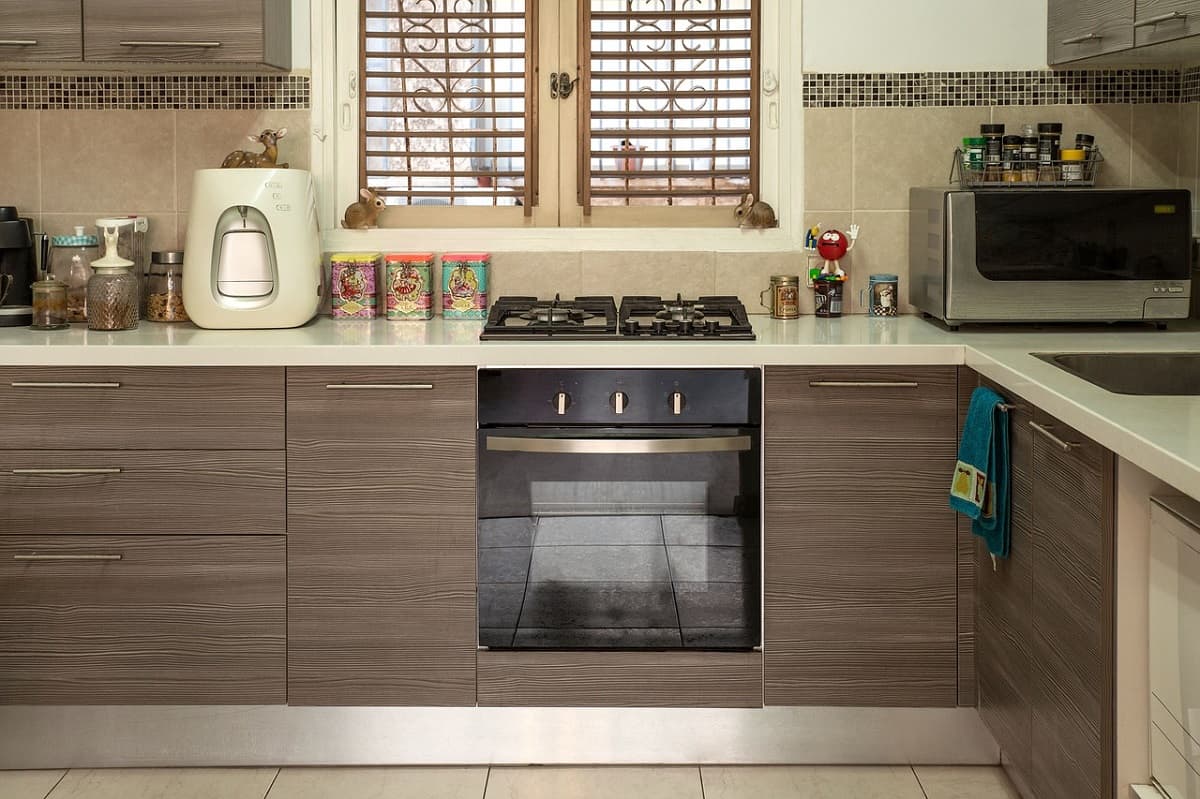
An L-shaped kitchen is one of the most popular types of kitchen layouts because of its outstanding functionality and ability to adapt to just about any home. You may have once loved your kitchen, but as time goes on, kitchens become outdated and just don’t work as well as they once did, especially if you have a growing family. On the other hand, you may have just purchased an amazing home, but need to make some improvements to bring it up to speed. Demo and construction can be extremely costly which is why most homeowners opt to preserve their current layout. With an L-shape this is easy to do. Whatever your reason, improving the look and function of your L-shaped kitchen is one of the best home improvements to invest in. However, you don’t have to completely demolish your existing kitchen in order to bring things to life, all you need is a little facelift. Because L-shaped kitchens are so easy to work with, you can recreate a beautiful and functional kitchen without draining your savings account.
Plan Ahead
Planning ahead is important for every project. Even during a small kitchen revamp, you might incur unexpected costs so it is important to budget properly. As all homeowners know, it’s much better to fall below your initial budget than to end up breaking it. For this reason, utilizing a professional to help plan all aspects of the project is highly recommended. Contractors and project managers can better forecast your exact vision and how much it is going to cost you. They will also help protect the rest of your home during the process by taking care of all the moving parts and permits- if any. And most importantly, they will help keep your kitchen remodel on a timeline so that you can enjoy your finished product as soon as possible.
Aside from all the physical work, having a good vision of what you’re looking for can get the ball rolling much quicker. From backsplashes and accent walls to countertops and appliances, the designing process alone can be a pretty arduous task. If you’re like most people and don’t naturally have an eye for palette and texture design, there are a plethora of popular kitchen design layout ideas on the internet. Remember, this should be an enjoyable process that leaves you with a product you’ll enjoy for a very long time!
Rework the Work Triangle
Ahh, the work triangle. If you’re not familiar, the work triangle refers to the placement of the three most imperative components of a kitchen: the refrigerator, sink, and stove. When done correctly, this geometric shape single-handedly improves the ergonomics of your kitchen. It does this by providing a fluid motion from station to station during the preparing and cleaning process. Unfortunately, some work triangles are not up to par. In the case that your work triangle isn’t configured correctly, it can cause quite a bit of a hassle for anyone who wants to get the most out of their kitchen. Reworking the triangle is your best option and will definitely improve the feel and functionality of the space. So what goes into this project? In most cases, plumbing and electrical work need to be rerouted to move around the necessary appliances. However, a task like this can get expensive. Because his project can be on the more costly side of the potential projects, if you can skip this step, you’re better off. So if you are already happy with your work triangle, you can use this budget elsewhere.
Implement an Island
An L-shaped kitchen layout is known for its ability to frame a room and make space for the addition of an island. If your kitchen does not already feature an island and has room for one, you should seriously consider adding one to your list. Islands are great in an L-shaped kitchen for many reasons. First, they provide all the extra counter space you need for preparing meals which is a highly sought-after resource in kitchens! Not only do they provide you with surface area, but the portion underneath can be structured with drawers and cabinets to give quite a bit of extra storage. On the other hand, a kitchen island is great for entertaining guests. Adding stylish bar stools to one side provides seating for guests to socialize as you prepare drinks and meals. If you choose to go this route, there are many ways to maximize the area provided by an island.
On the other hand, if you already have an island, consider updating its look and functionality. Simple things like upgrading island countertops make a kitchen appear much less outdated. You can even get the cabinets underneath stained to adhere to your new color palette. To take things further, if you really want to add to the functionality of your existing island, you can opt to add an extra sink for food preparation or cleaning. Remember to choose updates that fit your needs and lifestyle. If you find that entertaining is high among your priorities, go for a breakfast bar or stool seating area. On the other hand, if you find that you need more space to clean and prepare, use the island as an extra space for just that.
Perfect the Peninsula
In smaller or apartment sized kitchens, you may have to forego the island. So if you don’t have room to add one, a peninsula assumes much less room and provides much of the same functions. However, this will turn your beloved L-shape into more of a U-shaped kitchen. A peninsula can offer even a few extra feet of surface area which can be useful when it comes to extra storage, counter space, and seating. Peninsulas are also a great way to section off the kitchen from the rest of the home while maintaining the integrity of an open concept feel.
Revamp Cabinetry
If the goal of revamping your kitchen is to update the overall look, updating your cabinetry should be one of the first considerations that you make. This is an essential step as cabinetry is one of the first things our eyes tend to focus on in a kitchen. The upside is that there are many ways to do this at very different price points. If your budget is relatively sensitive, staining the cabinets that are currently in your kitchen is one way to go and can be done by fairly inexperienced individuals. In smaller kitchens, using a light colored stain or paint is a great way to open up space and make it appear larger.
If this is an area that you would like to allocate more of your budget towards, the l-shaped kitchen provides a layout for you to put in all different shapes and sizes of cabinetry. If you have a large family, you’ll probably find yourself needing more storage space. Mixing in full-length cabinets will provide you more area to store snacks and baking essentials. On the other hand, updating your overhead cabinetry by extending it to the ceiling is another option. One of the areas that the l-shaped kitchen excels in is corner space. There are all sorts of corner optimized cabinetry on the market for maximizing corner space. The primary purpose of these is that they give homeowners the opportunity to store larger pots and pans away without cluttering small cabinets or drawers.
Add Shelving
Aside from revamping the cabinetry in your kitchen, mixing in sleek shelving is an excellent way to offset the appearance of bulky cabinets. Intertwining a full wall of overhead kitchen cabinets with shelves looks more natural on the eye, especially in larger kitchens. For example, adding shelving onto end cabinets with blind corners will make sight lines more visible. Another place where this can be implemented is in the corner space that inevitably comes with an L-shaped kitchen. So what will these shelves be used for? They will be used to make sure every inch of available storage space has a purpose. If it fits the style of your home, you can get creative and find aesthetically pleasing dish sets or dainty wine glasses to store on them. Or if you’re prone to chipping plates or do not have time to keep them so organized, you can simply use the shelf space as a decorative function. Think a cute cookbook or trendy succulents and word boards.
Redo Countertops
While searching the many kitchen design layout ideas out there, you may have decided to update the whole theme of your modern kitchen regarding visual appearance. Once you’ve gone through the process of picking the stain for your cabinets, it’s time to focus on the countertops. Revamping your countertops is a great way to bring even the most outdated kitchen into the 21st century. There are tons of options to choose from on any budget which makes this an essential part of any kitchen renovation. If you’re looking for something that is a little less maintenance, think about adopting an engineered stone. On the other hand, a naturally hewn countertop creates an elegant facade. The point is, you’re inundated with options, so make sure to choose one that fits your needs and lifestyle.
New Appliances
Consider switching out your old appliances with new ones. The first step in picking out new appliances is choosing a standard material that will look cohesive throughout your kitchen. This typically means deciding on either a black finish, stainless steel, or a fully integrated design. However, there are so many bonuses to updating your kitchen appliances aside from the obvious change in aesthetic appeal.
One of the most important bonuses of new appliances is the added safety that comes along with them. Changing out old machines with new ones helps keep your family safe by eliminating risks such as electrical shortages. Updating kitchen appliances can also save you quite a bit of money in the long run. New appliances that have hit the market have come a long way in terms of operating energy efficiently. For example, some dishwashers are equipped with advanced washing and drying technology designed to not only reduce wash time and conserve energy but save water as well. Because of this, modern appliances are not only pocket-friendly but economically friendly as well. As we move towards an era where protecting the planet is a central concern, appliances have adapted to be more sustainable and make less of an impact.
ROI
Aside from having an exciting and rewarding project, one of the most apparent pros to giving your home a little facelift is a high return on investment. With the kitchen being such a high priority space, updating it will only make your home more valuable on the market. Kitchens are where people spend a lot of time in their homes, and it’s easy to tell if money has been put into creating something functional that looks nice. The good thing is that professionals know how to plan a remodel that won’t strain your budget, but will still give your home enough push to sell at a higher price point. So whether or not you’re planning to sell your home, putting a little extra TLC into your kitchen is a surefire way to increase its value.
Wrapping Up
Updating your kitchen doesn’t have to include diving into full construction or breaking the bank. Making small changes such as reworking the work triangle, revamping cabinetry and countertops, or updating old appliances can go a long way in terms of enhancing your existing kitchen and increasing the value and feel of your home. The L-shaped kitchen has many benefits including being one of the easiest floor plans to rework and update, therefore, anything you plan on doing should be pretty straightforward.
Latest Posts
Affordable Bathroom Remodel Ideas That Look High-End
How to Plan a Kitchen and Bathroom Remodel at the Same Time
Walk-In Showers vs. Bathtubs: What’s Best for Your Home?
Get your in-home free estimate today!

What is an L-Shaped kitchen plan?
Whether you’ve already begun tearing out your old cabinets or are just pondering the thought of a kitchen remodel, it’s a great idea to have a basic idea of what you’re looking for. One of your first considerations when designing a kitchen should be basic layouts and how to use your chosen plan ergonomically. You might be a bit skeptical of feng shui, but ergonomics is something you should get behind. Ergonomics is the process of creating and designing workspaces so that they fit the people who use them. In the case of creating a kitchen layout, it is used to form a space that is as fluid for the human body as possible. Considering this, the L-Shaped kitchen earned its way to the top of our list of the most popular kitchen layouts. While sleek and clean, it is known for its flexibility to adapt to any kitchen size while maximizing the available space. Another benefit of L-shaped kitchen designs is that they include countertops that come together using only two walls which helps to frame the room and retain an open concept feel. The L shape provides a design that can comfortably fit most homes. This style came about long ago but has gained popularity as homes became more modern and focused on creating the illusion of a larger space and accessibility to those who use it. So if improving the ergonomics of your home is a top priority, this kitchen style is ideal.
Popular L-Shaped kitchen plan designs
L-shaped kitchen floor plans are typically featured in smaller spaces because of their ability to maximize usable space and capture efficiency. However, they are great for any kitchen size. No matter how much room you have to work with, homeowners know that the most essential part of a kitchen is the “work triangle.” The work triangle refers to the three key components that are deemed most important to the integrity of a kitchen: fridge, stove, and sink. The external facing leg of the L-shape should contain any permanent elements such as the stove and sink. This is so that plumbing and gas hookups are situated appropriately. The other leg provides enough surface for preparing food and extra storage. This design is tried and true, however with minimal storage under the counters, it is a good idea to consider utilizing wall mounted cabinets and trendy pot racks.
Apartment sized Kitchen
It can be challenging to maximize space in smaller apartments without giving up some essential appliances on your list. However, L-shaped kitchen layout plans work well in apartments as long as it’s done right. Because available space is so limited, it is important to have a professional strategically place each component. So what are some ways we can start? For example, correctly fitting a sink into the corner of the L allows both legs to be utilized for food preparation. Also, opting for a smaller sized refrigerator is ideal if you can manage to keep your inventory of perishables down. Most importantly, don’t forget about the floating space. Placing a microwave overhead above your stove can also be a way to maximize space as long as it fits the scheme of your cabinets. As far as cabinets go, simple will be your best bet. The idea is to create storage without overwhelming the kitchen. In small spaces, it is best to keep things minimalistic and clean with a modern design to avoid cramming. Remember, lack of space does not mean lack of style. This is where you can get creative. For example, a mixture of drawers and shelves can make storing appliances simple, while decorative glass jars can store food for preparations. Open shelves can also be utilized to store appliances while avoiding the bulkiness of cabinet doors.
Pro tip: match your appliances to the scheme of your kitchen, and they’ll blend like decorations.
Do: Measure all appliances beforehand to ensure that they will fit the “L” without taking away from necessary preparation space.
Do: Opt for cabinetry and appliances that are sleek and minimalist. This will help you avoid the appearance of over cramming.
Small Kitchens
If you enjoy cooking, having a small kitchen can be somewhat challenging. Finding a place for everything without feeling somewhat trapped can be an arduous task. However, small kitchens are the L-shapes bread and butter. Whether you’re looking for an open concept design or trying to maximize working space, the L-shape keeps things simple. One leg of the L should be set against a wall and contain most larger appliances, while the other can be free-standing. Some homes allow the plumbing to be rerouted which would make it possible to put a sink in the free-standing side. Nonetheless, the L-shaped kitchen gives you options. If you want to create multi-use, adding bar stools to one side of the free-standing leg can double as an eating area.
As far as cabinets go, you’ll want to keep things simple. If you choose to have one leg of the L free-standing, it would be a good idea to incorporate full-length cabinets on the wall side. This will provide you with enough room for storage without giving up your extra eating space. However, if both legs of the L are set against a wall, floating cabinets will provide enough storage without being too overwhelming. If you find yourself needing more room for food, dishes, or appliances, you can even go with a mixture of the two. Just be sure that you are leaving enough wall or window space so that the kitchen flows well with the rest of your home.
Another optional addition to the L-shaped kitchen is the island. If both legs of the L are set against a wall, opting to have a small island in the middle is a beautiful way to create surface area and extra storage. However, in smaller kitchens, it is important to note that the island may take up too much space and make the kitchen appear smaller. In this case, the space in the center of the L can be reserved for a small dinette table and chairs. If you choose to go the route of adding a dinette, you should take note of how much working space you will need between the table and countertops. For smaller kitchens, the rule of thumb is to have at least 32 inches of space behind your table, but the more the merrier!
Mid-sized Kitchens
A mid-sized space provides more of an opportunity to play around with the floor plan when designing your new kitchen. Though there are a few options when it comes to deciding the layout for your mid-sized kitchen, the L-shape is very popular; and for good reason. The L-shape allows an immense amount of room for creativity during a kitchen remodel while eliminating the risk of things getting too tricky and looking out of order. Because of this, making the most out of your L-shaped kitchen is easy as long as you follow the rules of the work triangle. Unlike the apartment sized L-shape, larger kitchens provide you with the ability to expand the scale of your work triangle. Instead of placing your sink in a tight corner, purchase a beautiful double basin sink and make it a focal point. In this scenario, you’re free to mix and match full sized cabinetry with floating cabinets and pot racks alike.
Mid-sized L-shape kitchens are the perfect candidate to take advantage of an island. If you add bar stools to one side, this space can also serve as an area for guests to sit while you cook and entertain. Because you have a little extra room, the bar stools will increase the usability of the space without taking away from working area. If you need to conserve space because one of your goals is to also have a dining table, opting for an open space beneath your island serves as a trendy space to store the stools while they aren’t in use. However, in this case, you may have to give up underneath the island storage space.
Do: Find an island that is large enough to serve food and coffee, but doesn’t take away from the efficiency of your kitchen.
Large Kitchens
The L-shaped kitchen can make a large room feel even larger without the risk of appearing empty. With a bigger space, you will have a lot more room to play around with your layout. For example, one leg of the L can be set against the wall, while the other strategically sections off a room. This is used to sustain an open concept while clearly defining living spaces. In this case, both the leg and an island can be used for extra seating. On the other hand, both legs can be set against the wall and used only for preparation, while the island takes over as the focal point. If an island isn’t your style, this large space is perfect for your dining table. Bringing the dining table into your kitchen creates an intimate setting that is optimal for serving and entertaining guests. Another advantage of this is allowing the whole family to socialize as dinner is being prepared. On the other hand, if your family typically eats at different times, it creates a space where some can eat while others cook.
Another advantage of the large-scale L-shape is that you don’t have to go without any of your favorite appliances. Need a double stove or stacked oven? No problem. The L-shape can be expanding any which way, as long as your work triangle is somewhat concentrated to a specific area. Cabinets and drawers can vary in size in a large kitchen, so play around with different arrangements.
Do: Take advantage of your large space when remodeling your kitchen. Every family loves to eat, and the kitchen is the best place to bring them together.
Don’t: Expand your work triangle too far to where it becomes less functional.
Wrapping up
Paying attention to traffic flow, entry, and exit points are all important when it comes to choosing a kitchen layout and improving your L-shaped kitchen. The L-shaped kitchen plan is the best way to ensure that all these points are covered because its design keeps the work zone restricted to just two sides of the room, leaving the rest for free space and entertaining. Aside from that, the design is easily shifted to any sized kitchen. Lucky for you, once you decide on the L-shape, all you have to do is configure what goes where. The L-shape gives you a solid base to create various plans around important appliances and amenities. From full to floating cabinets and drawers, the amount of storage can be easily adjusted. Because the L-shape makes excellent use of space, islands and dinette tables are encouraged based on each given kitchen which opens up opportunities to expand your kitchens purpose. Whatever the size of your kitchen, the L-shape is renowned for its adaptability; this allows it to be easily flexible toward your design taste and requirements.
Do: Focus on creating an aesthetically pleasing environment while adhering to the rules of ergonomics.
Don’t: Do it all by yourself. Designing a kitchen start to finish can be overwhelming, and it is best to let a professional help you along the way. A great contractor will value your vision and opinions and help bring your dream kitchen to life.
Latest Posts
Affordable Bathroom Remodel Ideas That Look High-End
How to Plan a Kitchen and Bathroom Remodel at the Same Time
Walk-In Showers vs. Bathtubs: What’s Best for Your Home?
Get your in-home free estimate today!
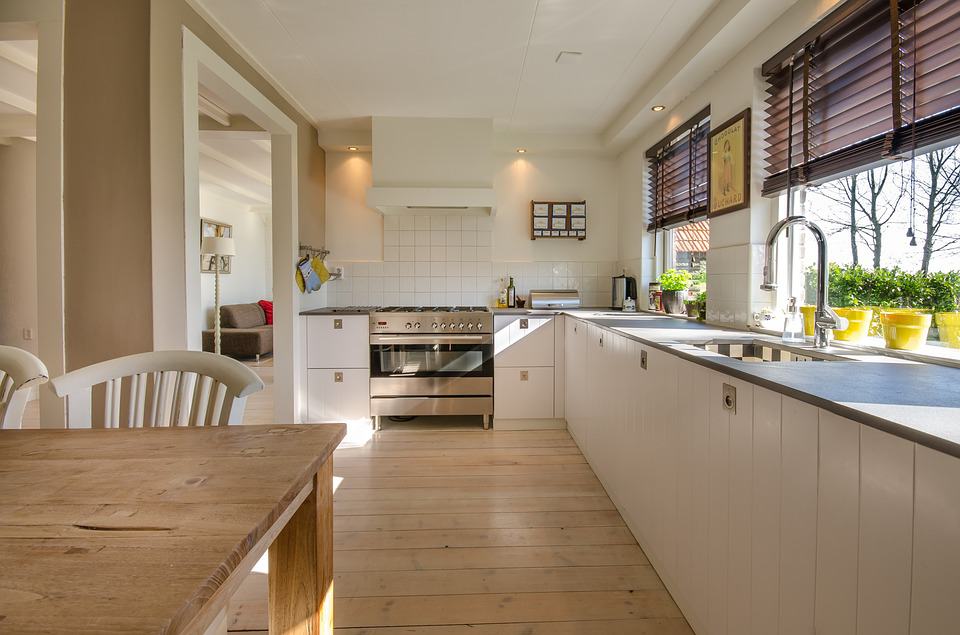
Are you looking to maximize the space in your kitchen while maintaining an open design? You may want to consider an L-shaped design when you’re remodeling your kitchen. This is one of the most popular kitchen designs today because this type of layout offers many advantages, especially for homeowners who are looking for an open design that maximizes space.
We will use this blog to review the main characteristics of this kitchen style, explain its advantages and disadvantages, and compare L-shaped designs to other kitchen layouts. We’ll even provide some ideas and information about how to design the kitchen of your dreams. By the time you finish reading, you will be an L-shape expert.
L-Shaped Kitchen 101: What is it?
As the name suggests, an L-shaped kitchen is in the shape of the letter L. Generally, this type of kitchen layout will feature appliances for cooking and cleaning on one side of the L and space for storage on the other.
In order to support this design, you must have at least one wall. This wall will include cabinets and other important kitchen features such as the sink and stove. This section makes up one side of the L.
As for the other side, the adjacent wall or half-wall will feature counter space, which allows you to spread out your workspace while you’re cooking and baking. In some cases, this side of the kitchen will be open to the living room or dining room. This means that there are no overhead kitchen cabinets. Many people love this design because it creates the illusion of having more space and keeps the kitchen from feeling closed off.
Many L-shaped kitchens will also incorporate an island into the design. This feature provides extra food preparation and storage space, making it an attractive addition to any kitchen.
Together, all of the basic features of an L-shaped kitchen come together to create a functional and attractive kitchen space that is ideal for cooking, eating, and socializing.
The Advantages of an L-Shaped Kitchen
The design of an L-shaped kitchen allows you to create an open floor plan, which can make it easier to move around your home. It also gives you the option to open your kitchen up to other living areas, including the living room, dining room and breakfast nook. The open flow provides a modern feel and is what many people are seeking in their cooking area and kitchen layouts.
The versatility of L-shape kitchen designs is another benefit. The style lends itself to many different layouts, ranging from ones that are more family-oriented to options that are perfect for entertaining. You can also have entirely different looks for your kitchen, depending on your cabinets, backsplash, appliances, and hardware. From sleek and modern, to cozy and traditional, you can make your kitchen’s interior design your own by selecting the colors, textures, and patterns that appeal to you.
Homeowners who spend a great deal of time cooking praise the L-shaped kitchen for maintaining the valuable kitchen work triangle. Wondering what this mysterious work triangle is? It means that the kitchen arrangement creates an efficient relationship between three of the most critical features in the space: the stove, sink, and refrigerator.
Most of the time, the external wall of an L-shape kitchen design will feature the cooking and cleaning appliances, including the sink. This arrangement is ideal because it is a very efficient way to make the plumbing more accessible – and easier to hide in the cabinets.
Many people also praise the L-shaped kitchen because the area allows them to easily accommodate an island or breakfast bar. This addition can provide more storage, eating space, and room for meal preparation. Not only that, it can be a stylish and aesthetically pleasing option for homeowners.
The Disadvantages of an L-Shaped Kitchen
L-shaped kitchens are known for using two adjacent walls to create the unique and versatile shape. While some of these kitchens place upper and lower cabinets on both sides of the L, some designs only feature lower cabinets and an open countertop.
This type of layout opens up the kitchen to a neighboring room and provides a more-open flow to your home, but it has one distinct disadvantage. You lose the extra storage that is found in the upper cabinets.
Another disadvantage relates to a specific-type of L-shaped kitchen: one with a sink in the kitchen island. Although this layout can make the kitchen more efficient by adding more space for cleaning and food prep, it often requires reconfiguration of the plumbing. Doing this can make your kitchen remodel more expensive, but many homeowners find that the added efficiency is worth the cost.
The amount of counter space can sometimes be a disadvantage in an L-shaped kitchen. The vast countertops may be too much from a visual perspective and take away precious storage space, especially in a smaller kitchen. To solve this problem, you can incorporate hutch-style cabinets on the countertop. Not only does this improve the appearance of the kitchen by breaking up the counter space outside of the kitchen triangle, but it also creates additional storage.
Comparing L-Shaped Kitchens to Other Designs
Before you commit to an L-shaped kitchen in your home, you may be wondering if another layout would be a better fit for you. Here are some other popular kitchen designs and how they compare to the L-shape.
The one-wall kitchen is common in apartments and small homes. It keeps all of the appliances, cabinets, and countertops on one wall. Although this design has everything within reach of the chef, it can be short on counter space because the appliances take up much of the space. However, depending on the size of your space, you may be able to add more countertops by installing an island.
The galley kitchen is one of the most efficient kitchen designs for basic cooking. Named after the kitchen of a ship or airplane, this layout makes excellent use of a small space. In fact, many restaurants and commercial kitchens use this layout, which consists of a long narrow space that includes appliances and countertops.
Although a galley kitchen is perfect for efficiency, it has some disadvantages in a home. It doesn’t allow you to have a dining area in the space and it can limit the cook’s interaction with their guests and family. For people who are fans of the L-shaped kitchen’s open design, this style can feel too confined, even when both sides of it are open.
Another kitchen layout that features an alphabet letter in the name is the U-shaped kitchen. This design is efficient for one cook because it features cabinets, countertops, and appliances on three adjoining kitchen walls. It can be open on the fourth side of the room or closed with another wall.
One of the biggest complaints about the U-shaped kitchen is the lack of room for a dining table and chairs. Although this can be addressed by adding an island in the center of the room, many older kitchens don’t have room for one. Industry guidelines recommend that there be three and a half feet between the kitchen island and the cabinets and appliances. Because older kitchens were not built to include islands, they lack this valuable space.
Questions to Ask When Designing an L-Shaped Kitchen
Installing an L-shaped kitchen can be a great way to maximize the space in your kitchen and improve the appearance of your home. But before you commit to this design, you’ll want to ask yourself a few important questions.
How Will You Use Your Kitchen?
An L-shaped kitchen can meet a wide variety of lifestyles and needs. The layout is perfect for entertaining and households with multiple chefs who will be cooking at the same time. It’s also great for families because children can sit at the kitchen island or counter to do their homework while their parents prepare dinner.
Although this eat-in kitchen is a great option for just about every lifestyle, it’s important to think about how you will be using the room. If you’re passionate about entertaining, you’ll want to create a more open concept, while you should focus on appliances and counter space if you’re a chef. Customizing your kitchen to meet your lifestyle and needs will help you create a space that will make you and your family happy for years to come.
How Big Is Your Space?
An L-shaped design can work in kitchens of most sizes, but the smallest spaces may benefit from another layout. A galley or U-shaped kitchen may be better options to maximize space in a tiny kitchen. But you can sometimes make an L-shape work in a smaller space. You might just have to make some sacrifices. For example, you probably won’t be able to incorporate an island in your L-shape kitchen if your room is on the small side.
How Big Is the Space in the Middle of the Room?
If you have the space and want to include an island in your kitchen, you will want to consider the space in the center of the room. You should think about the size of the area. If it’s on the smaller side, it might be more difficult to include a sink in the center island.
The configuration of the space should also be a consideration. Although most people think of kitchen islands as a square, a rectangular one might be a better way to make the most of the space in your room.
What Are Your Storage Needs?
Each person has unique storage needs. While one may love to use different gadgets in the kitchen – and need somewhere to store all of them, another person may only use the basic essentials when they prepare meals. You should think about how much storage space you need when you’re designing your kitchen. This is especially important if you have many kitchen gadgets and accessories to organize.
If you’re someone who has a wealth of pots and pans, you may want to consider adding a pot rack to free up space in your cabinets. This addition can be functional and attractive over an island in the center of the room. If you’re someone who would prefer to keep your clutter hidden, think about maximizing your wall cabinets. This might mean that you need two full walls in your L-shaped design, but it can make a huge difference from a storage perspective.
Do You Have a Doorway on One of the Walls?
You can still have an L-shaped kitchen, even if one of the walls has a doorway in it. This is a broken L-shape, and it provides a wonderful opportunity to try unique designs. The height of the doorway allows you to add a tall wall of cabinets on one leg of the L. You can also use the break in the L to play with using a variety of materials for your countertops.
In addition to these benefits, you can also use the broken L-shape to create distinct workstations for food preparation, cooking, and cleanup. This is ideal if you have multiple cooks working in the same space.
Do You Have Any Special Considerations?
When you’re remodeling your kitchen, you want it to be right for you. Now is the time to think about what would make your life easier. Are you left-handed? If so, you may want to configure your kitchen differently than a right-handed cook would. Do you or a family member use a wheelchair? If yes, you may want to ask an expert for ways to make your kitchen more accessible. You can make so many modifications to make your kitchen work better for you.
Now that you know the ins and outs of L-shaped kitchens, you will be able to decide whether this layout is the right fit for your home and family.
For more ideas and information about L-shaped kitchen design, check out our blog post on how to make the most of your L-shaped kitchen.
Latest Posts
Affordable Bathroom Remodel Ideas That Look High-End
How to Plan a Kitchen and Bathroom Remodel at the Same Time
Walk-In Showers vs. Bathtubs: What’s Best for Your Home?
Get your in-home free estimate today!
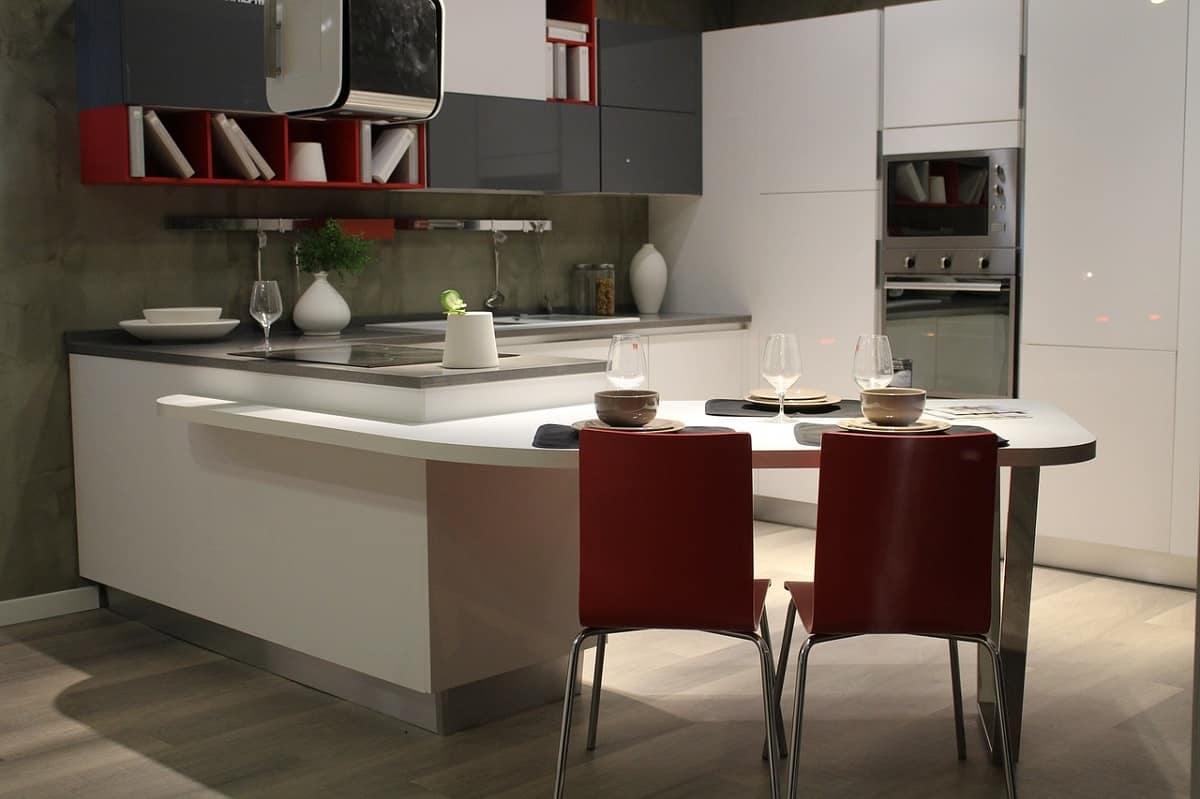
What Is the Average Return on Investment For a Kitchen Remodel?
(858) 413-2305 Request a quoteAre you considering remodeling your kitchen, but not quite sure whether you will recoup the cost? From a homeowner standpoint, remodeling your kitchen is a very rewarding home improvement opportunity. Sure, you will have to make some lifestyle changes while the remodel is underway but the outcome will not only drastically improve the visual appearance of your whole home but improve your quality of life as well. It is up to you to decide your purpose. Most older kitchens will generally need a full remodel to bring it up to date while some kitchens only need a change in cabinets or update in appliances to give it a new sparkle.
Kitchen remodels do the trick better than most room remodels, as far as increasing the value of your home goes. Updated kitchens drastically improve the marketability of your home once it is on the housing market and will give you a good return on investment without a doubt. To make things easier, kitchen remodels can be put into the categories: minor and major. This post will dive into what kind goes into each category and how much return on investment you can expect once everything is said and done. Because all homes are different and so are the neighborhood they are built in, it is important to speak with a professional to determine the average return on investment kitchen remodel for your home in particular.
Minor Remodel
We tend to hear the word remodel and run as fast as we can. Most homeowners have heard horror stories of their friends and family’s remodels either taking much longer than the proposed construction period or costing them much more money than they had ever planned to spend. But this doesn’t have to be the case. The realm of remodels falls on a sliding scale rather than into one large lump category which means that it is up to each individual and their contractor to decide what works for their home, time frame, and budget. Therefore it is important to note that minor kitchen updates are far different than major kitchen remodels.
A minor kitchen remodel includes but is not limited to renovations that fall under the surface level features. Think in terms of a kitchen facelift rather than preparing for major construction. These are generally the least costly, and therefore make your home appear much more updated with very little work.
If you are interested in the numbers behind a minor kitchen renovation, you will be pleased to know that recouping most of your cost is not hard to do. According to This Old House, an average minor kitchen remodel can cost around $14,773 and resell one year later for $13,039. This means that the average return on investment is 87%. So, If you have a tight budget on time and money spent on your kitchen project, consider a minor remodel. So what are some things that can be done to make this happen?
New Cabinets
Cabinets are one of the first things that people notice when they step into your kitchen which is why they are the first things to consider when beginning your renovation process. However, this does not mean you have to tear them out and start from scratch. Having your cabinets painted or stained is a great way to bring them into the 21st century without exhausting your budget, and it will go a long way in terms of ROI. Make sure to plan ahead and match your new cabinets to the rest of your kitchen updates.
On the other hand, some kitchens desperately need new cabinets for various reasons. Whether yours are scratched, chipped, or just too outdated to bring up to speed, you don’t need to fret. Cabinetry can be affordable. For example, stock cabinets generally range in price from $60 to $200 dollars per linear foot while more custom cabinets can range anywhere from $100 to $650 per linear foot.
New Floors
New floors are just about every homeowner’s dream which makes them a good project if the goal is to enjoy your home renovation for the remainder of the time you’re living in it. Although flooring may not be the first place that your mind goes when planning a remodel, it shouldn’t be taken for granite. The goal of putting new flooring is to keep the room looking put together. If you’re on a time and wallet budget, linoleum and vinyl tiles come inexpensively but may not return you any value. Another other option would be to install eco-friendly floors such as bamboo or cork.
New Fixtures
Once you have updated your cabinets and maybe even your floors, new kitchen fixtures take things to the next level in the simplest way. A small change such as updating lights, switches, and even outlet plates can drastically update the appearance of your home and make it seem more put together. However, it is essential to know precisely how every fixture works and will function in your home before purchasing. For example, many home fixtures have been updated in terms of technology and can function as a way to make your daily kitchen life much more manageable. For example, non-touch fixtures are becoming increasingly popular. In this case, make sure that your current kitchen updates can keep up with this technology!
Major Remodel
It is no surprise that a major kitchen remodel comes with a higher price tag, but it is definitely worth it. Major kitchen remodels are one of the best ways to improve the feel of your home because it is arguably one of the most used rooms in the house, and therefore the quickest to become run down. That being said, the return on your investment is not as high as a smaller kitchen remodel. The average cost of a major remodel is approximately $38,769, with a resale value of around $31,344. This means that you will be bringing home an average of 80% return on investment. So, what are some changes that are common in creating a beautiful kitchen in a major remodel?
New appliances
Replacing your old appliances is one of the quickest ways to make your whole space seem updated. If you’re more interested in increasing the marketability of your space to receive a maximum return on investment, then you don’t need to go with the most expensive name brand appliances out there. The idea is to think about appliances that are aesthetically pleasing and functional as possible. Unless you are in the luxury home market, buyers want products that look nice and work well. As a rule of thumb, stainless steel is the way to go. Stainless steel is a universal style that most buyers on the market will appreciate. In terms of adding value, opt for more energy-efficient appliances. These are seen by buyers as a way to save money and will, therefore, help them justify spending more money on a turnkey home in the first place.
New Layout
A new kitchen layout is probably one of the most dramatic changes that can be made during a kitchen remodel, but if it is in your budget it is well worth it! There’s no denying that a solid open floor plan kitchen remodel will leave you with a functional and highly sought after product. Working with a professional with make smooth the process of deciding which layout is best for the style of your home, but there are a couple most popular. For starters, the L-shape kitchen layout is coming back to popularity. The reason for this is its ergonomic status and emphasis on the work triangle which is a main priority in any kitchen. Constructing an L-shape kitchen also ensures that design is functional and traffic is directed away from working areas while supporting an open concept plan.
Open Concept
Open concept kitchens have become increasingly popular in recent years, and it’s no wonder why: they do a great job of creating space, improving functionality and flow, and generally enhancing and modernizing the aesthetic of any old home. In the 1900’s open concept homes kitchens were unheard of, which is why older homes are seen in a multi-room style where every single room was sectioned off for a purpose. As functionality became a main priority, architects began designing the open concept homes that we see more often today. While there are a wide variety of ways to design and execute an open concept floor plan, perhaps the most popular route is opening up a kitchen to a dining room. It’s easy to understand why so many potential buyers are seeking out homes with kitchens that open up into their dining room space.
Open concept kitchens are seen on the market as great for families. Opening up the space between a kitchen and dining room creates a space for families to bond during preparation and meal times. On the other hand, buyers who are looking for an entertainment space see an open concept design as a great asset to a home as well. The conjoined room is perfect for a larger amount of people to gather without separation and keeps the flow of serving much more fluid. Pro Tip: a new island will work wonders in this design as well.
Island
Now that you have an open concept or L-shaped kitchen, your next step is to consider adding a kitchen island. Kitchen islands are highly sought after by potential buyers because they increase counter space, storage space, enhance the work triangle, and provide more seating area. Potential buyers will see this as an asset that adds value to their prospected home. If you want a wow factor kitchen island, you could be spending upwards of $5,000, but you may not see a high return on investment compared to the price you spent for the improvements. The next step down would be a basic built-in island with stock cabinets that usually starts at $600. The downside to this option is the lack of ability to match your current kitchen style. To get back to the basics, freestanding and rollable worktables generally go for around $200; however, they’re better for personal preference rather than resale value.
Universal Styles
One of the most important things to remember when considering a kitchen remodel with a return on investment in mind is that personal preference should be set aside as far as possible. The best way to increase the value of your remodel is to situate it in a position that the majority of buyers will like. Keeping cabinet, flooring, and backsplashes more neutral and on par with current trends will allow buyers to envision themselves in the home much better. Make sure to do your research so you know which kitchen remodel trends to avoid.
Wrapping up
Although a kitchen remodel is a big project to take on, it is definitely worth it for two main reasons. First, there is nothing more valuable than having one of the most used communal spaces in your home fresh and updated. And second, once it comes time to sell, you will be able to recoup most of the renovation costs. Aside from recouping the cost, an updated kitchen will also help your home sell quicker which means less time and fees for staying on the real estate market. Whatever scale remodel you decide fits your homes needs best, don’t do it alone. Be sure to involve the help of a professional to make sure that you’re getting the best prices for your materials, and the project is finished as quickly as possible.
Latest Posts
Affordable Bathroom Remodel Ideas That Look High-End
How to Plan a Kitchen and Bathroom Remodel at the Same Time
Walk-In Showers vs. Bathtubs: What’s Best for Your Home?
Get your in-home free estimate today!

There are always new trends in the world of remodeling, some of which are more beneficial than others. They each have their advantages and deciding on the right remodel for your kitchen will obviously depend on your lifestyle and your plans for your home.
It’s not hard to spend a lot of money on a remodeling project for your kitchen, but it’s a project that can produce the most return on investment. An impressive kitchen remodel is often one of the main selling points of a home.
Staying updated on what is in demand will help you make the right choices when picking a new style for your kitchen, so you can get the greatest return on investment for your kitchen remodel. Here are some of our top kitchen remodel trends to avoid.
Over-the-range microwave
Installing an over-the-range microwave, that sits above your stove, has been a common practice in kitchen designs as a way to leave your kitchen with more counter space, but now there are more convenient alternatives to keeping your microwave over your stove. Contemporary and trendy kitchen designs keep the microwave in places that are easier to reach by the entire family such as small nooks or within an island, allowing for more accessibility while hopefully maintaining some counter space.
Granite Countertops
Another countertop material that used to be a focal point but isn’t being utilized as much as it used to be is granite. As beautiful as they can be, granite countertops can stain over time and might not be the most cost-effective option if you’re considering changing out your countertops. Although many homeowners still choose to add granite to their kitchen decor, quartz is another common, less expensive alternative. Quartz is a great option for someone that’s hoping for that classic look, but also need a durable surface that can handle the use of an entire family.
No More Brass
Color can be seen as a crucial aspect of your home, including you kitchen and trends in color choices occur just as they do in kitchen layouts and designs. One kitchen color that is losing its appeal is the bright brass coloring that was once a very sought-after look. There are so many choices when it comes to picking a color theme for your kitchen, avoiding what was once a desirable style still leaves plenty of attractive alternatives such as other metals that will give your kitchen a more modern feel. Changing up the color of your kitchen hardware from brass to a more fashionable color is a reasonably simple undertaking and you can usually complete this type of project without breaking the bank.
Open Shelving Vs. Closed Cabinets
Open shelving has long been a popular choice during a kitchen remodel and can provide great opportunities to put your cookbooks and colorful dinnerware on display, but choosing this might not be the most functional or convenient choice during your next kitchen renovation. Open shelving is still a favored look, but closed cabinets can help keep fragile and precious valuable safe while leaving more room for storage. You might not always want to put your kitchenware on display which leaves you with an obvious choice when it comes to kitchen cabinets. No matter whether you go for open or closed shelves, you probably won’t have to worry about whether your choice will maintain its appeal, as both of these cabinet layouts are still common in kitchen remodels.
Rustic Wood Look
While this once desirable and holistic look is alluring, this theme may not stand the test of time as you might hope, especially if your planning to put your house on the market sometime soon. The wooden finish may give you just the natural and calming effect you’ve been hoping for but, It seems that this color-theme can be very hit or miss when it comes to finding a buyer for your home. You may even decide that you’re tired or bored with your design which is why adding wooden items to your kitchen might be a smart alternative to installing wood all over your kitchen. A simple way to mock this look is by adding cork flooring into your kitchen plan. For more information about flooring, check out our blog about choosing the best kitchen flooring options.
Brightly Colored Appliances
One of the more unique trends in kitchen coloring and design is the use of brightly colored, appliances or those that contrast the general look of your kitchen. Adding some colorful appliances to your kitchen is an easy way to spice things up, but before you invest in those larger appliances, such as a magenta stove, think about how you’ll feel about it in a few years and whether magenta is really your favorite color–your prospective buyer or your in-laws might not agree.
Hanging Pot Racks
It used to give you the feeling that there was some real cooking going on in the kitchen and also saved you plenty of room, but now a hanging pot rack might be viewed by many as an eyesore. These days, most people are choosing to hide their pots and pans in drawers and cupboards to maintain a neat look. Unless you spend your night furiously cooking up dishes that require you to be able to pull pots and pans quickly out of the air, we suggest simply storing your cooking tools inside the island rather than above it. Check out our kitchen island design ideas for inspiration!
No More Kitchen Desks
Who knew that so many people were trying to eat and get work done at the same time in the same place. The kitchen desk became an interesting element to include in your kitchen, especially if you enjoyed reading the paper with your breakfast, but now people are ready to simply enjoy their meals and save work for another room in the house. Although a kitchen desk might seem like a good use of space, they can end up becoming the perfect spot to store whatever is in your hand at that moment leading to a desk buried in stuff and a significant loss of kitchen space. Not that many people are trying to work at their kitchen counters anymore, so foregoing the kitchen desk during your kitchen remodel is probably a solid choice.
Leave the Farmhouse Sinks to the Farmhouses
If you’ve ever wanted to live on a farm, but you weren’t sure if how you’d adjust, then installing a farmhouse sink might be a way for you to get a feel for the lifestyle, but when it comes to your kitchen remodel, you’ll probably want to steer clear of this kitchen trend. There are plenty of more contemporary looks that can give you a similar rustic feel, but provide your kitchen with more practicality and long-term value.
Tiled Countertops
Tiled countertops were once a very fashionable look for kitchens around the country. Now they seem to give the feeling of existing in a bygone era not to mention they are a pain to clean. Who likes scrubbing the grout in between tiles trying to bring back the original color? Not many people, which is why it’s a good idea to explore other countertop options, such as granite, quartz or stainless steel.
While we’re on the subject of tiling, another kitchen trend that has lost its demand is the small and minimal backsplashes that some people have been utilizing in their kitchen designs and using tile, in this case, might be your solution. There is an abundance of choices when it comes to choosing a tile for your backsplash and going with a tiled surface behind your sink will give you an opportunity to add some color to your kitchen.
Forget Faux Finishes
This once edgy and stylish look is not as common in contemporary kitchens for various reasons. This type of finish provides a very specific look that future buyers might find unattractive, not to mention, it is not an easy treatment to apply during a kitchen renovation. There’s a multitude of other colors and treatments that will help you maintain a modern look throughout your home and provide visitors and buyers with a more welcoming feel.
Windows Without Curtains
Another kitchen design trend that has come and gone many times is the inclusion of window curtains and shades in the kitchen. For some time now, a common practice has been to abandon curtains for a more simplistic look that provides plenty of natural light. The problem with this trend is that you have no choice in the amount of light coming into your kitchen or the amount of privacy you have when you’re in the room. It seems that people are remembering why they first installed curtains on their kitchen windows and this is becoming the new trend.
Distressed Cabinets
If you trying to decide on a color or finish for your cabinets, you should know that distressed cabinets are no longer a go-to in most contemporary kitchen designs. Although this style of finish was once very popular, most people don’t feel that this look is keeping up with modern kitchen themes. There are plenty of other options out there when choosing a finish for your cabinets and bold colors for cabinets are becoming more of a trend these days.
Trendy Alternatives
Now that we’ve covered some of the trends that should be avoided during kitchen renovations, here are some contemporary suggestions that will keep your kitchen looking stylish and inviting and help you steer clear of bad kitchen designs. An entire kitchen remodel can be costly and end up taking more time than planned, but there are certainly a few cost-effective things you can do to spruce up your kitchen’s design and maintain the value of your home.
Add Some Color
A fresh coat of paint in your kitchen is one of the simplest ways to update your kitchen and can really change up the entire feel of the area. While all white kitchens have been a popular theme in modern kitchens, many people are now choosing to stylize their kitchen with bold colors. Instead of spending money on big appliances you can add some color by simply purchasing a toaster or teapot that brings your favorite color into your kitchen.
Wooden Cabinets
Another one of the infamous kitchen design trends that has gone in and out of style, but always sticks around is wooden cabinetry. There are numerous options when it comes to the style and stain of your cabinets and they are easy to repaint if you grow tired of the original color. Many homeowners are choosing cabinetry with an unfinished look that differs from the traditional wooden cabinets we’ve seen in the past.
Lighting
Changing the lighting setup in your kitchen might seem like an overwhelming undertaking but can be worth the effort if you’re hoping to revamp the feel of your kitchen and your home. Today, most modern home designers are implementing asymmetrical lighting into their kitchen plans. It’s a way to add some action and edge to your kitchen and will allow you to emphasize different spaces in your kitchen.
Wrapping Up
Kitchen trends can change very quickly and the theme for your kitchen will ultimately depend on your own taste. If you’re ever in any doubt, minimalism and neutral colors are common themes throughout home designs today and will be safe bets if your thinking about redesigning your kitchen space.
Don’t forget to do your homework on surviving a kitchen remodel if you’re planning to remodel your kitchen for an eventual sale. The region that you live in, as well as your neighborhood, are things that will affect what is trendy and what is out. Some of the trends that are listed above are likely to come back into style so keep your eyes and ears open. While you’ll want to keep these kitchen remodeling trends in mind if you plan to put your home on the market, you may decide you still enjoy the look of a less popular trend. You might end up finding someone that appreciates a specific look and feel just as much as you.
Latest Posts
Affordable Bathroom Remodel Ideas That Look High-End
How to Plan a Kitchen and Bathroom Remodel at the Same Time
Walk-In Showers vs. Bathtubs: What’s Best for Your Home?
Get your in-home free estimate today!
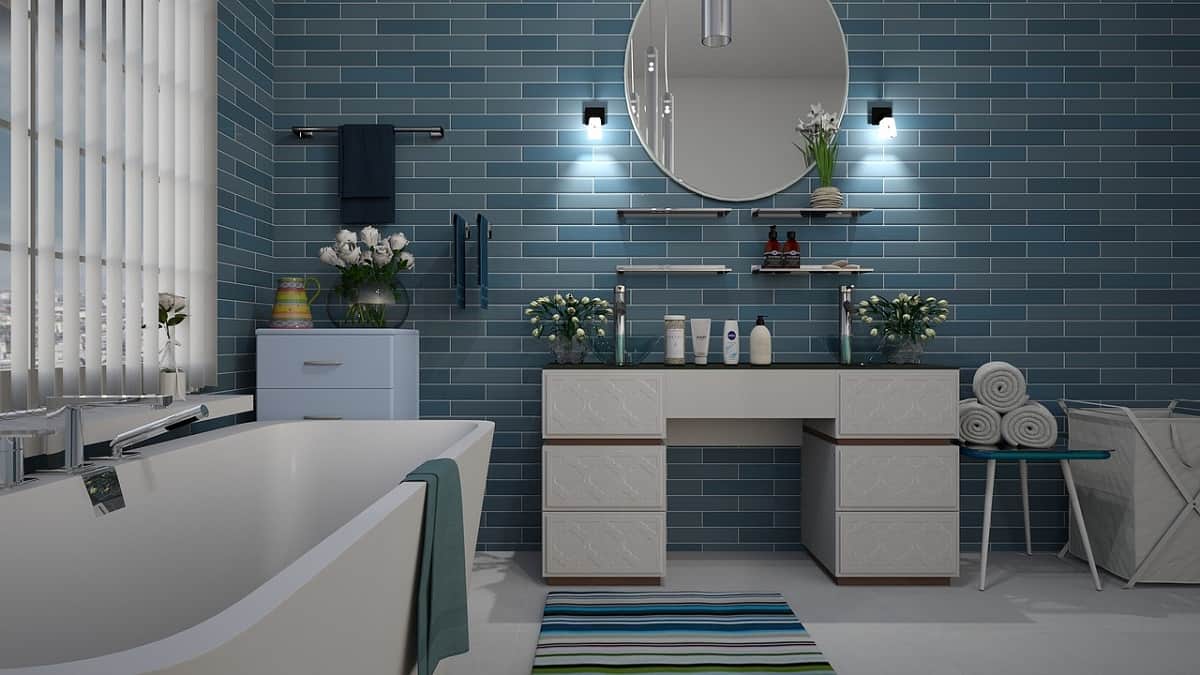
Remodeling any part of your home can be a scary, overwhelming, and frustrating experience. If you’ve remodeled before and had a poor experience, you might be afraid of starting another (what seems to be) never-ending remodeling project (or “nightmare”). You may be saying, “Never again!” Or, you are at the point where you walk into your bathroom and see the outdated fixtures and cracked tile in the shower, and think to yourself, “I want to re-do this entire bathroom, but I have no idea where to start!” and then continue on your way with your old-fashioned style. There’s also those of us that look to hiring an interior designer and remodel crew to come into our home, give us an idea of what it could look like, and sign away, allowing them to freshen up our place. This could be the best decision you make during your entire remodel process. At Remodel Works, we offer free quotes for your San Diego County remodel. Let us help you every step of the way during your remodel. Request a quote today.
Getting started is sometimes the hardest step, but with the right information, it can be the easiest part (and the most fun)! This is the time that you get to be creative and let your imagination flow! Your possibilities are endless. Lucky for you, we’ve compiled information on the most popular trends and styles. All you need to do is pick which trends call out to you and match your personal style. After you’ve planned, everything is a breeze. If problems arise or you want to change something that you initially planned for, head back to the drawing board and re-evaluate your options. All of these practices together will give you the easy, stress-free, and fun bathroom remodel you deserve.
Although a bathroom size can range from big (luxury, master bathroom) to small (pocket-size bathroom), the list of things to consider for remodeling one is the same. Some important factors will be the must-haves (toilet, sink), and some will be add-ons to your bathroom area. All of these things are up to you (the creator and designer or your new space). With Remodel Works, we work with you so you can get the best return on investment for your bathroom remodel.
Here is a quick list of things to consider for a bathroom remodel to get your wheels turning (or read here for a more extensive bathroom remodel checklist):
- Toilet (style, color, type of toilet handle/flush)
- Shower (material for the walls, material for the floor, style of fixtures/faucets/shower head, walk-in or with a tub, shower door or none, material for shower curtain)
- Tub (material of tub, connected to shower or stand-alone, jacuzzi tub or basic)
- Sink (material of sink, color, style of faucet/fixtures)
- Flooring (material for the floor, dark or light color, pattern, temperature of the floor)
- Shelving (material of cabinet doors if any, color, open shelving or closed off, how much storage needed)
- Counter (material, how much area for countertop)
- Walls (paint color, or add a material to walls)
- Accessories (bath mat, rug)
- Color Scheme (which colors do you like together, what colors match your style, what colors make you think of a fresh and inviting space)
- Functioning vs. for Show (will the space be used as a functional and practical space, or is it just for show)
- Floor Plan (how could you move things around, toilet, shower, etc.)
- Bathroom size (be realistic about the size of space you have to work with)
- Patterns (which patterns do you like on the floor, walls, shower, etc.)
The list provided may seem like a lot to think about right now, but it is helpful when figuring out your own personal style. If you aren’t really sure what you like (or you like a lot of different styles), then you’re at the right place. By matching different personalities with different styles, textures, and materials, you may just find the perfect remodel ideas to implement in your own home.
Keep in mind, nothing is set in stone. Feel free to mix styles around and create a space that is 100% you. That is of course what this all about…answering your questions about what is trendy this year, and “What’s your ideal bathroom style?” The message I’d like to start you off with is that 2018 is the year for functionality, minimalism, and conservation! You’ll soon come to see what exactly that means in terms of a bathroom remodel.
The Out of Date Duo: Tub and Shower
There’s nothing that saves more room than the combination of a tub and shower. Although it may be convenient and functional, the bathroom remodel trends 2018 are saying otherwise in terms of style. This year, designers have said goodbye to the old-fashioned bulky tubs and showers. If you have little ones at home and/or if you sometimes just want to soak in the tub, go for it! With limited space, it’s hard to separate the tub and shower. By creating a clean and sleek shower and tub combo, your bathroom will stay up-to-date and trendy. Nothing is better than functionality, simplicity, and comfort.
Consider the Floorplan
With so many options of where to lay things out in your bathroom, it is essential that you consider your floor plan during the planning stage of your bathroom remodel. If you are planning to change plumbing, wall placements/support, and other major moves, make sure that the space is thoroughly thought-out and that it works exactly for what you need.
When choosing the best bathroom floorplan (or creating the floor plan, if you’re building the house from the ground up) be sure to create a realistic space. This is where that word “functionality” I’ve been mentioning really comes into play. If you do not have a functional space to move around in and use, you will regret the money spent on the remodel. Do not make the mistake of prioritizing style and looks over the practicality and functionality of the space.
Draw it out! I cannot emphasize this enough. The more you draw out the floorplan you envision for your bathroom space, the better thought-out your ideas will become. I’m a firm believer in seeing it to believe it. If you start moving things around without fully thinking things out (or measuring), you may find yourself in a lot more trouble than when you started the project. Things will not fit, or they will stick out, interfering with your use of the space.
Side note: plumbing is an expensive thing to move around. Once a toilet, shower, sink, or tub are in place, it will be costly to freely move them around. Plan out the space before making any permanent decisions.
Color Trends
If 2018 bathroom remodel trends have taught us anything, it’s that colors are a key factor in making a clean bathroom space. Designers are ditching colors that appear dated (mustard and salmon to name a few) and traditional neutral colors. Beige used to be the go-to color for any home/bath remodel. It needs updating, and too much of it can become boring and tired for a home. Colors that are too extreme can also make it hard to sell your home, as interested buyers see the color and are immediately unattracted. These types of colors also make it hard to easily upgrade the style of a bathroom without painting the walls.
All-Dark
When looking for a color that matches the feeling of a fresh, new, clean space, go for something rich and bold. That being said, do not (and I emphasize do not) paint every wall a deep red, or make the entire bathroom navy blue. This will make the bathroom feel like a dark hole.
To create a space that feels open and inviting, paint all of the walls white except for one — make this wall the rich and bold colored one. This creates an accent wall and compliments the other touches of color in the bathroom (possibly a vintage rug). You’d be surprised with how far a single colored wall can go in terms of making your bathroom welcoming and complete. By keeping most of the room white, the bathroom will feel lighter and more spacious.
All-White
Similar to my advice about not overdoing it with the “all red” or “all navy blue” walls, don’t get carried away with white paint and fixtures either. Although all-white makes the room look very open and clean, it can experience more noticeable wear-and-tear over time. With all-white, it is easy to see stains and dirty much better too.
Simple Shades
For a simple and clean looking bathroom, olive green and a soft-blue green are great colors to put off a happy and revitalizing feelings. These colors aren’t extreme (not a bold and rich colored accent wall), but aren’t a boring and dull neutral either. They are colors that go well with clean surfaces and different accessories, so you won’t get tired of it and have to paint in the next year or so. This color scheme is normal for a traditional bathroom. It provides simple color shades and clean lines for the whole bathroom. There’s no crazy fixtures or accents here; simply simplicity, functionality, and freshness.
Shower Design
In terms of your shower design, you can go any way you want. Read more here for Shower Design 101.
For maximum functionality, a shower and bathtub combo would be your go-to choice; however, if you don’t need a bathtub, go for a trendy shower! Walk-in shower benefits are amazing and definitely worth noting for making your final decision on the shower type you choose.
Showers with metal frames are a new hit in 2018. The frames make the shower look window-like and create a bathroom that looks and feels much bigger than it really is. The metal on the frames also adds a touch of the rustic and industrial style.
A simple glass wall is another trendy idea for separating a shower from the rest of the bathroom. This design can be taken in various directions such as a modern approach, European style, or simply a clean and sleek layout. Whatever you decide to do with the glass, it is guaranteed to make things feel more open and functional.
Although people steer away from hanging shower curtains, they are not out of style. They are functional, practical, and can sometimes even brighten up your bathroom. Get a color that compliments the colors in your bathroom. If your bathroom is mostly white and you want to add a dash of brightness, get a shower curtain with a fun design or pattern. If you want a clean and simple look, go for white. Shower curtains are made in all sorts of textures (plastic, cotton, cloth, etc.), so your options are endless. If you’re unsure about a few different colors and/or designs when looking at them in the store, bring them home and hang each of them up! Compare, see which one you like best, and return those you don’t! It’s as simple as that.
Tile Patterns
Popularity for the chevron tile pattern peaked in 2016 and carried over to 2017, but it started to drop in 2017 and continues its downfall as I write. Although it was the hottest new trend not too long ago, it is now seen as old school—especially when the chevron pattern is on the wall. As you will read more in the flooring section, patterns are transitioning from walls to floors, as floors are becoming the main accent piece of a room.
Different patterns of the same color used together can create a fun and inviting space as well. Although for some people it may be too busy to have four or five different patterns going on next to each other, it’s a trend growing in popularity and it works for those with a minimalist style.
Ceramic tiles and textures are the new big hit for remodeling! With the capability of looking like almost anything (literally everything including granite, marble, slate, and wood), ceramic stands as an affordable option that people need to take advantage of now! Ceramic textures are also much easier to maintain than other textures such as marble and wood. They allow you to enjoy high-quality results without the high cost.
Honeycomb tile has been around for a few years, but is still trendy, as it gives the impression of a much larger area (making small spaces look bigger). If you have a narrow bathroom, this is a great tile to use for the ground, as it makes the space look a little wider. By adding brass fixtures/faucets and some yellow honey accents, your small space is cute and complete!
Fish-scale pattern is another fun and popular bathroom tile this year. The tile has a scalloped shape, making it look like goldfish scales. This pattern could be a fun one to use as an accent shower wall.
Countertops
Granite was the rave a few years ago and stood its ground as a superior quality material for quite a few years before that. However, granite is losing its popularity as a focal point and for many designers, seems old and dated. The new rave is marble and quartz countertops.
Flooring
The latest trends for flooring are a little all over the place. Almost anything you choose to put on your floor will be in-style (as long as it goes with the rest of the style you have going on).
Wood Flooring
The popularity of wood floors has increased tremendously in the past few years. The trends of 2018 aren’t shying away from the either. Light colored wood, dark colored wood, or somewhere in between seems to be a hit in almost any home.
Although tile is generally the go-to for bathroom floors, wood works just as well for the material of your floors. It also creates a fluid style if the area outside the bathroom has wood floors as well.
Wood floors can achieve a variety of different styles within a bathroom. The following are some trends you can shoot for with wood flooring:
- Natural Materials: By using blonde natural colored wood, you can create a warm, relaxing, and peaceful space that is enjoyable.
- Minimal Rustic: By using a dark wood floor, the space will feel simple, cozy, and homely.
- Industrial: Any type of hardwood flooring can go in an industrial styled bathroom. However, this doesn’t mean that the wood needs to be rough and splintery. Exposed elements (including the wood) in the bathroom can make it industrial, but still functional and comfortable.
- Renewable Materials: For the person who is all about the environment and going green, choose to use bamboo floors! They provide amazing durability and are an excellent renewable resource.
Tile Flooring
For many years, tile has been the go-to choice for the cleanest and most durable bathroom floor. There isn’t much to argue about when the tile is easily kept clean and looks sleek. Certain styles of tile are no longer trendy, while some are taking off with their popularity. Here’s the scoop on the newest tile trends to hold on to, and those to leave behind.
A popular trend has been a matte finish over the once popular glossy tile bathroom floors. The dull-look from the matte finish brings warmth to the bathroom with its soft textures, giving it a smooth and comfortable look. This style of tile ties into a minimalistic bathroom design with a natural feel—a trend that is also heavily influencing interior design.
Terra-cotta styled tiling is also a favored tile choice. Similar to the matte finish, terra-cotta tile isn’t glossy either. Whether laid out on the floor as square tiles or arranged in various shapes to create a pattern, terracotta tiles brownish-red-orange color gives it an earthy look that expresses a more organic and natural feel as well.
More recently, tile patterns have become the main accent for an entire room/space. It’s a popular trend that continues to take off and gain more approval. With a pattern on just the floor, and light colored walls (i.e. white) or an accent wall to create a two-toned effect, a minimalist approach can be achieved. (more about patterns in pattern section)
Accent Rugs
Accessories to decorate bathrooms have taken a complete 180-degree turn from what they used to be. Instead of the basic bath mat that matches under the sink and around the toilet, designers are going for authentic and vintage rugs. The goal here is to promote elegance but keep the bathroom simple as well. Vintage rugs provide a dash of color and pattern, which helps dress up a simplistic and clean approach to a bathroom.
When planning out your floor plan and choosing the shower bathtub, consider the size and style of your accent rug if you want it to fit into the layout. However, don’t plan your entire bathroom around a rug. Although it does sound silly, it happens. Keep an open mind to it all. There is a huge variety of vintage rugs and they each offer their own unique style. Choose a few different styles and sizes and see which works best for your space.
Storage
Functionality and practicality call for storage! A common misconception about storage is that it’s ugly…big bulky cabinets that take up bathroom space; however, storage doesn’t have to be ugly. The key here is to find the best spot for storage. Utilize corners that are left empty, tall ceilings that go wasted, and spaces that are below eye-level. This goes for big and small bathrooms. Storage is your best friend…it knows everything about you, but hides it and keeps it safe when visitors come over. So, let’s be honest, we all need our best friend to keep our things hidden.
Accessories
High-tech accessories are always a trendy option, especially in 2018. This includes accessories such as digital temperature settings for your water, which enables you to set your shower at a preferred temperature. This results in a steady flow of water that doesn’t change temperatures during your shower, ultimately saving you money and time spent adjusting and waiting for your desired temperature.
Another high-tech bathroom installation is heated floors. Although they aren’t a necessity for living in San Diego, they sure are nice to walk on in the early mornings of the winter. They automatically heat to a certain temperature, so your tile floors won’t feel so cold, especially during the winter months.
For a consistent refreshing look for your bathroom, add accessories that are mostly white, but don’t be afraid to add a hint of some bold colors, such as green. You can add wooden accessories too, such as bamboo accessories.
For a simple and clean looking bathroom, olive green and a soft-blue green are great colors to put off a happy and revitalizing feelings. These colors aren’t extreme (not a bold and rich colored accent wall), but aren’t a boring and dull neutral either. They are colors that go well with clean surfaces and different accessories, so you won’t get tired of it and have to paint in the next year or so. This color scheme is normal for a traditional bathroom. It provides simple color shades and clean lines for the whole bathroom. There’s no crazy fixtures or accents here; simply simplicity, functionality, and freshness.
Accents for a certain feel
Brass and metal finishes are becoming more popular accents. Providing an industrial look, but also a look that could tie in with rustic, traditional, or modern style bathroom, these finishes aren’t likely to go out of style anytime soon.
Mirrors (and glass) are the best accents to make a room feel and look bigger. The reflection has that impact on every room, but for small pocket bathrooms, you can truly feel a difference.
For a bathroom that feels like a spa, aim for lots of open space. Put the tub out in the open, have a marble countertop, and even add a chandelier to create elegance and style.
Modern is a style that varies from person to person, depending on what their definition and linking of modern is. If you want extreme modern, possibly you go for clean lines on all fixtures and faucets, simple and geometrical shapes, a simple color scheme, very few earthy touches, and that’s it. For a mix of modern and vintage, simply add a rustic rug to warm up the room and bring it color.
For all things industrial, have exposed textures and fixtures stand as the accents of the room. Exposed light bulbs and piping are the two most popular things to give an industrial feel. If you want to add a vintage touch to the industrial style, install dark tile or a vintage looking wallpaper to stand as the vintage accent.
Bathroom remodeling trends to avoid include rose and copper finishes. Use of these finishes is declining, as gold, bronze, and silver increase. Although they may only small touches, they can heavily impact the overall look of your bathroom.
Small Pocket Bathroom
You may have what feels like the smallest bathroom on planet earth, and think that there’s no way you can remodel or redesign it to make it more functional and YOU!
Having a window is key in tiny bathrooms. It brings in natural light and makes the space feel breathable and more spacious. To add character and personality, find a tile that has a small pattern on it, and use it as your accent of the space. Keep the space as light and bright as possible. Any rich or dark colors will make the space feel smaller than it is. For a finishing touch, bring in a small plant—it will give life (literally) to the bathroom.
Large Master Bathroom
You may have what feels like the biggest bathroom on planet earth, and that you could fit a king sized bed inside of it. Because you have so much space to work with, the planning for your bathroom remodel may be a bit easier. However, too much space may be dangerous as it’s easy to get carried away and go overboard with decorations and fixtures that are unnecessary. Like mentioned before, a minimalistic style and practicality are the important trends of 2018. Stick to this trend, and your master bath will look functional, clean, spacious, and welcoming.
Read more here for 8 Master Bathroom Remodel Ideas For Your Dream Remodel.
Conclusion
As I’m sure you can see, a remodeling project in a bathroom has a ton of nuts and bolts. However, the challenging part isn’t knowing the design trends or styles (if you think this is the challenging part, reread all of the above info), it’s narrowing down your options of what you’ll love most!
Your decisions that need to be made have tons of options, so no need to panic. Knowing all-things needed for a trendy bathroom remodel and having the experts at Remodel Works to help you along the way, we believe you are ready to create a space that is truly functional, practical, clean, and you. Contact us today and get started on your new bathroom remodel.